The state faces a potential nearly $1 billion reroute of the planned California high-speed rail to avoid the César E. Chávez National Monument, based on a 2020 design option. The change — reportedly lobbied for by the César Chávez Foundation — would move the track about 0.75 miles from the monument. Activists and some rail board members have questioned whether the expensive diversion is justified, noting the site already borders an active freight corridor. Overall project cost estimates vary widely, with the authority citing about $125 billion versus some outside figures above $200 billion.
California Weighs $1B High-Speed Rail Reroute To Shield César Chávez Monument Amid Abuse Allegations

California leaders mum on $1B high-speed rail detour aimed at preserving disgraced labor leader's memorial
California taxpayers could face nearly $1 billion in additional costs if the state's planned high-speed rail line is rerouted to avoid the César E. Chávez National Monument, according to a 2020 planning option from the California High-Speed Rail Authority. The design would shift the track roughly three-quarters of a mile from the monument boundary; when adjusted for inflation, the detour was estimated to approach $1 billion.

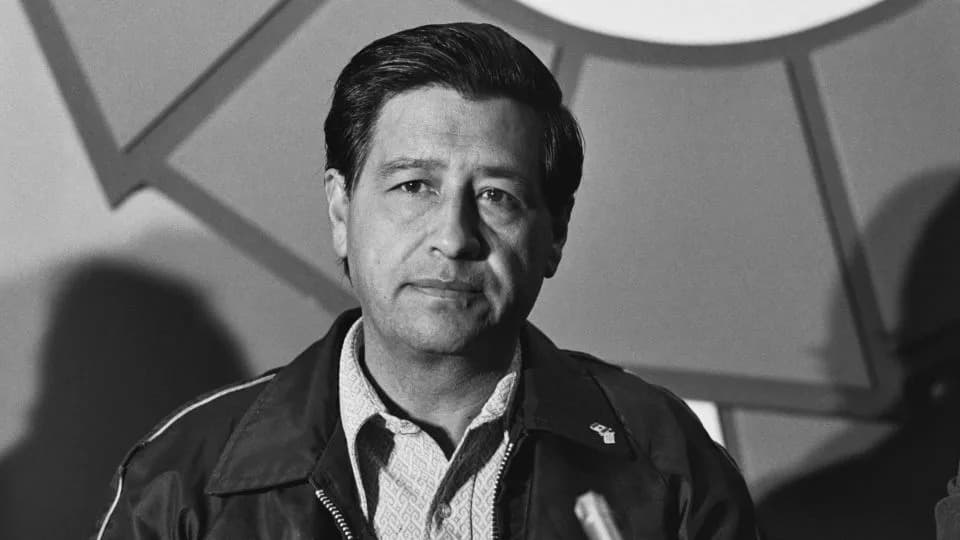
Cesar Chavez, head of the United Farm Workers, makes a point in a press conference in Sacramento.(Getty Images)
What Is Driving The Possible Detour?
The potential reroute has attracted renewed attention after media reports alleging that César Chávez, the late farmworker leader, sexually abused and groomed minors and adults. In the wake of those reports, several universities and institutions in California moved to remove honors for Chávez, and officials considered renaming the state holiday that commemorated him.
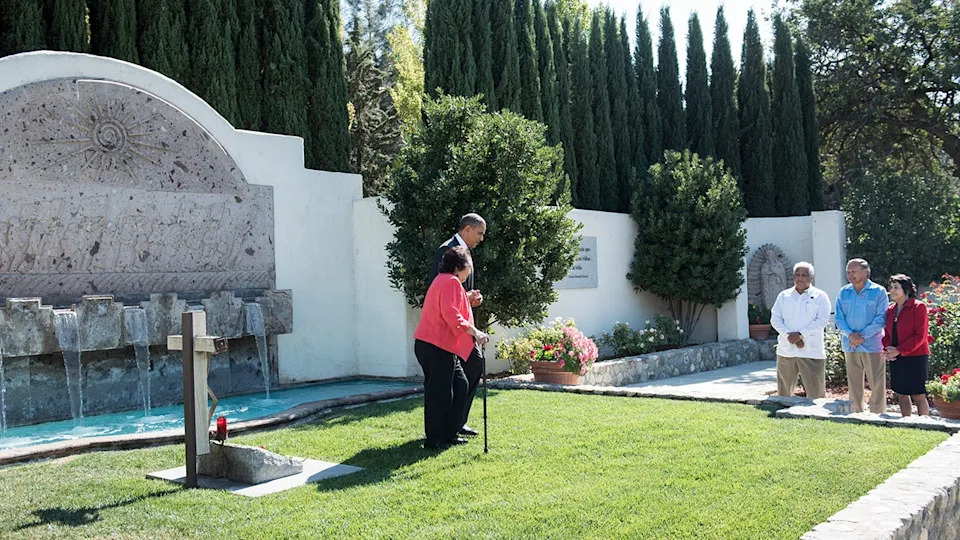
Then-President Barack Obama and Cesar Chavez's late wife walk from Chavez's grave site during a tour of a memorial garden at the Chavez National Monument October 8, 2012, in Keene, California.
Who Pushed For The Route Change?
Reporting in the San Francisco Chronicle says the César Chávez Foundation lobbied for the so-called "Refined César E. Chávez National Monument Design Option," which would move the high-speed rail alignment away from the monument. The monument, managed by the National Park Service, covers roughly 187 acres, includes the graves of Chávez and his wife, and is reported to be the place where he organized his farmworker movement.

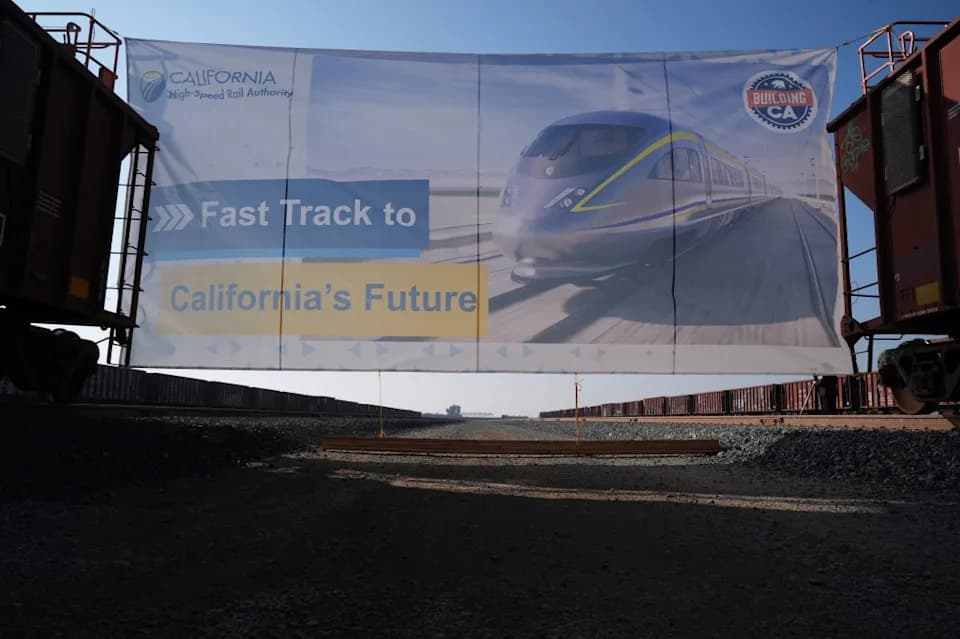
A rendering shows a high-speed rail train as it enters a station during an informational open house by the California High Speed Rail Authority at the Hilton DoubleTree in downtown Fresno, California, on Wednesday, May 1, 2024.
Cost, Context And Criticism
Local activists and rail critics have questioned whether such a costly detour is justified. The monument already borders an active freight corridor with a single track that loops around the site and carries dozens of freight trains daily; visitors have said the existing freight traffic creates a constant rumble.
"This is a billion dollars we don’t have. There are a lot of other things we need," Ernest Camacho, a board director for the California High-Speed Rail Authority, told the San Francisco Chronicle. "If there is a better route, we’re always open." Fellow board member Martha Escutia said she is "always willing to reopen current commitments to ensure we get the best savings for taxpayers."
Estimates for the full high-speed rail program vary widely. Some external figures have placed total costs above $200 billion, while the rail authority has said its internal estimate is closer to $125 billion.
Officials Have Yet To Weigh In
Fox News Digital and other outlets reached out to state leaders, including the office of Governor Gavin Newsom, to ask whether the detour should be reconsidered now that institutions have rescinded honors tied to Chávez. Those offices had not responded by the time of publication.
Why It Matters: The dispute pits historic preservation and community concerns against fiscal responsibility and broader project priorities. Any decision to reroute would have significant budgetary and political consequences as the state continues planning California's high-speed rail network.
Help us improve.