Assimi Goita has assumed the role of Mali's defence minister after former defence minister Sadio Camara was killed in coordinated April 25 attacks blamed on al Qaeda-linked militants and Tuareg separatists. General Oumar Diarra has been named minister delegate for defence while authorities investigate suspected soldier involvement. The attacks sparked fighting across Mali's northern desert and raised concerns that armed groups could consolidate territory and expand strikes beyond the region.
Assimi Goita Takes Personal Control Of Mali's Defence Ministry After Deadly April 25 Attacks
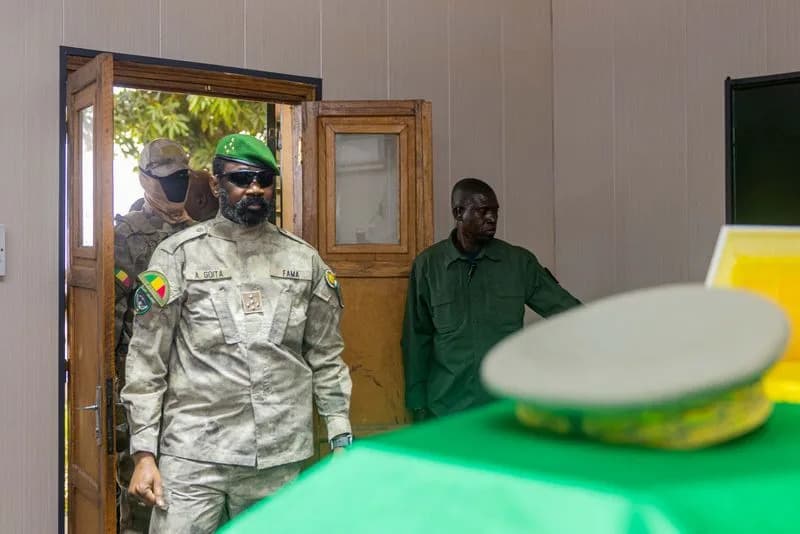
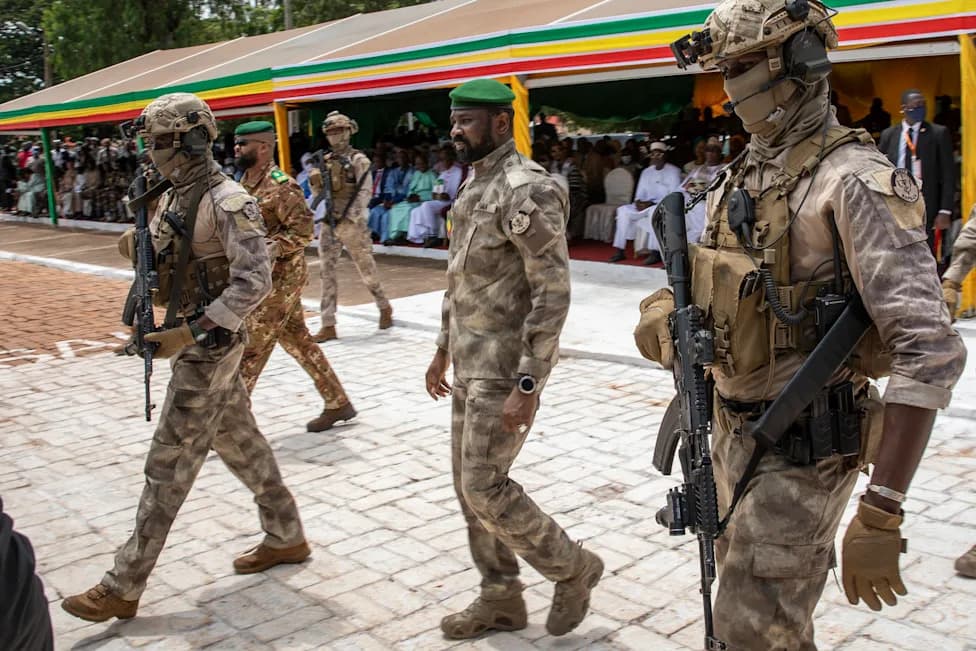
FILE PHOTO: Malian President Assimi Goita attends the state funeral of Defence Minister Sadio Camara, who was killed in a militant attack, in Bamako, Mali, April 30, 2026. Mali Presidency via Facebook /Handout via REUTERS/ File Photo
BAMAKO, May 4 (Reuters) - Assimi Goita, the leader of Mali's ruling military government, has assumed the role of defence minister after the previous officeholder was killed in coordinated attacks on April 25, state television reported on Monday.
The Attacks
The simultaneous assaults on the morning of April 25 were claimed to involve fighters linked to al Qaeda-affiliated groups and Tuareg separatists. Former defence minister Sadio Camara was killed when a vehicle laden with explosives, driven by a suicide attacker, crashed into his residence, the government has said.
New Appointments And Ongoing Probe
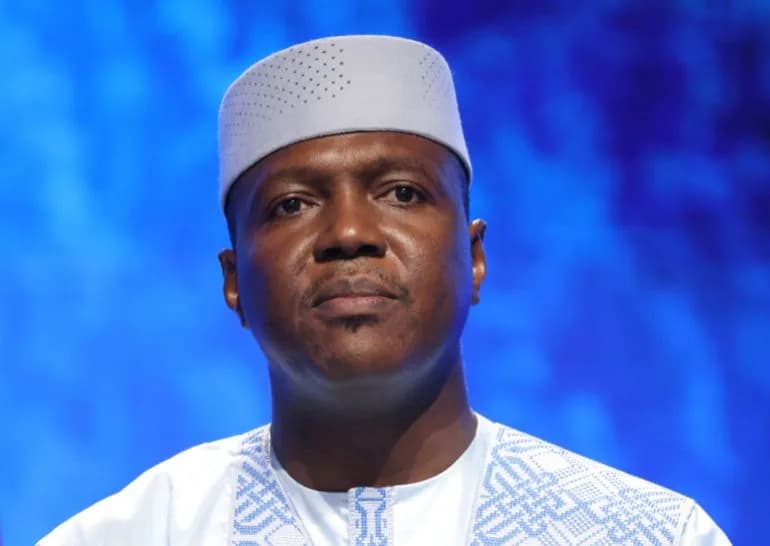
Mali's army chief of staff, General Oumar Diarra, has been named minister delegate for defence. State media described the change as a "strategic decision coming in a security context that remains sensitive." Authorities have launched an investigation into possible involvement of soldiers in the assaults, a judicial official said on Friday.
Security Implications
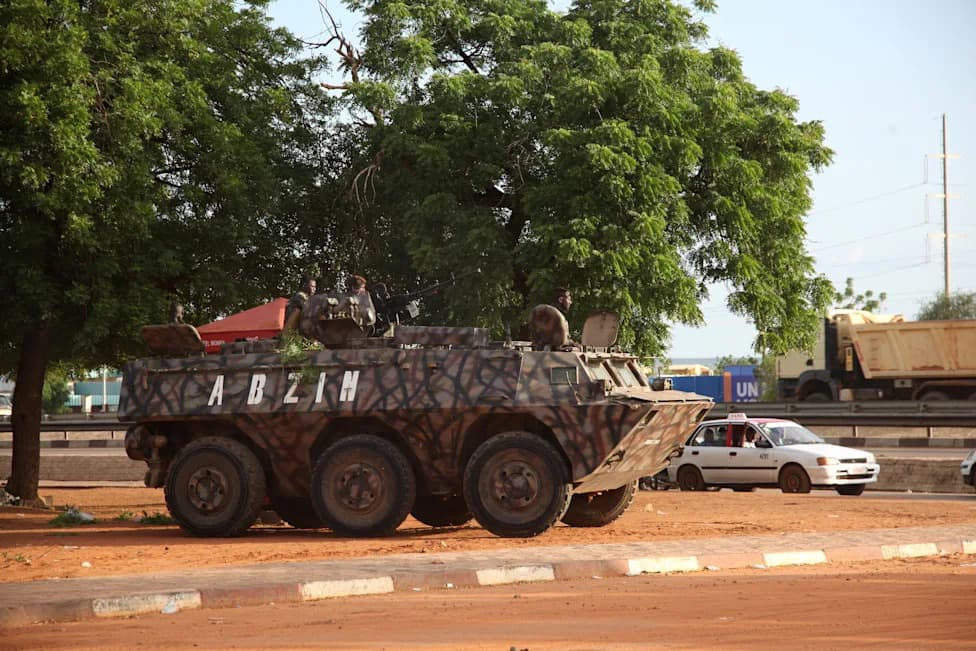
The attacks sparked fighting across Mali's vast northern desert, underscoring how groups with different objectives can co-ordinate strikes against the heart of the military government that seized power after coups in 2020 and 2021. Analysts warn the violence raises the risk of territorial gains by armed groups and the potential for attacks to spill into neighbouring countries.
Context
Camara had been a key figure in strengthening ties with Russia, a relationship that played a significant role in Mali's recent security and foreign policy orientation. The developments mark a turbulent moment for a government already facing domestic unrest and regional security pressures.
Reporting by Mali newsroom; Writing by Robbie Corey-Boulet; Editing by Aidan Lewis.
Help us improve.