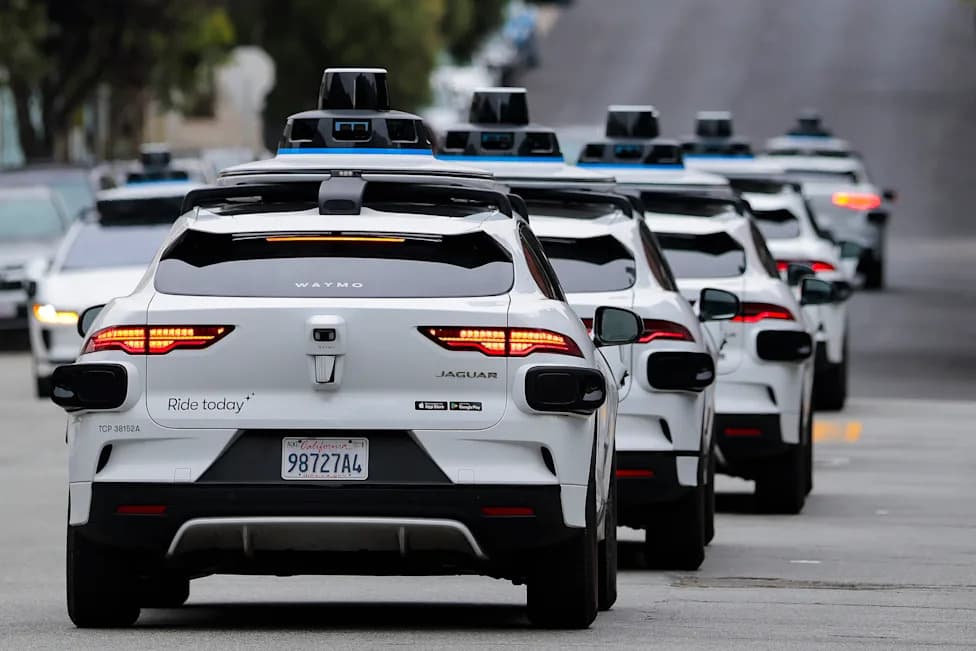
To grasp the scale of U.S. road deaths, imagine a Major League ballpark: LoanDepot Park, home of the Miami Marlins, seats about 36,742 people — roughly the number of Americans who die in traffic crashes in a typical year. That stark comparison frames a central argument in the debate over automated vehicles (A.V.s): if technology can substantially reduce crashes, getting the rules right matters in human lives.
Two Competing Bills, Two Different Approaches
Congress is considering two rival frameworks for A.V. regulation. One, the SELF DRIVE Act, would create the first comprehensive federal statute on automated driving safety. The other, the Stay in Your Lane Act, would require manufacturers to define and honor an operational design domain (ODD) that limits where and under what conditions a system can operate.
What the SELF DRIVE Act Would Do
The SELF DRIVE Act requires manufacturers to prepare a "safety case" — a structured, evidence-based argument that a system does not pose an unreasonable accident risk — and relies on manufacturer self-certification. It would also raise the current testing cap from 2,500 exempted vehicles per manufacturer per year to as many as 90,000, and allow companies to earn revenue from freight and passenger services during the testing phase. Supporters argue these changes speed deployment, promote U.S. competitiveness, and save lives sooner.
What the Stay in Your Lane Act Would Do
The Stay in Your Lane Act emphasizes constrained, well-defined operation: manufacturers must define an ODD, and systems would be prohibited from functioning outside it. The bill is pitched as a straightforward safety measure that prevents systems from being deployed in conditions they were not designed to handle.
Politics, Interests, And The 'Bootleggers And Baptists' Dynamic
Economist Bruce Yandle’s "bootleggers and Baptists" framework helps explain the coalitions forming around these bills. "Baptists" provide moral authority for regulation while "bootleggers" — commercial players — back rules that benefit their market position. In this debate, each bill assembles its own mix of high-minded advocates and industry actors, and much of the argument operates as political positioning rather than direct engagement with the available evidence.
The SELF DRIVE Act has attracted unanimous support from many incumbent A.V. companies that already have the scale and regulatory teams to benefit from higher testing caps and self-certification. The Stay in Your Lane Act is backed by consumer-safety groups that emphasize limiting systems to clearly safe environments, a position that aligns with how some Level 4 operators already work.
Where The Evidence Fits In — And Where It’s Missing
Important empirical gaps make rigorous comparison difficult. NHTSA requires manufacturers to report certain incidents, but not fleet sizes or miles driven. Without mileage denominators, per-mile crash rates cannot be calculated from public incident counts alone — we see raw crash counts but not exposure-adjusted risk rates.
At the same time, peer-reviewed and industry studies exist and deserve attention. Waymo published a crash-rate analysis in Traffic Injury Prevention reporting an 80% reduction in any-injury crashes and a 55% reduction in police-reported crashes versus human-driver baselines across 7.1 million rider-only miles. A Swiss Re–Waymo paper in Heliyon reported a 76% reduction in property-damage-liability claims and zero bodily-injury claims over 3.8 million miles compared with a Swiss Re baseline. Critics correctly point out that the crash-rate study’s authors were Waymo employees and that independent replication is limited; those caveats matter, but they do not negate the findings and should be addressed directly in policy debate.
Consumer-safety groups have focused on procedural problems such as self-certification and lack of independent verification rather than publicly disputing the peer-reviewed Waymo results. That posture suggests a primarily institutional critique rather than a strictly empirical one.
Technical Asymmetry: Level 2 Versus Level 4
Automated systems are classified with the SAE levels. Level 2 systems (commonly labeled ADAS) assist drivers with tasks like lane keeping and adaptive cruise control but require an attentive human ready to intervene. Level 4 systems can operate without human supervision—but typically only within a defined ODD (geofenced areas, mapped routes, or limited environmental conditions).
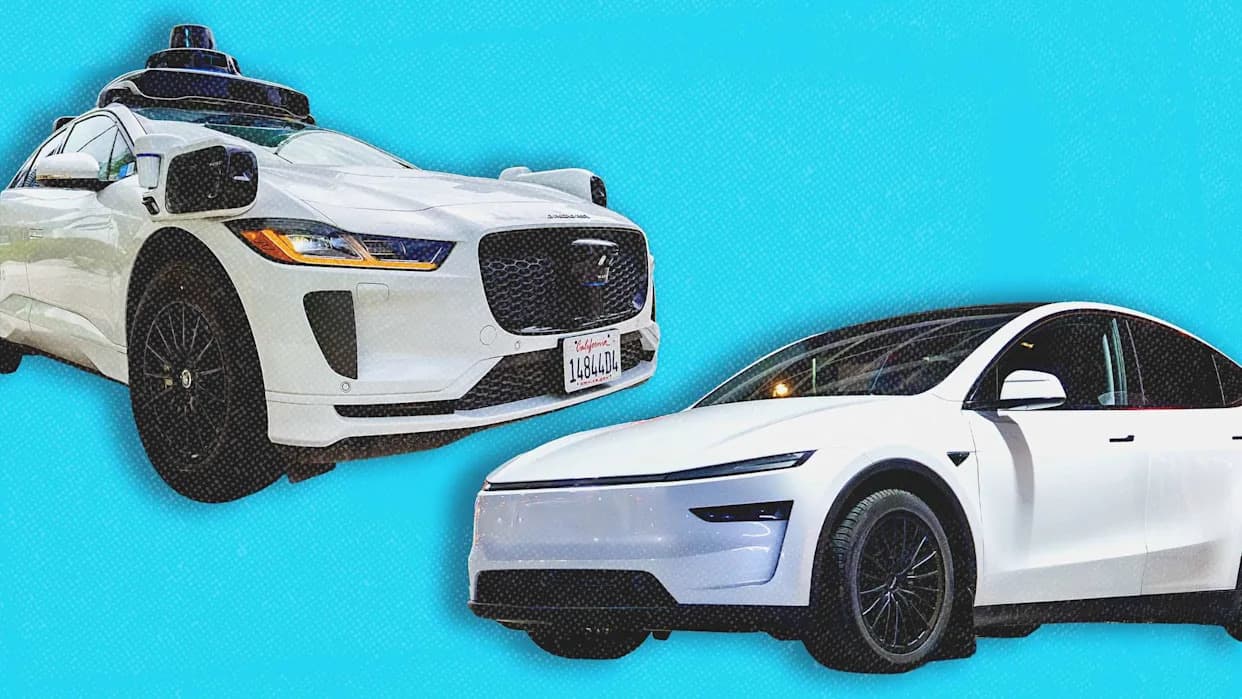
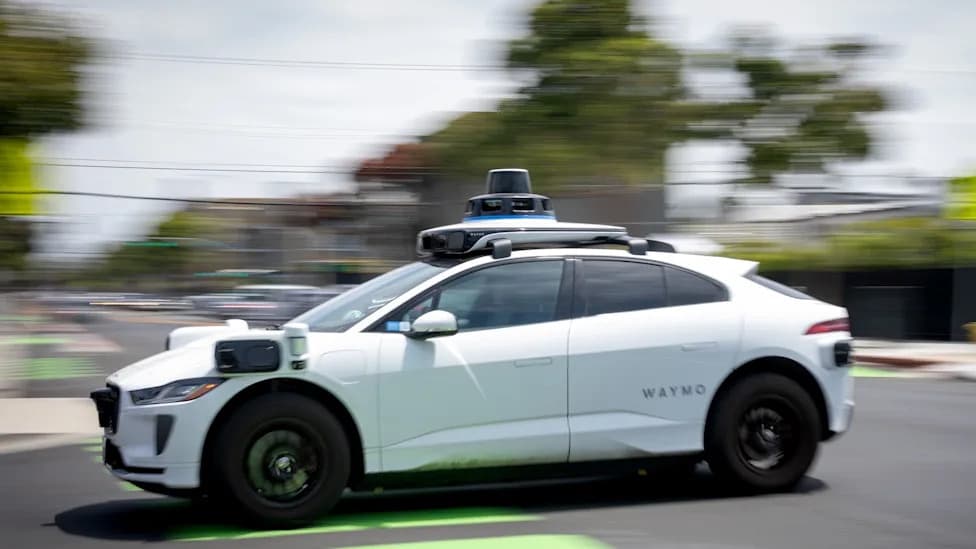
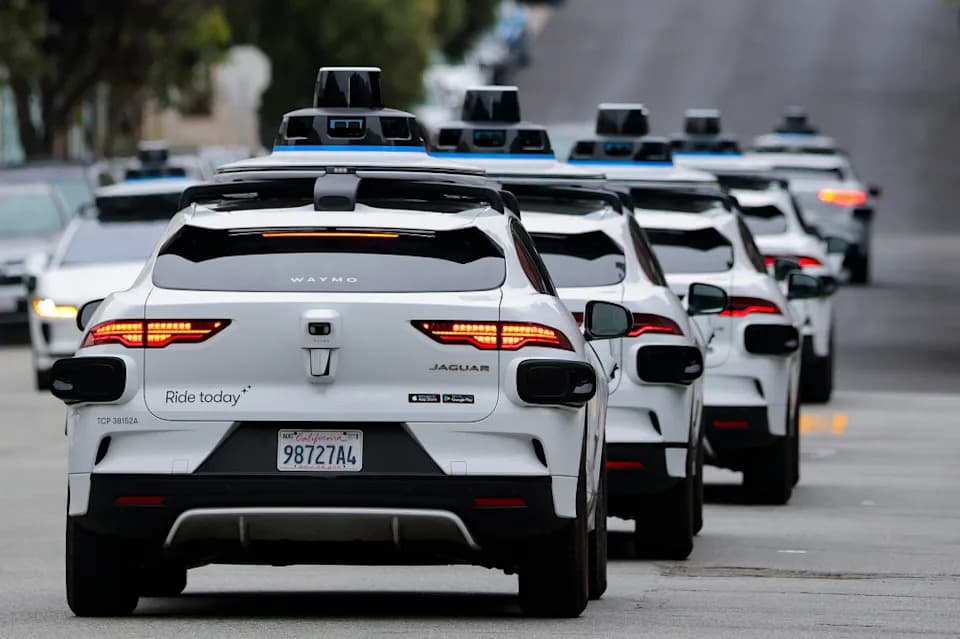
Most reported incidents today involve Level 2 systems in large part because systems such as Tesla’s ADAS are deployed at scale across the open road network. Conversely, companies like Waymo operate Level 4 fleets within tight ODDs and report systematically. The Stay in Your Lane Act would codify ODD requirements that align with how many Level 4 providers already operate, which would be less disruptive for them than for firms whose business model emphasizes broad deployment.
A Practical, Evidence-Driven Path Forward
An ideal regulatory outcome would combine three elements: a single federal baseline to prevent 34 divergent state regimes from calcifying; mandatory independent verification of manufacturer safety cases; and clear statutory recognition of the distinction between Level 2 and Level 4 operations with corresponding rules (ODD requirements, reporting standards, and exposure metrics).
Absent that ideal compromise, the practical choice is between two imperfect options. The SELF DRIVE Act creates the comprehensive federal framework necessary to harmonize rules nationwide and is amendable through agency rulemaking — making it a pragmatic platform to improve. But a stronger law would remove unchecked self-certification, require independent third-party or NHTSA verification of safety claims, mandate reporting of fleets and miles to enable per-mile safety metrics, limit the scope of testing exemptions and revenue-generating activities, and include protections for affected workers.
Bottom line: Policy should be driven by transparent evidence, not only by political alignments. Congress should use the current bills as a prompt to require independent verification, robust exposure reporting, and a clear Level 2/Level 4 legal distinction so that life-saving benefits are realized while risks are managed.
Getting these rules right matters: roughly a baseball-stadium’s worth of Americans die on the road every year, and better policy can accelerate deployment of technologies that demonstrably reduce crashes while safeguarding public accountability.