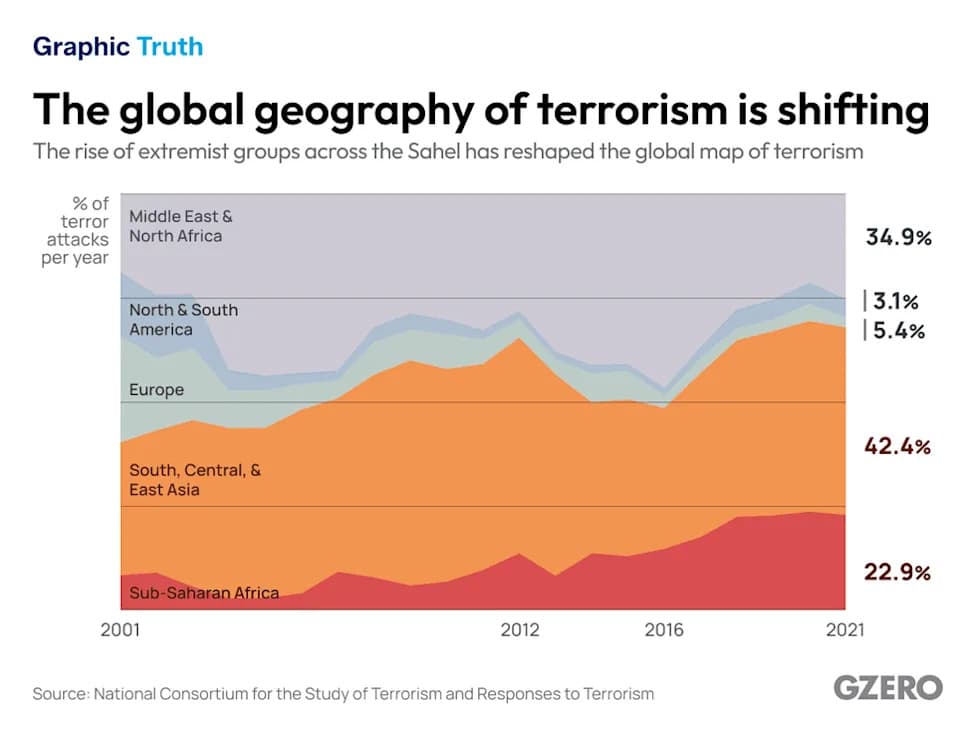
The coordinated jihadist and Tuareg assault that killed Mali’s defence minister and prompted a Russian pullback has exposed the Moscow-backed junta’s fragility. Fuel-price shocks from the Middle East will deepen Mali’s economic pain and likely drive more migration to neighbouring West African states and Europe. The Russian withdrawal risks creating ungoverned northern areas where jihadists and traffickers can expand, so European governments should prepare for increased migration and wider security fallout.
Why the Sahel Crisis Matters to Europe: Mali’s Collapse Could Trigger Migration and Regional Instability
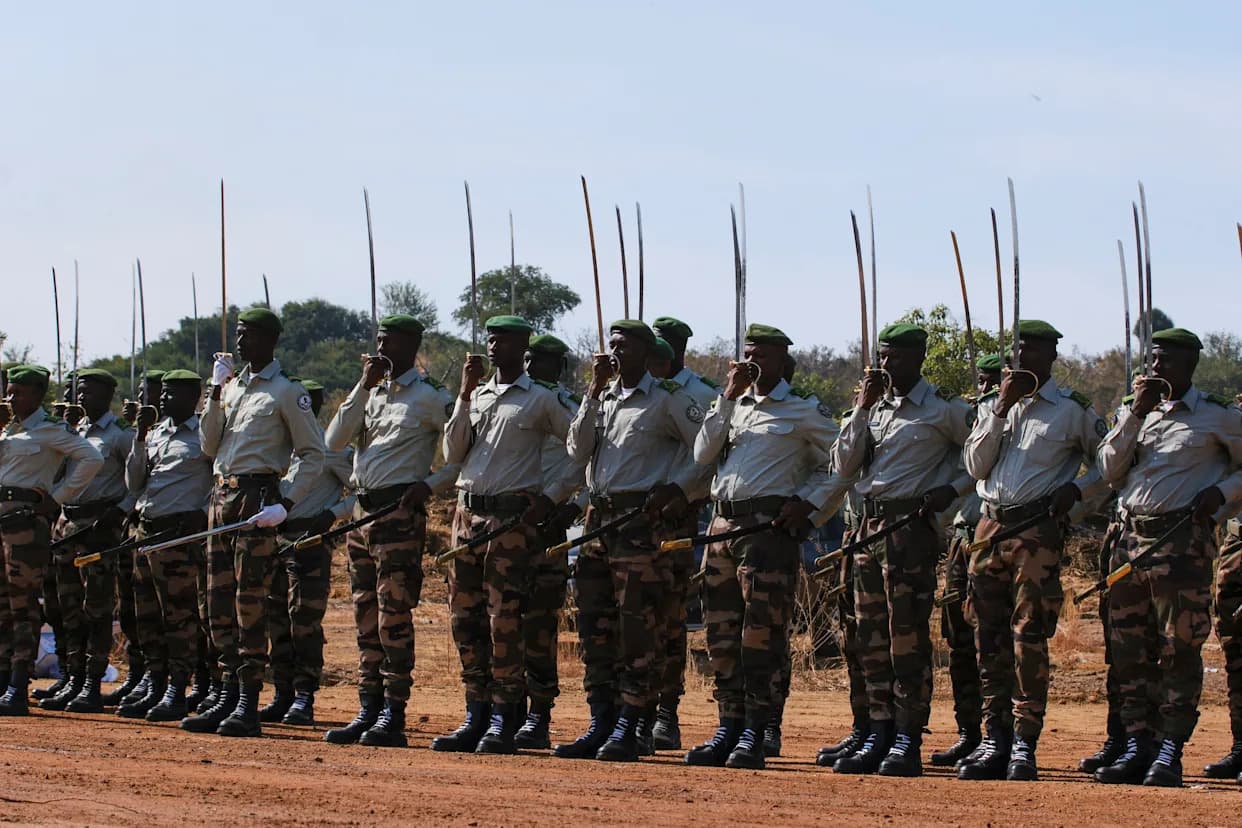
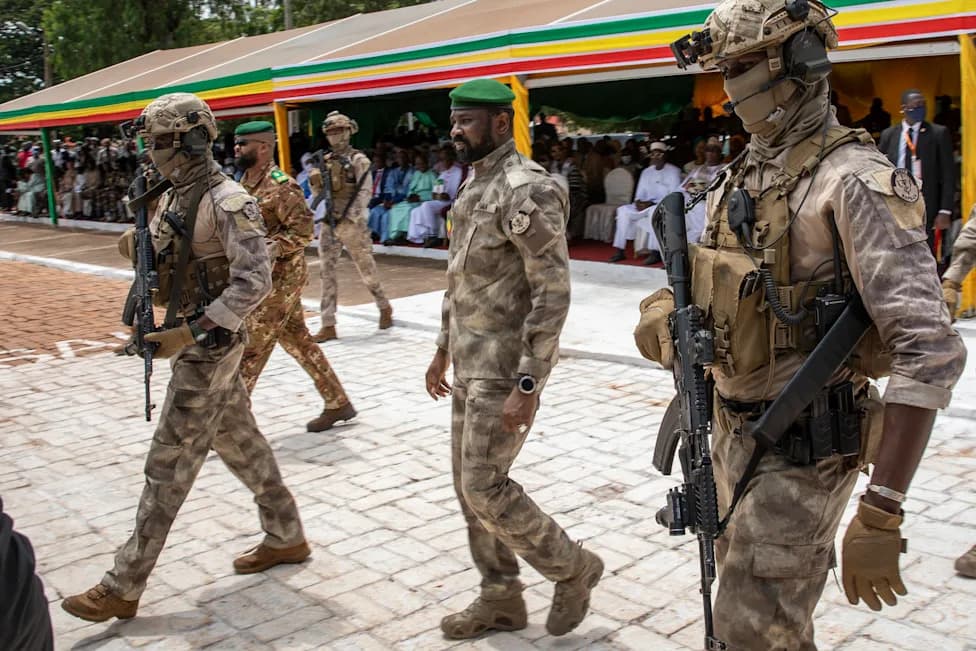
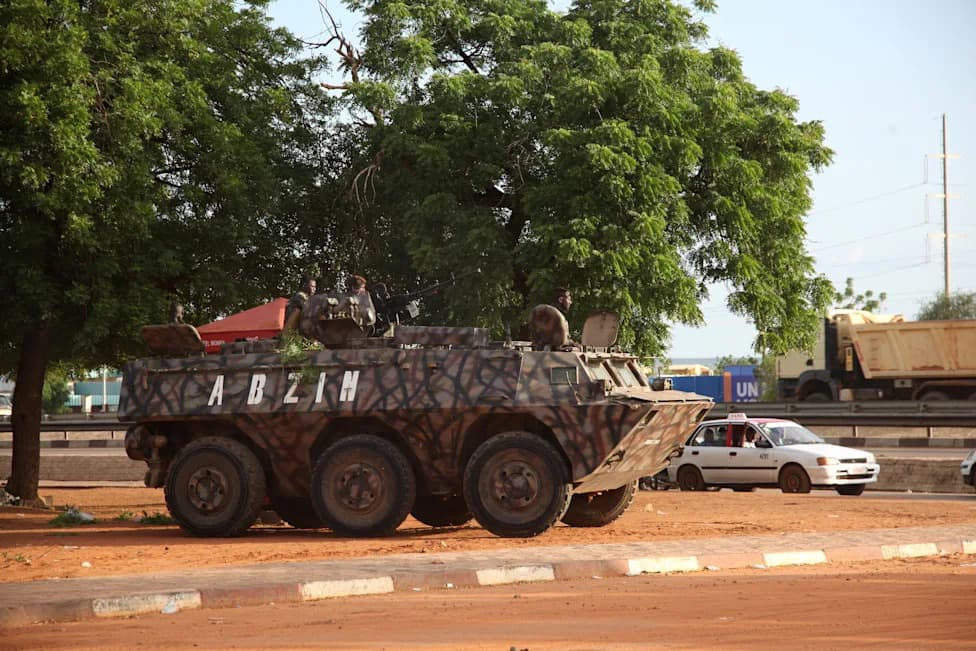
Mali’s Moscow-backed military government is fighting for survival after a coordinated assault by jihadist fighters and Tuareg forces killed the country’s defence minister and forced Russian mercenaries to withdraw from large parts of the north. The weekend attacks exposed the junta’s fragility and have raised fears that accelerating instability could spill across the Sahel and drive new waves of migration toward Europe.
How Mali’s Collapse Could Ripple Across the Region
The violence has left the ruling junta vulnerable and its future uncertain. Compounding that fragility, fuel-price shocks tied to the war in the Middle East are already worsening Mali’s economic crisis. As a landlocked state that depends on imports, rising energy and transport costs will make life harder for many Malians and push more people to seek safety and opportunity elsewhere.
Migration pressure will have regional and European consequences. Millions of Malians and Burkinabé already work in neighbouring Senegal and Côte d’Ivoire; more departures will increase competition for jobs and public resources in those countries. According to the European border agency Frontex, Malians are already among the top three nationalities arriving on Spain’s Canary Islands — a key transit point for African migrants bound for Europe.
Security Vacuum and Criminal Networks
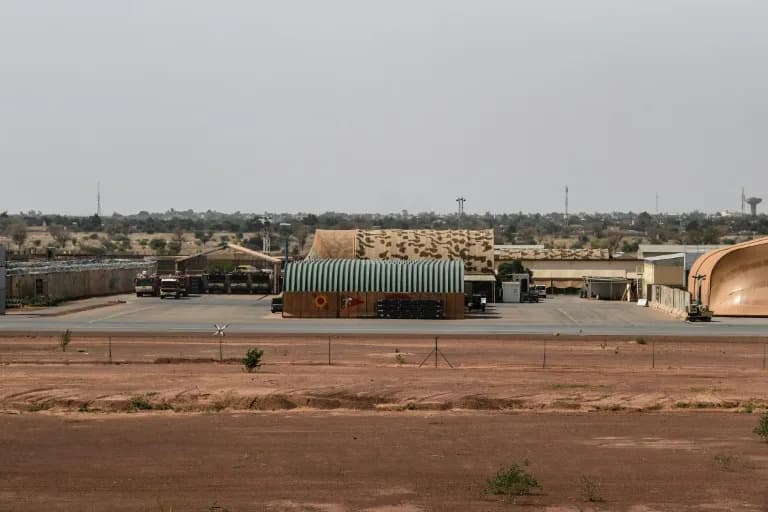
The withdrawal of Russian forces from much of northern Mali creates swathes of ungoverned territory. Jihadist groups could use these sparsely populated areas to establish training camps and consolidate control — a development that alarms neighbouring Algeria. A governance vacuum would also benefit transnational criminal networks, including arms dealers, drug smugglers and human traffickers who use Mali and Niger as transit corridors toward Libya and Mauritania.
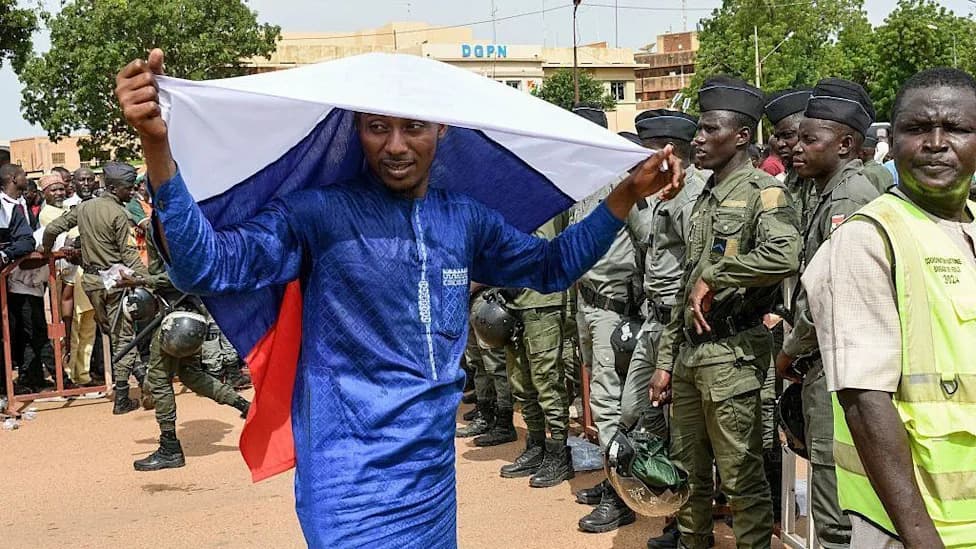
The insurgency has already spread into Burkina Faso and Niger and begun to infiltrate Gulf of Guinea states such as Benin and Togo. These countries are more tightly integrated into global trade and urban networks, meaning instability there would have broader geopolitical and economic effects.
Political Stakes and What Europe Should Watch
So far, jihadist forces have not seized Bamako, but effective government control appears to be largely confined to the capital. Mali’s military leader, Assimi Goïta, has re-emerged after weeks out of public view while Moscow has said it helped stop an attempted coup. Whether the junta endures remains unclear.
For European policymakers, the implications are threefold: a likely increase in irregular migration from the Sahel, heightened regional instability that could complicate trade and security ties, and expanded safe havens for jihadist and criminal groups that may export violence beyond the region. European governments should prepare humanitarian, migration-management and security responses while supporting regional partners to stabilise affected areas.
Bottom line: A destabilised Mali is not a remote problem; it is a regional crisis with direct implications for European migration and security.
Help us improve.