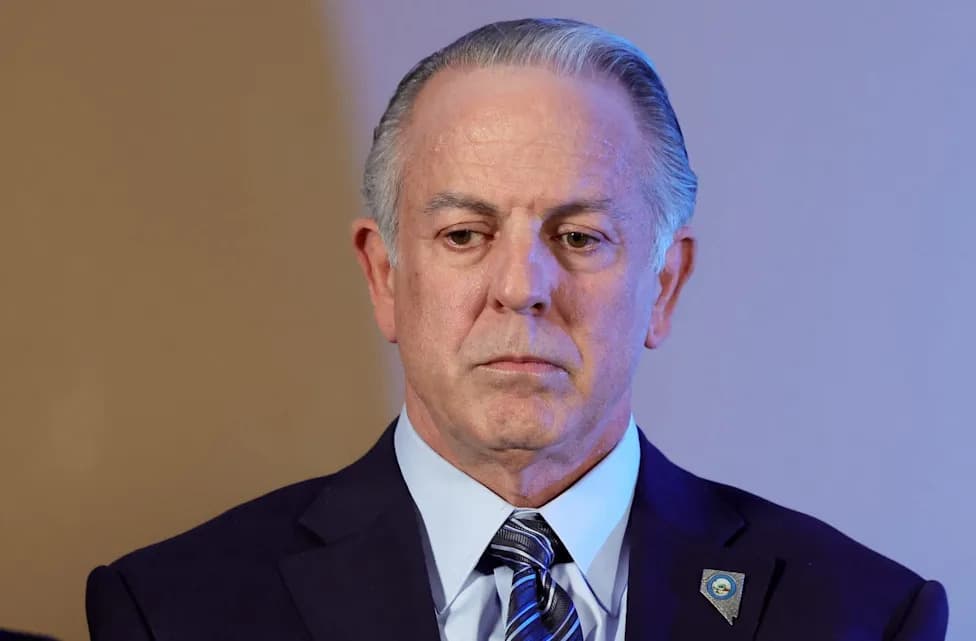
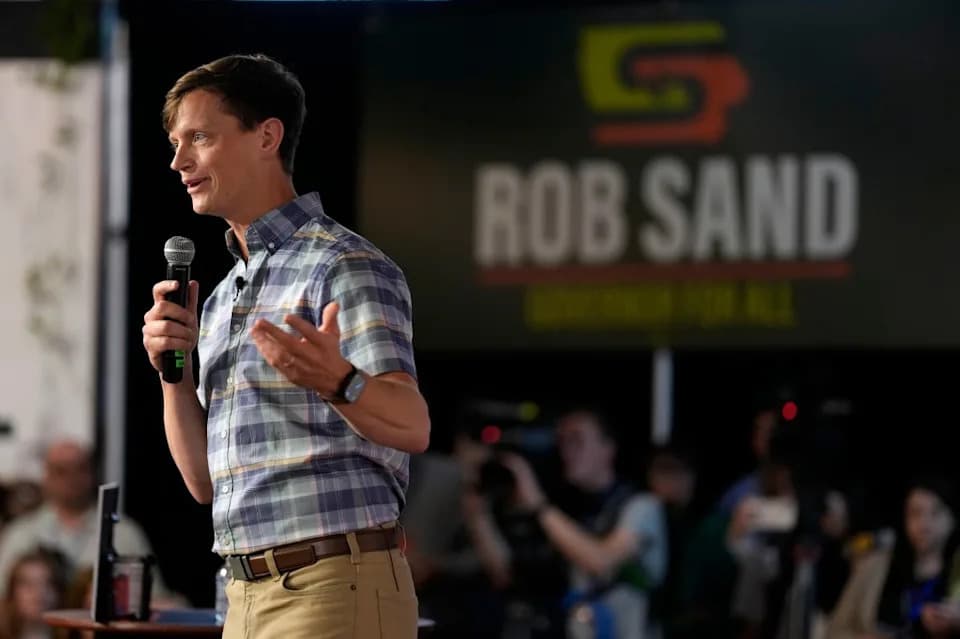
Nevada Gov. Joe Lombardo faces a tight reelection fight against Democrat Aaron Ford as national politics and local economic pain squeeze voters. A spike in gas prices and a 7.5% drop in Las Vegas visitors have intensified affordability concerns among working‑class and hospitality workers. Lombardo points to saved solar projects, job growth and rising state revenues as evidence of progress, while Democrats tie local hardships to the governor’s alliance with President Trump. The contest is viewed as a bellwether for whether the GOP can sustain Trump’s coalition without him on the ballot.
‘This Is the New Ohio’: Why Nevada’s Governor Race Is a National Bellwether
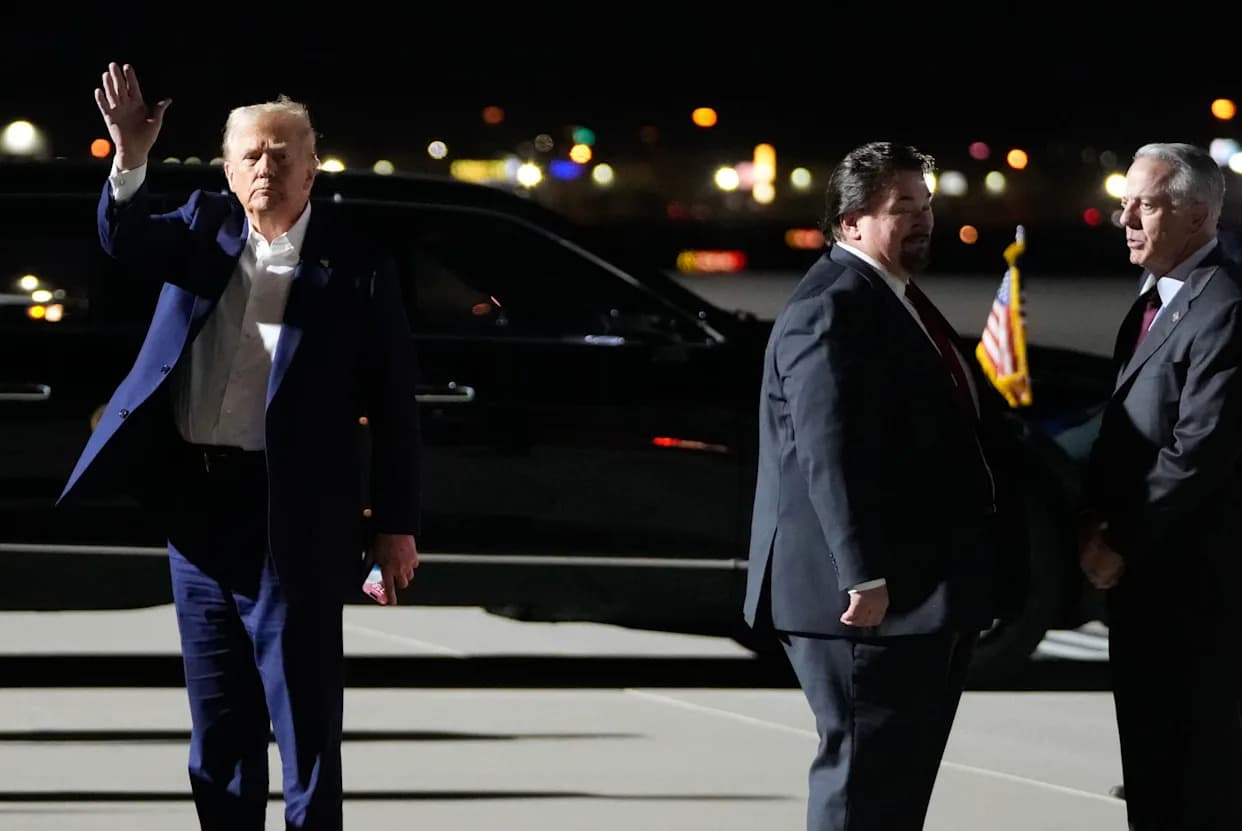
LAS VEGAS — Nevada Gov. Joe Lombardo is running for reelection in the state he has called home for five decades, but a shifting national climate and local economic pain have turned a once-comfortable campaign into a tight contest.
When the year began, the Republican governor enjoyed a large fundraising edge, double-digit net favorability and the momentum of a state the GOP presidential nominee carried for the first time in two decades. Five months later, Lombardo finds himself in a near tie with Democrat Aaron Ford, the state attorney general, as rising gas prices, a steep drop in Las Vegas tourism and an unsettled economy weigh on voters.
National Politics Loom Large
Lombardo’s connection to President Donald Trump is central to the race. Republicans hope he can thread the needle — energize a pro-Trump base while avoiding the partisan baggage that could drive away swing voters. Democrats have sought to link state economic pain to what they call the “Lombardo‑Trump economy,” pressing an affordability message that focuses on gas, housing and household budgets.
“Yes, I am concerned,” Lombardo told POLITICO at a Las Vegas Starbucks. “Not only because of my re‑elect but because of Nevada... What’s happening worldwide, nationally, either we embrace it or we don’t.”
Local Economy, National Forces
Tourism — the backbone of Nevada’s economy — has been hit by weakened international travel and policy shifts. Las Vegas reported a 7.5 percent drop in visitors last year, the worst non‑pandemic decline since tracking began in 1970. At the same time, gasoline prices jumped from about $3.50 to nearly $5 a gallon in Nevada, intensifying cost-of-living concerns for hospitality workers facing reduced hours and smaller tips.
Democratic state leaders highlight those strains. Nevada State Democratic Party Chair Daniele Monroe‑Moreno recounted conversations with residents squeezed by higher fuel and grocery costs: “If you’re a hospitality worker whose hours have been limited, now you’re bringing home less money but you’re paying more for groceries and now gas.”
What Lombardo Says He’s Delivered
Lombardo argues his relationship with the White House has produced concrete wins for Nevada. He says a one-on-one meeting with President Trump in Washington helped preserve several Biden‑era solar projects an executive order threatened to cancel — projects Lombardo says would have protected roughly 7,200 jobs. He also emphasizes state job gains and revenue growth: Nevada added more than 34,000 jobs over the past year and general fund revenue is up about 8 percent year‑over‑year.
On immigration, Lombardo — a former Clark County sheriff — says communication with the administration has prevented large-scale federal enforcement sweeps in Nevada, which he argues would disrupt local communities and the tourism industry.
The Political Calculus
Political strategists and analysts view Nevada as a test case for whether the GOP can sustain the coalition that delivered the state in 2024 without Trump on the ballot. The state’s registered independents have grown substantially — from roughly 570,000 to nearly 775,000 — expanding the pool of persuadable voters.
“Nevada is the perfect petri dish... It’s going to be a bellwether state the way that Ohio used to be,” Republican strategist Mike Madrid said, calling the contest “the new Ohio” for this chapter of American politics.
What Voters Will Decide
At its core, the race turns on whether working‑class and independent voters believe the governor’s record and his promise to diversify and stabilize Nevada’s economy — or whether they respond to immediate affordability pressures tied to energy and housing costs. Lombardo’s strategy is cautious visibility: make the case directly, highlight measurable wins, and try to distance his state-level agenda from national headlines when necessary.
“Not hiding in the basement. I think that’s the key component — to let people know exactly what you’ve done,” Lombardo said. “I believe, with my history both as the sheriff and as the governor, people trust me.”
Help us improve.