Researchers have reclassified fossil material and recent photographic evidence to recognize a new genus of gliding possum, Tous, and its species Tous ayamaruensis, from Indonesian Papua. Once thought extinct about 6,000 years ago, this small (≈11 oz / 310 g), nocturnal tree-dweller uses both a patagium and a strong prehensile tail to glide and climb. Indigenous knowledge, dental comparisons with fossils and distinctive features such as furless ears and an eye ring supported the reclassification. Tous is a Lazarus taxon but faces threats from hunting, illegal trade, logging and palm-oil driven habitat loss.
Lazarus Possum: New Gliding Genus Tous Rediscovered After 6,000 Years
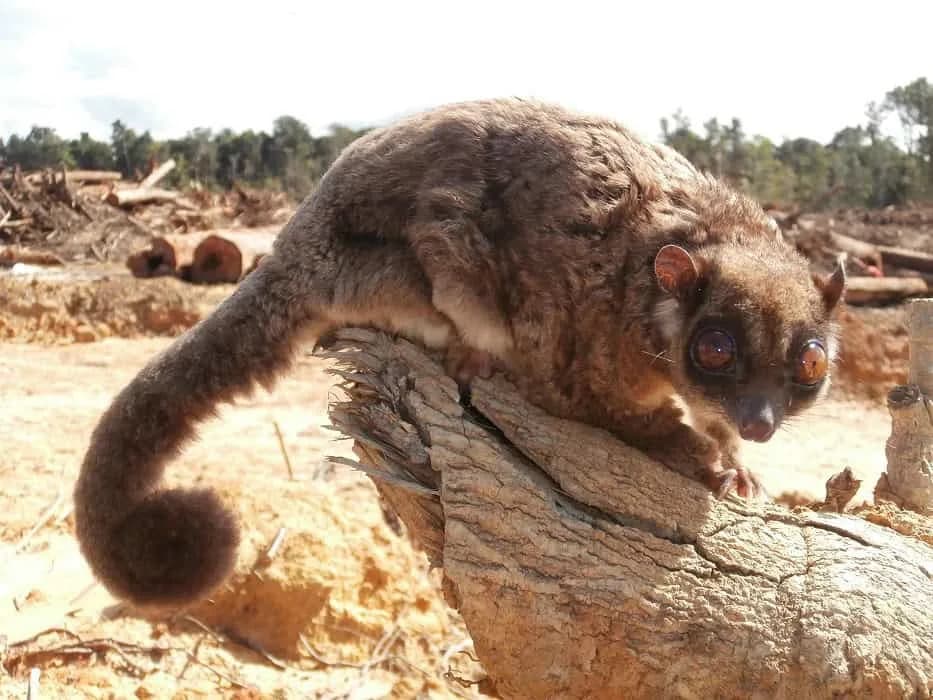
© Ken Yatomi, Bishop Museum
I remain fascinated by how much of nature still surprises us. In 2015 a plantation worker in Indonesian Papua photographed an unfamiliar tree-dwelling marsupial. Years of study of that image, fossil material and local knowledge have now revealed that the animal represents an entirely new genus of gliding possum: Tous.
How the Discovery Unfolded
The initial photograph showed a brown, large-eyed marsupial with features similar to the Australian greater glider (genus Petauroides), but closer study revealed a suite of distinctive traits. Researchers compared the living animal’s anatomy—especially dental characteristics—with fossil remains described in 1999 as Petauroides ayamaruensis, and the match prompted a taxonomic re-evaluation. The fossil species has been reclassified as Tous ayamaruensis, and the living animal is now recognized as a member of that genus.
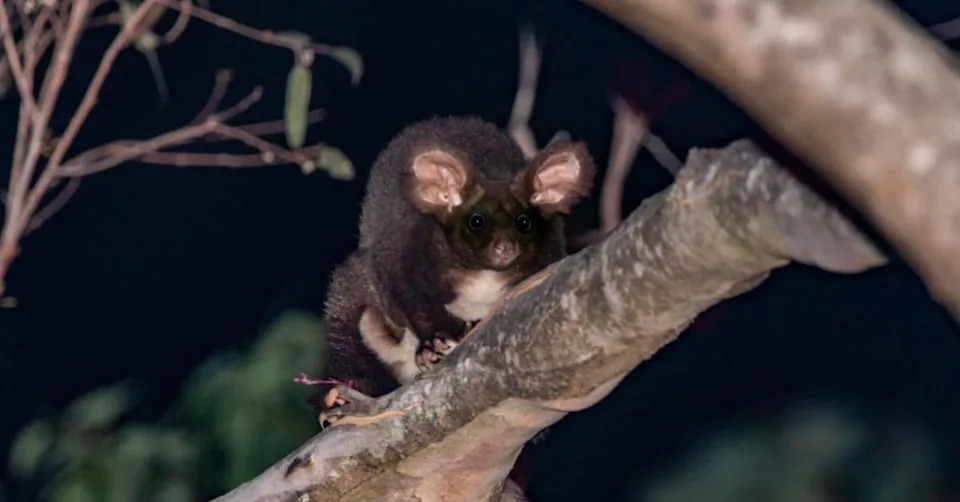
The Greater Glider is a marsupial that is part of the mammal class, similar to the new genus Tous!©Mark Gillow / CC BY 2.0 –Original/License
“Citizen scientists can make an impact in conservation by paying attention to local biodiversity and reporting findings to researchers,” Scott Black of the Xerces Society told the author, highlighting how local observations can broaden scientific understanding.
What Makes Tous Unique
Tous combines adaptations for both gliding and climbing. Key physical features include:
- Furless (naked) ears
- A well-defined patagium (gliding membrane)
- A strong prehensile tail that is furry on top and bare underneath
- A conspicuous eye ring
- Smaller overall body size compared with some other gliders (adults weigh about 11 ounces, ≈ 310 grams)
The robust prehensile tail, combined with the patagium, allows Tous to both climb effectively and glide between trees in the canopy.
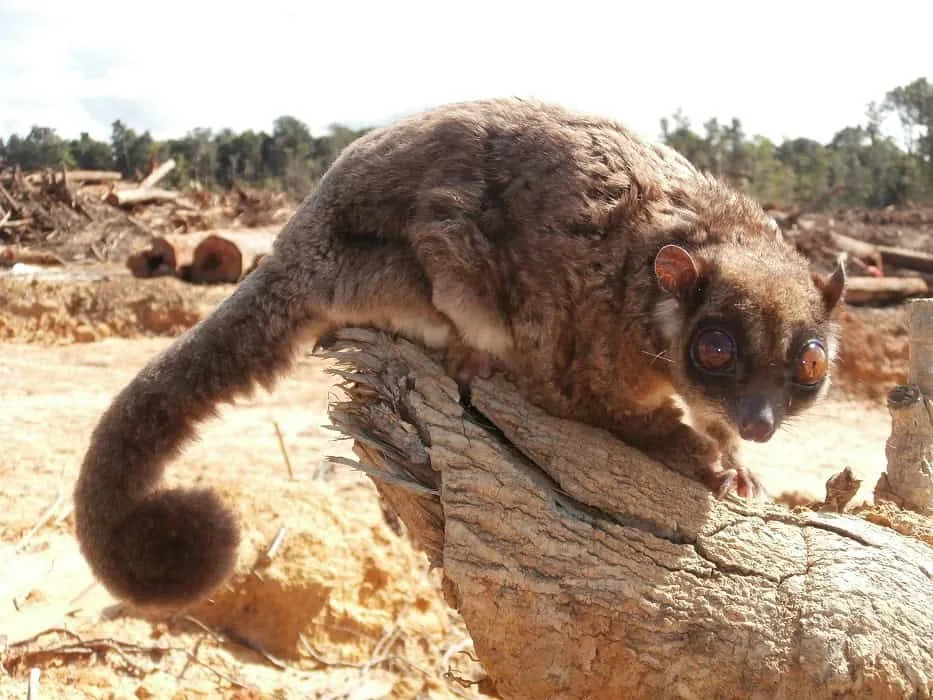
Compared to other gliders like the sugar glider, which has a weak prehensile tail,T. ayamaruensis‘ tail is a strong defining feature that supports its tree-dwelling lifestyle.©Ken Yatomi, Bishop Museum –Original
Fossils, Indigenous Knowledge, And Taxonomy
Fossil material from western Papua had been tentatively assigned to the genus Petauroides in 1999, but authors cautioned that the placement was uncertain. By comparing the photograph and dental features to those fossils, scientists concluded the fossil species did not belong in Petauroides. Indigenous communities in the region had long known the animal—sometimes calling it Tous wan and regarding it as sacred—information that helped confirm the connection between living animals and the fossil record.
Behavior, Diet And Reproduction
Tous ayamaruensis is a nocturnal, tree-dwelling marsupial that favors tree hollows. Its diet appears largely herbivorous—primarily leaves and tree sap—with occasional consumption of fruit or insects. Notably, Tous appears to be monogamous: pairs form stable bonds and raise a single offspring each year, a reproductive strategy that is uncommon among mammals.
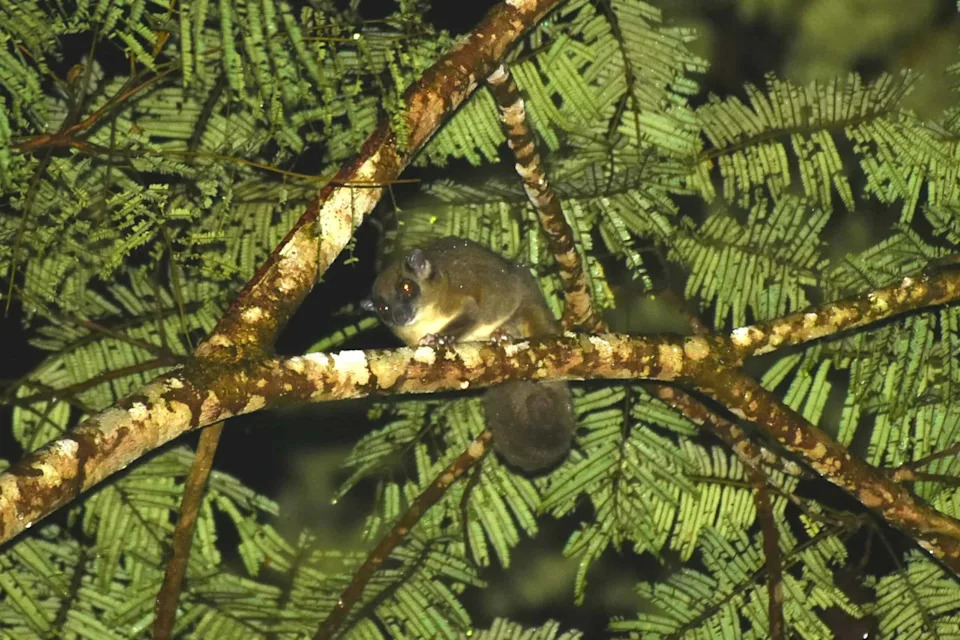
Unlike certain other gliders, scientists do not believeT. ayamaruensisare opportunistic omnivores.©Dewa FFI, Bishop Museum –Original
A Lazarus Taxon With Urgent Conservation Needs
Because Tous was thought to have disappeared around 6,000 years ago and has now been documented alive, it is a classic example of a Lazarus taxon. The discovery expands our understanding of mammal diversity: the American Society of Mammalogists’ Mammal Diversity Database currently records roughly 6,758 living mammal species and about 1,360 genera, so adding a genus is noteworthy.
However, the species faces immediate threats: hunting, the illegal wildlife trade, logging and habitat conversion for palm oil put Tous at risk. Now that the species is known to science, coordinated conservation measures—grounded in local knowledge and habitat protection—are essential to prevent it from becoming extinct again.
Why This Matters
The Tous discovery shows how photographs, fossil records and Indigenous knowledge can combine to overturn long-held assumptions in natural history. It also underscores the value of local observers and citizen scientists in biodiversity discovery and conservation. Protecting habitats in New Guinea is critical not only for Tous ayamaruensis but for the many other species that remain poorly known.
Help us improve.