The Department of Justice has appealed a March 16 Massachusetts federal court order that froze Health Secretary Robert F. Kennedy Jr.'s changes to the childhood vaccine schedule. The January revisions reduced recommended vaccines from 18 to 11, removing routine recommendations for hepatitis A, hepatitis B, RSV, dengue and two types of bacterial meningitis. The American Academy of Pediatrics and other medical groups sued, arguing the schedule changes and the replacement of the CDC advisory committee violated federal law. The appeals process could move quickly if emergency relief is sought, but further proceedings are expected to take months and include oral arguments.
DOJ Appeals Ruling That Halted RFK Jr.'s Childhood Vaccine Overhaul
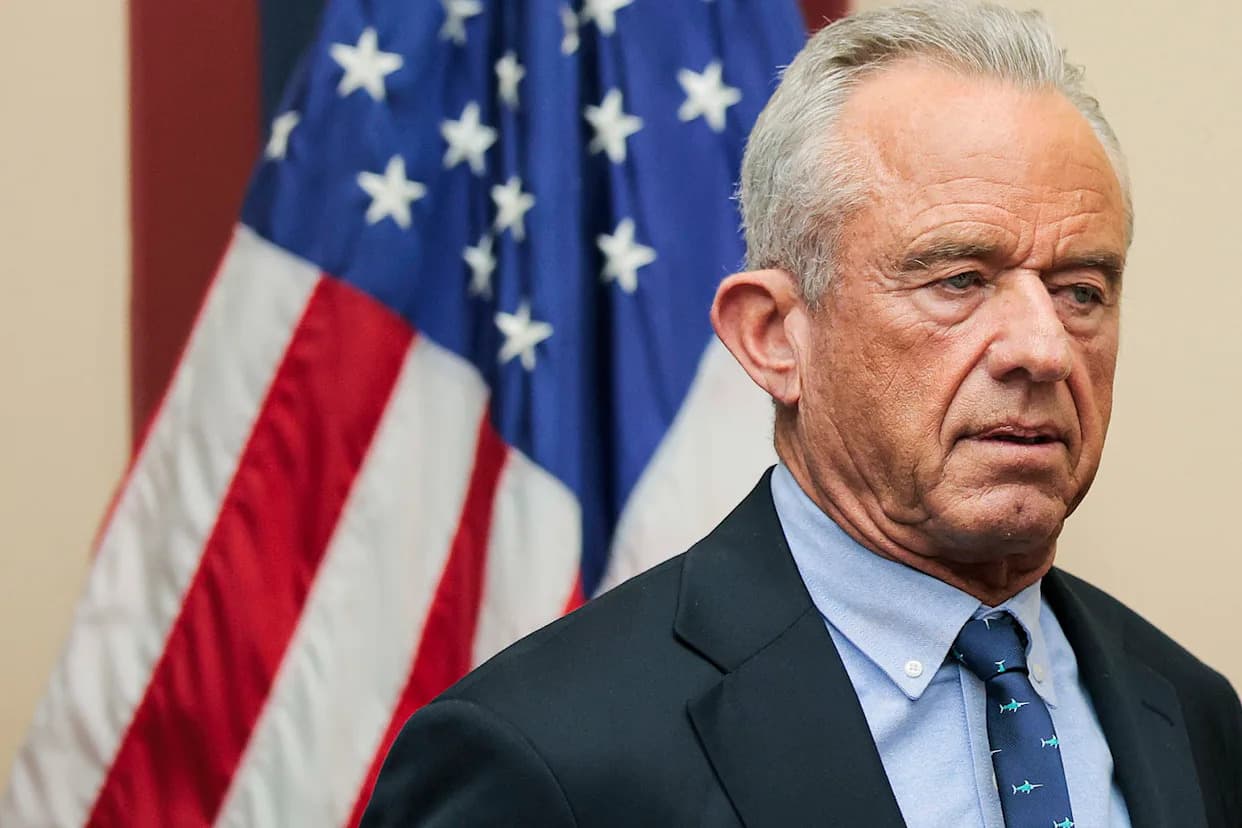
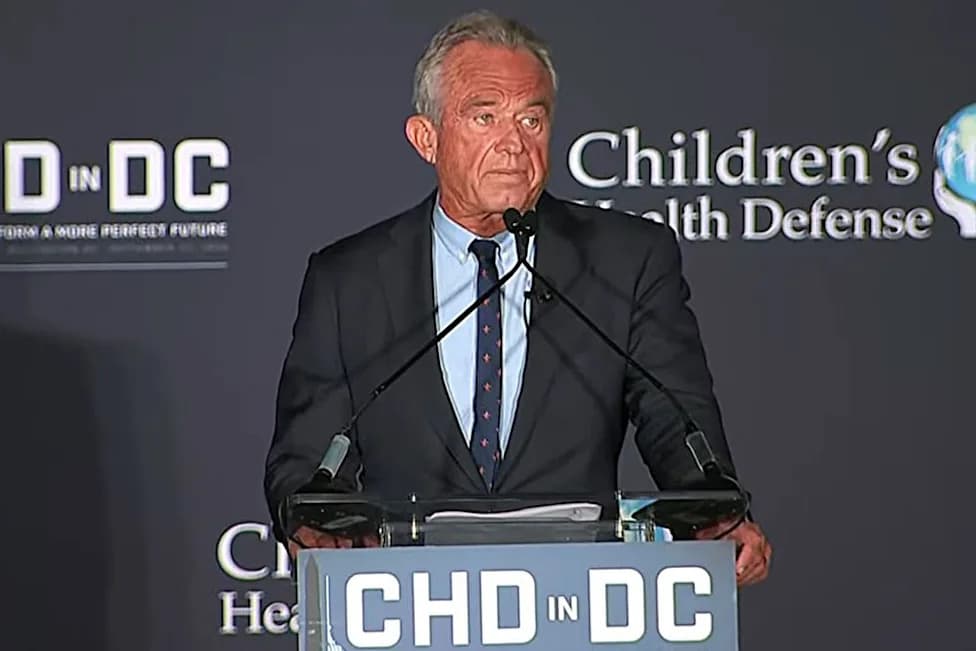
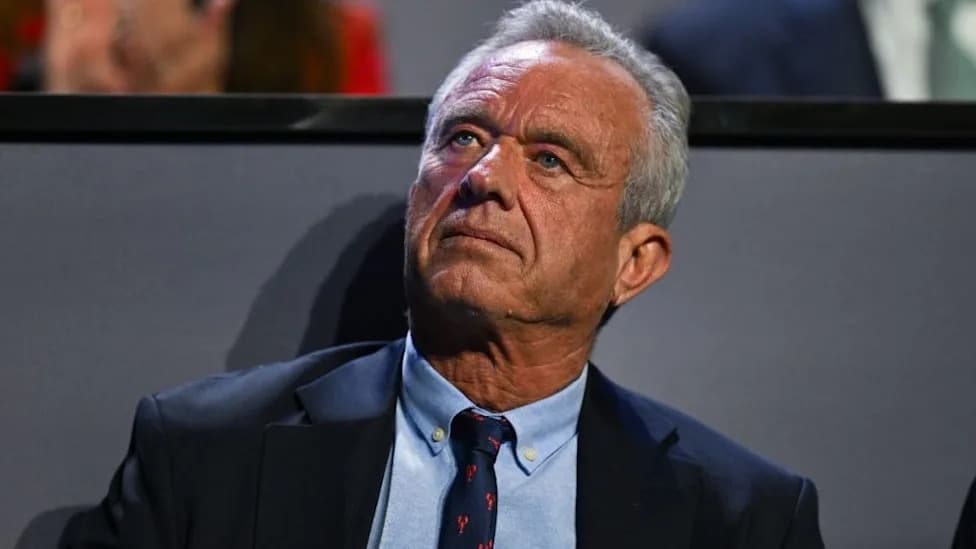
Health and Human Services Secretary Robert F. Kennedy Jr. on April 17. (Heather Diehl / Getty Images)(Heather Diehl)
The Department of Justice has filed an appeal in the 1st U.S. Circuit Court of Appeals challenging a Massachusetts federal judge's March 16 order that froze Health Secretary Robert F. Kennedy Jr.'s overhaul of the nation's childhood vaccine schedule.
Background
In January, Kennedy and the Centers for Disease Control and Prevention (CDC) announced sweeping revisions to the recommended childhood immunization schedule, reducing the number of diseases for which routine vaccination was recommended from 18 to 11. The changes removed routine infant recommendations for hepatitis A, hepatitis B, respiratory syncytial virus (RSV), dengue and two types of bacterial meningitis.
The Legal Challenge
A federal judge, Brian Murphy, ruled on March 16 that Kennedy had replaced the CDC's Advisory Committee on Immunization Practices (ACIP) "unlawfully," and put any actions by the committee on hold. The ruling also stayed the appointments of 13 committee members, effectively nullifying their roles and any votes they had cast. Assistant Attorney General Brett Shumate signed the Justice Department's appeal filing on Wednesday evening.
The American Academy of Pediatrics (AAP) and several other medical organizations sued the Department of Health and Human Services, arguing that both the changes to the immunization schedule and Kennedy's reorganization of the ACIP violated federal law. Richard Hughes, counsel for the AAP, said the group will respond to the government's appeal and expects to prevail.
What Happens Next
The Justice Department could ask the appeals court for emergency relief to get a fast ruling on the appeal; such a motion would ask the 1st U.S. Circuit Court of Appeals to stay, or pause, Judge Murphy's order while the appeal proceeds. Legal observers expect the dispute to play out over several months and include oral arguments; Hughes has suggested the litigation could ultimately reach the Supreme Court.
Meanwhile, the status of the ACIP — intended to be an independent panel of vaccine experts — remains uncertain. A meeting that had been scheduled for March to discuss COVID-19 shots was postponed indefinitely; the committee is tentatively set to reconvene in late June, but no agenda has been released.
Richard Hughes, AAP Counsel: 'We will, in due course, respond to the government’s appeal and we expect to prevail.'
This article was originally published on NBCNews.com.
Help us improve.