Senate Foreign Relations Chair Jim Risch urged U.S. and international action to protect undersea communications cables that carry about 99% of global internet traffic. He called for public attribution of sabotage when possible and a coordinated effort to improve subsea infrastructure resilience. The hearing cited at least eight suspected sabotage incidents in the Baltic Sea since 2022, raising concerns about Russia and China. Regulators and governments, including the FCC and Britain, are moving to limit certain foreign equipment and to protect cables militarily.
Senate Foreign Relations Chair Jim Risch Urges Global Push To Prevent Undersea Cable Sabotage
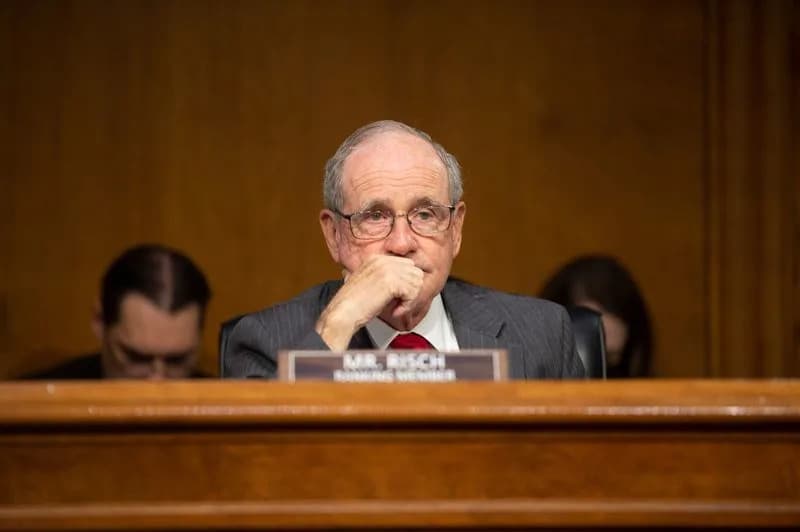
Senator Jim Risch (R-ID) ranking member of the Senate Foreign Relations Committee, attends a hearing on the Fiscal Year 2023 Budget at the Capitol in Washington, U.S., April 26, 2022. Bonnie Cash/Pool via REUTERS
WASHINGTON, April 29 — Senate Foreign Relations Committee Chair Sen. Jim Risch on Thursday urged renewed U.S. and international action to protect undersea communications cables, the critical network that carries roughly 99% of international internet traffic and underpins global commerce, finance and national security.
"To end undersea sabotage, we need to call it out when it happens and say publicly who did it, if possible,"Risch said in prepared remarks released ahead of a committee hearing. He added that Washington should lead a concerted international effort to strengthen the resiliency of subsea infrastructure and to prevent or mitigate the impact of attacks when they occur.
Why It Matters
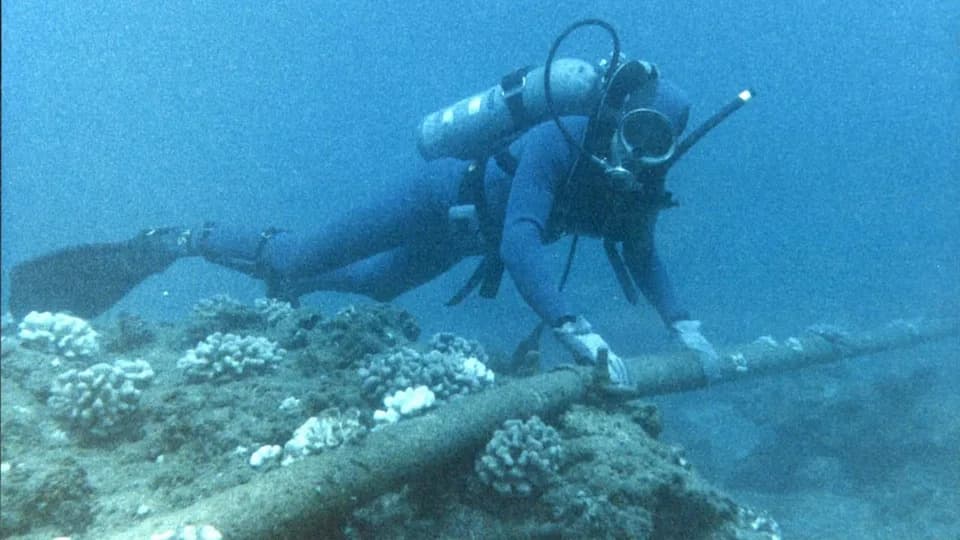
More than 400 subsea cables span the world's oceans, carrying the vast majority of cross-border internet traffic. Damage or deliberate cuts to these cables can produce major communication outages, disrupt financial and commercial activity, and create intelligence and defense vulnerabilities.
Evidence and Concerns
The hearing cited at least eight suspected sabotage incidents in the Baltic Sea since 2022. U.S. lawmakers and investigators say a growing body of evidence points to coordinated malign activity in strategic regions, with suspicions focused on both the Russian Federation and the People's Republic of China.
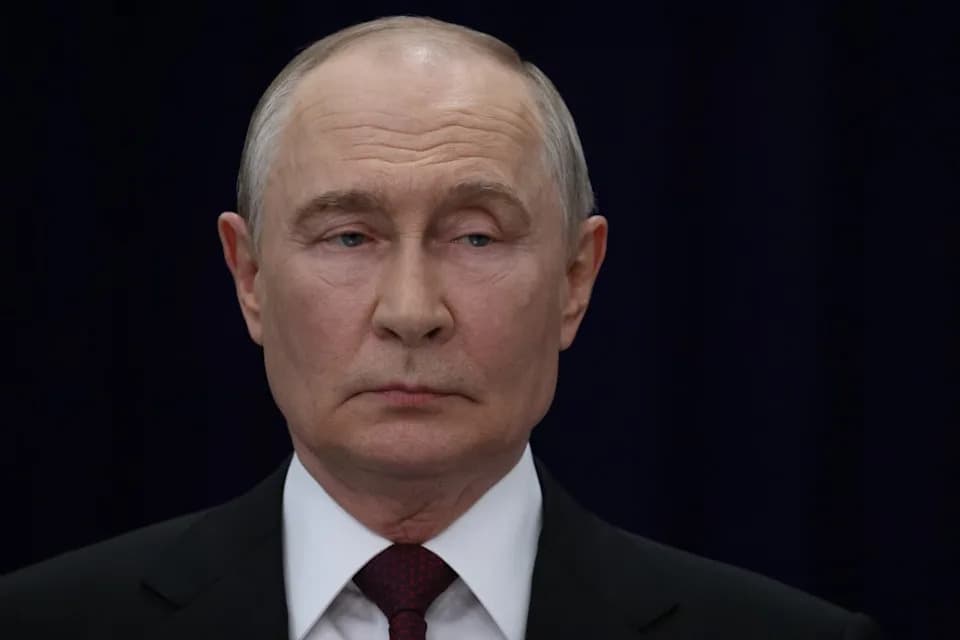
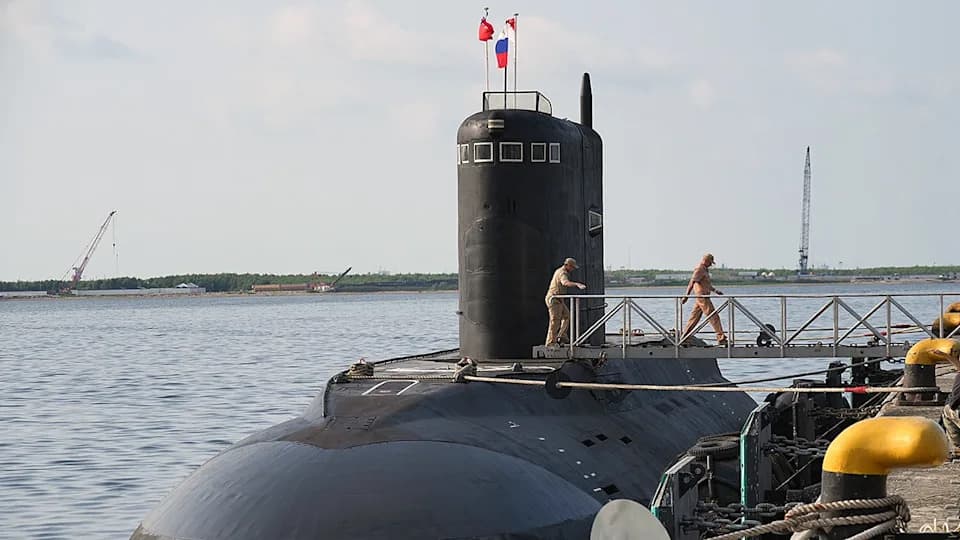
Risch's remarks warned that Moscow has developed both advanced undersea warfare capabilities and simpler methods that can mimic an anchor dragging on the seafloor to conceal hostile activity. The prepared comments also flagged concerns about suspected Chinese actions targeting subsea infrastructure.
Recent Actions and Incidents
Federal Communications Commission Chair Brendan Carr has said the agency will seek rules to bar companies from connecting submarine communications cables to the United States if those systems include Chinese technology or equipment.
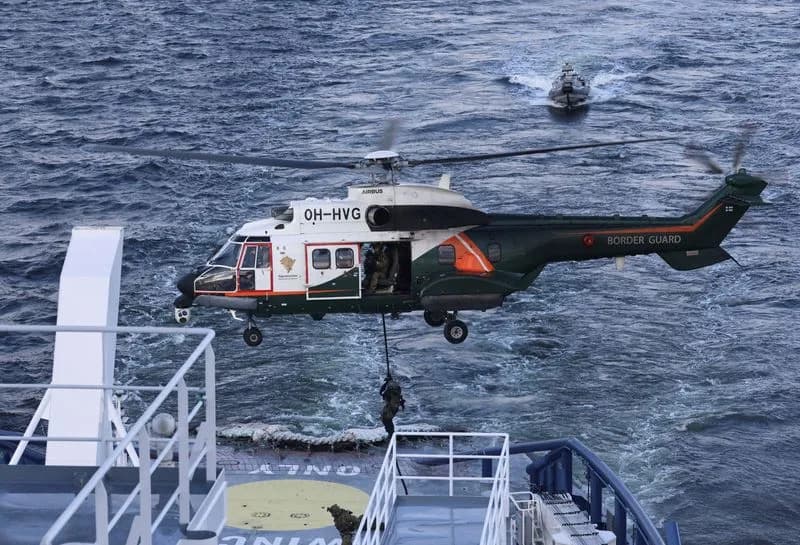
Specific incidents referenced in the hearing include two fiber-optic undersea cables in the Baltic Sea that were cut in November 2024, prompting investigations into possible sabotage, and Taiwan's 2023 allegation that two Chinese vessels severed the only two cables supplying internet access to the Matsu Islands. Earlier this month, Britain said it had deployed naval vessels to guard cables after Russian submarines spent more than a month in and around British waters.
Calls For Action
Committee members emphasized three priorities: improved detection and attribution so perpetrators can be publicly identified when possible; enhanced international coordination to protect and rapidly repair subsea infrastructure; and regulatory steps to reduce reliance on potentially hostile suppliers for sensitive cable components.
Lawmakers and regulators said a combination of diplomatic pressure, military protection, tougher supply rules, and public attribution will be needed to deter future attacks and safeguard a network that the modern world depends on.
Help us improve.