The first high-resolution "smell map," produced by Harvard researchers led by Sandeep (Robert) Datta, shows that over 1,000 olfactory receptor types in mouse noses are organized in horizontal bands rather than randomly. Using spatial transcriptomics to analyze 5.5 million neurons from 300+ mice, the team linked specific nasal locations to precise olfactory-bulb targets. The discovery could inform regenerative therapies — including stem cell approaches — to restore smell lost after injury or COVID-19, though more work is needed to translate findings to humans.
Harvard's First 'Smell Map' in Mice Reveals Hidden Order — A Step Toward Restoring Lost Smell
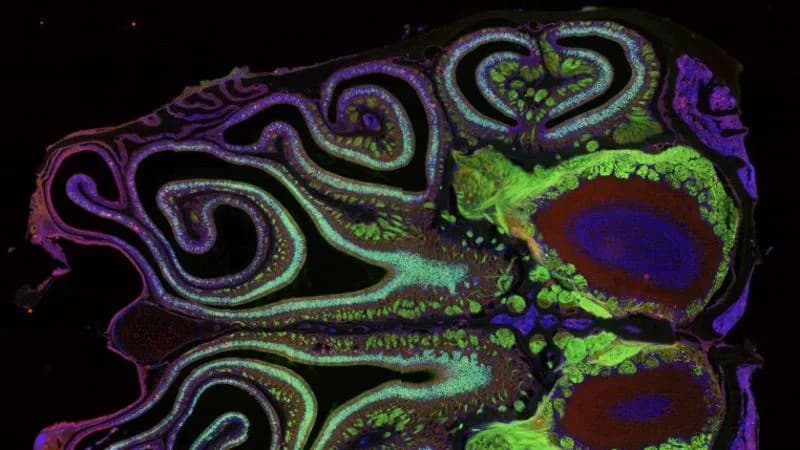
Humans can discriminate thousands of odors, yet smell remains one of our least understood senses. A new study from Harvard Medical School challenges a long-held assumption about the olfactory system by producing the first high-resolution "smell map" in mice that shows surprising spatial order in the nasal lining.
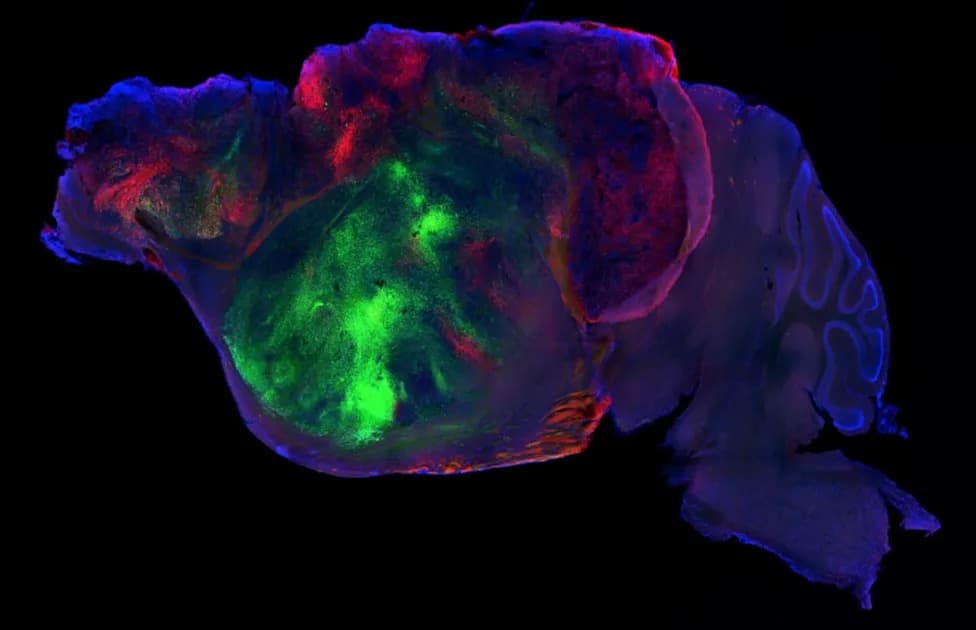
What the researchers found. Led by neurobiology professor Sandeep (Robert) Datta of the Blavatnik Institute, the team mapped more than 1,000 distinct olfactory receptor types across the mouse nasal cavity. Rather than a random scatter, receptor types form clear horizontal bands that run from the top to the bottom of the nose. The researchers color-coded those bands to create what they describe as the world’s first visual "smell map." The study was published in the journal Cell.
How they built the map. The team analyzed over 5.5 million individual olfactory neurons sampled from more than 300 mice. Using advanced methods including spatial transcriptomics, they traced which nasal neurons activate specific locations in the olfactory bulb — the brain structure that interprets smell signals. That precision allowed the researchers to link discrete spots in the nose to defined targets in the brain for the first time.
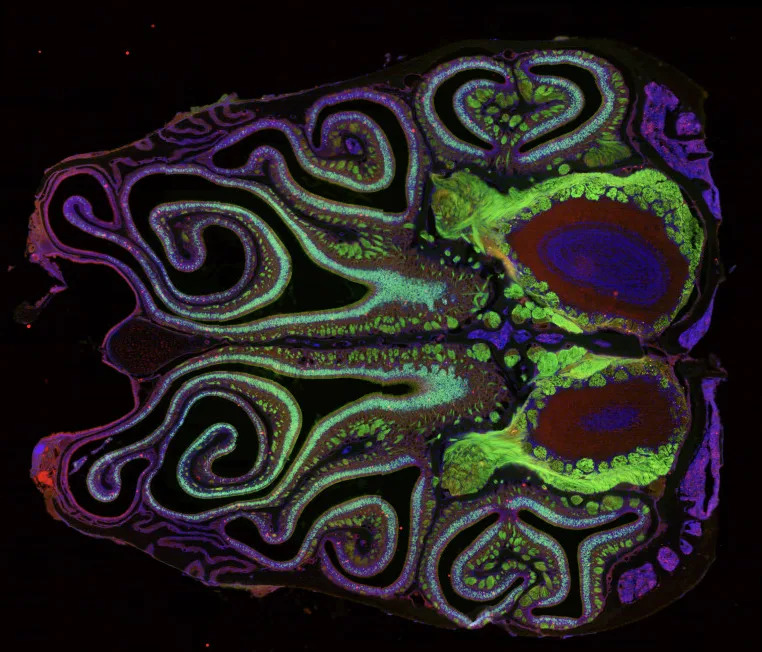
Smell map, Harvard study
'Our results bring order to a system that was previously thought to lack order, which changes conceptually how we think this works,' said Datta in the paper.
Why it matters. Understanding the spatial layout of olfactory receptors could guide new medical approaches for people who have lost their sense of smell after injury, infection, or illness. Millions experienced smell loss during the COVID-19 pandemic, and olfactory dysfunction is associated with reduced quality of life and higher risks of depression, particularly in older adults. The authors suggest that detailed human smell maps, paired with regenerative strategies such as stem cell therapies, might eventually help restore smell.
Caveats and next steps. The current map comes from mice, and while the basic organizational principles may be conserved across mammals, many questions remain. Datta and colleagues emphasize that "olfaction is super-mysterious," and further work is needed to map human olfactory tissue, verify functional consequences, and translate findings into therapies.
Overall, the study replaces an assumption of randomness with a discoverable order and opens a clearer path for future research and clinical innovation in treating smell disorders.
Help us improve.