Overview: As the Iran conflict nears the 60-day statutory deadline, Republican lawmakers are increasingly debating whether to press the administration for formal authorization under the War Powers Act. Some GOP senators want consultations, limited authorizations, or explicit limits such as bans on ground troops, while others remain reluctant to back Democratic resolutions. The White House says it has briefed Congress extensively and could use a 30-day withdrawal window or legal arguments to avert an authorization vote. Democrats are preparing more measures and even legal options if the conflict continues past the deadline without congressional approval.
60-Day Deadline Looms as Iran Conflict Tests GOP, Raising War Powers Questions

As the Iran conflict approaches the 60-day statutory threshold this Friday, Republican lawmakers on Capitol Hill are growing increasingly restless and debating whether Congress should press the administration for formal authorization under the War Powers Act.
Rising Tension Over Congressional Authority
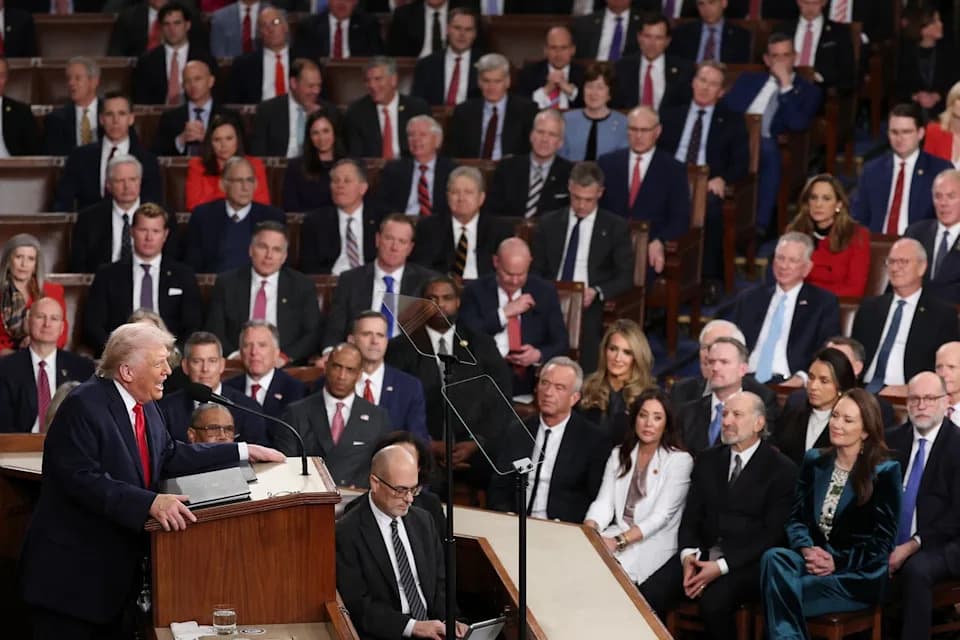
Several GOP senators say the milestone has prompted renewed discussion about lawmakers’ constitutional responsibilities and whether to force a public debate on the limits of presidential war powers. "It’s a big deal. … There are a number of us having discussions about what that day means, what our response should be. It’s important to me that Congress realizes their responsibility," Sen. John Curtis (R-Utah) told Semafor.
Republicans are not united behind Democratic proposals to end hostilities, but many are uncomfortable with an extended military campaign driven primarily by the executive branch and without a clear endgame. "At some point, people cross some sort of threshold and start to be very uncomfortable with it," a GOP senator familiar with intraparty dynamics said.
What the 60-Day Clock Means
The War Powers Resolution triggers a 60-day clock for hostilities begun without congressional authorization, followed by a presumptive 30-day withdrawal window unless Congress votes to continue. Administration options to avoid immediate congressional votes include invoking the 30-day withdrawal window, arguing that statutory technicalities apply differently in this case, or contending that temporary ceasefires should not count toward the 60 days.
“The 60-days [mark] is very important to me. The War Powers Act makes clear that at the 60-day point the Congress needs to authorize any further military action,” Sen. Susan Collins (R-Maine) told Semafor. “Sixty days is a trigger that requires Congress to act.”
Lawmakers Push Options
Some Republicans say they could support limited or conditional authorizations — for example, measures that explicitly prohibit use of ground troops or that set a fixed one-year authorization with periodic congressional review. Sen. Thom Tillis (R-N.C.) suggested a time-limited authorization with review points could send a clear message to Iran while preserving congressional oversight.
In the House, moderates such as Rep. Brian Fitzpatrick (R-Pa.) have introduced their own war-powers legislation that would end U.S. military operations after 60 days unless Congress acted, with a 30-day withdrawal period and an explicit carve-out stating that ceasefires do not count toward the 60-day limit.
Political Dynamics And Briefings
The White House maintains it has kept lawmakers informed. "The administration is in active conversations with the Hill on this topic," a White House official told Semafor, warning against using the issue for political gain. White House spokesperson Anna Kelly noted "over 30 bipartisan briefings" to date.
Both parties expect further engagement with Sen. Marco Rubio (R-Fla.) and other lawmakers this week; lawmakers say early notifications and briefings have already taken place. Sen. Josh Hawley (R-Mo.) said he hopes the administration will notify Congress if it intends to scale back offensive operations.
Sen. Chris Coons (D-Del.), with a sardonic jab, said: “The secretary of state, national security adviser, archivist, and viceroy of Venezuela owes us some engagement on this point, and as a former senator — more than anyone — he’s the one I look to to do that.”
Democrats have forced a steady drumbeat of Iran-related votes but so far have only garnered support from a small number of Republicans for those measures. Some Democrats are also publicly weighing legal options if the conflict extends beyond 60 days without congressional authorization.
Outlook
Many Republicans would prefer a quick resolution or for the administration to use the 30-day withdrawal period rather than force difficult authorization votes that can carry political costs. Still, several GOP senators say they are prepared to press the case for consultation or for a formal vote after the 60-day mark if necessary — a moment that could reshape how Congress asserts its war powers in the months ahead.
Help us improve.