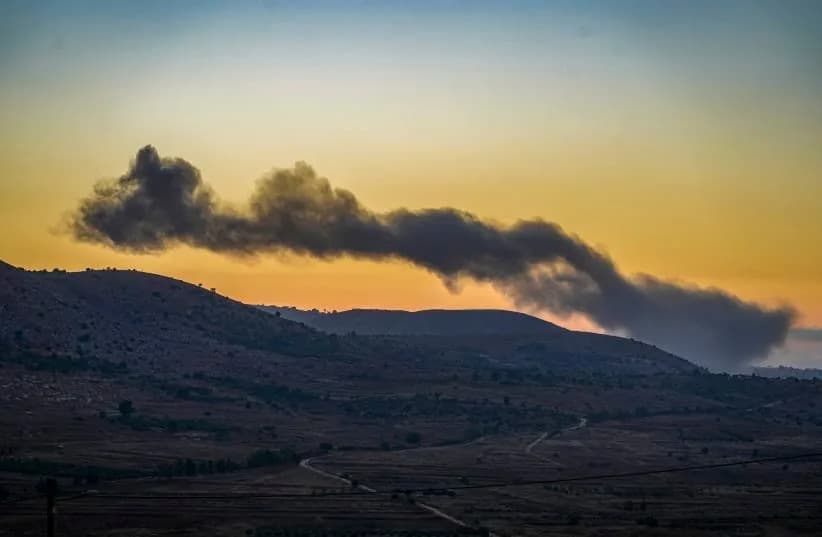
Hezbollah has deployed first‑person‑view (FPV) attack drones tethered by fibre‑optic cable, a tactic that avoids radio transmissions and largely defeats EW jamming and radar detection. The tether transmits uncompressed video and can reach 10–30 km, allowing operators to guide explosives to vehicle weak points. A recent attack in Taybeh killed one Israeli soldier and wounded six others, prompting improvised defences such as nets and small‑arms fire. Analysts note the drones are low‑cost and precise but vulnerable to bad weather and physical obstacles.
Fibre‑Optic FPV Drones: How Hezbollah Is Exposing Gaps In Israel’s Radar And EW Defences
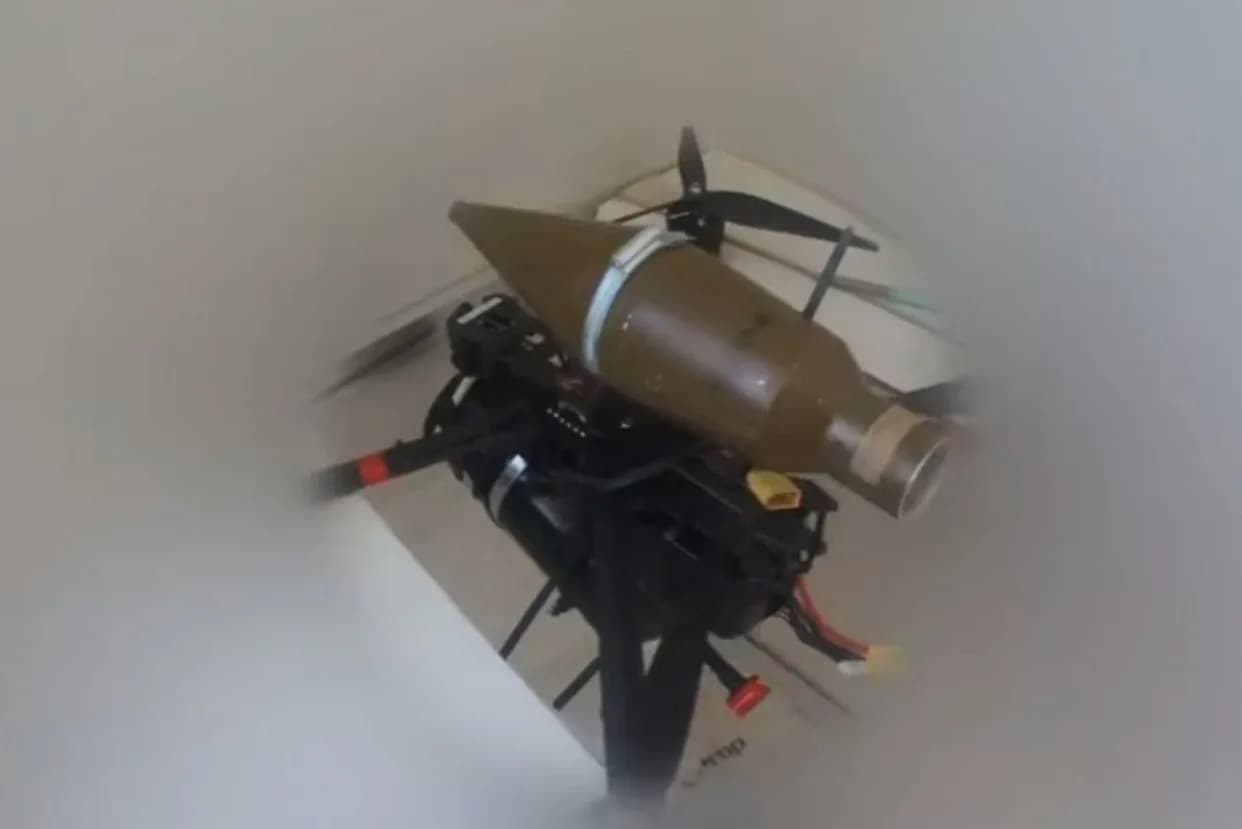
A Hezbollah fighter prepares an FPV (first-person view) drone fitted with a PG-7 warhead at an undisclosed location, in this image released via the group’s media outlets [Social media]
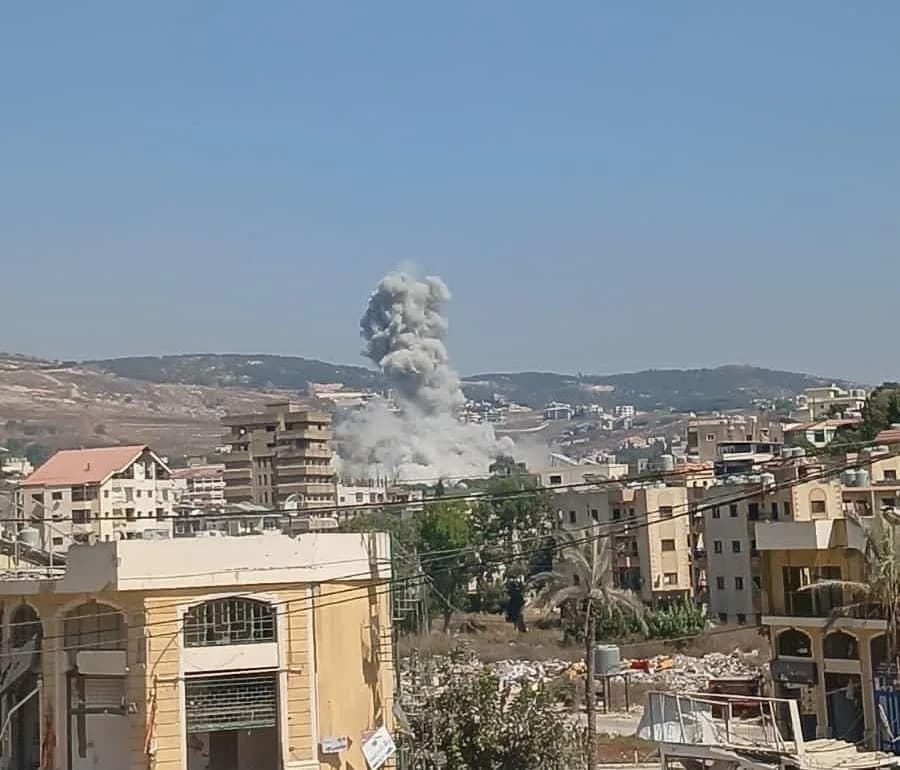
In the skies above the Lebanese town of Taybeh, a single spool of fibre‑optic cable reportedly outmaneuvered Israel’s multibillion‑dollar defence systems, according to the Israeli daily Yedioth Ahronoth (Ynet).
As an Israeli medevac helicopter raced to evacuate soldiers wounded in a drone strike, another unmanned aerial vehicle (UAV) closed in on the scene. With electronic countermeasures failing to register or jam the approach, troops on the ground were forced to fire small arms at the incoming machine before it detonated just metres away.
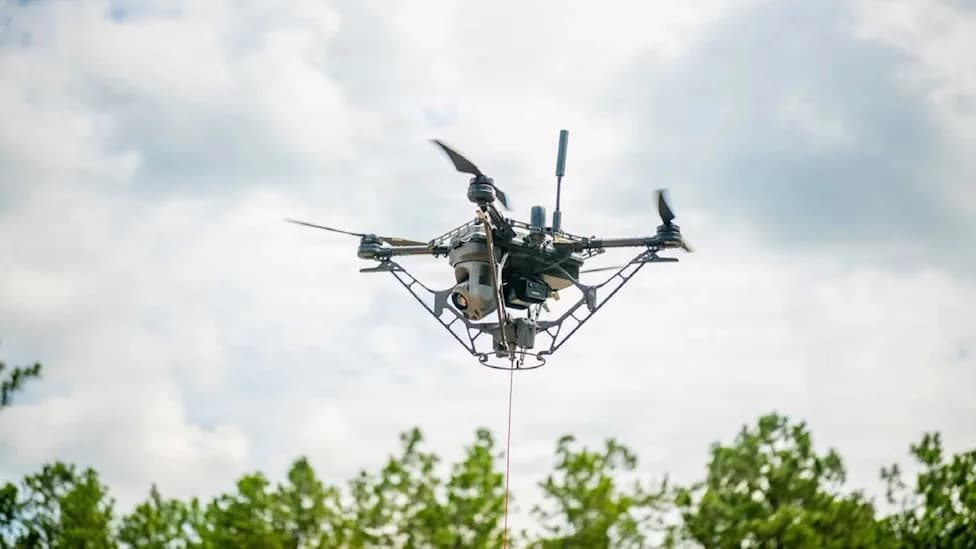
What’s different about these drones? Hezbollah has begun deploying first‑person‑view (FPV) attack drones tethered to their operators by a thin fibre‑optic cable rather than relying on radio or satellite links. The tether — reported to extend roughly 10–30 km (6.2–18.6 miles) — carries an uncompressed, high‑resolution video feed, enabling operators to manually steer drones with precision.
Because there is no wireless transmission to intercept, these UAVs are largely immune to Israel’s advanced electronic warfare (EW) jamming systems. Built from lightweight fibreglass, the craft give off minimal thermal and radar signatures, making them difficult to detect with conventional early‑warning sensors.
“These characteristics render conventional early‑warning radars blind to the threat,” military analyst Hassan Jouni told reporters.
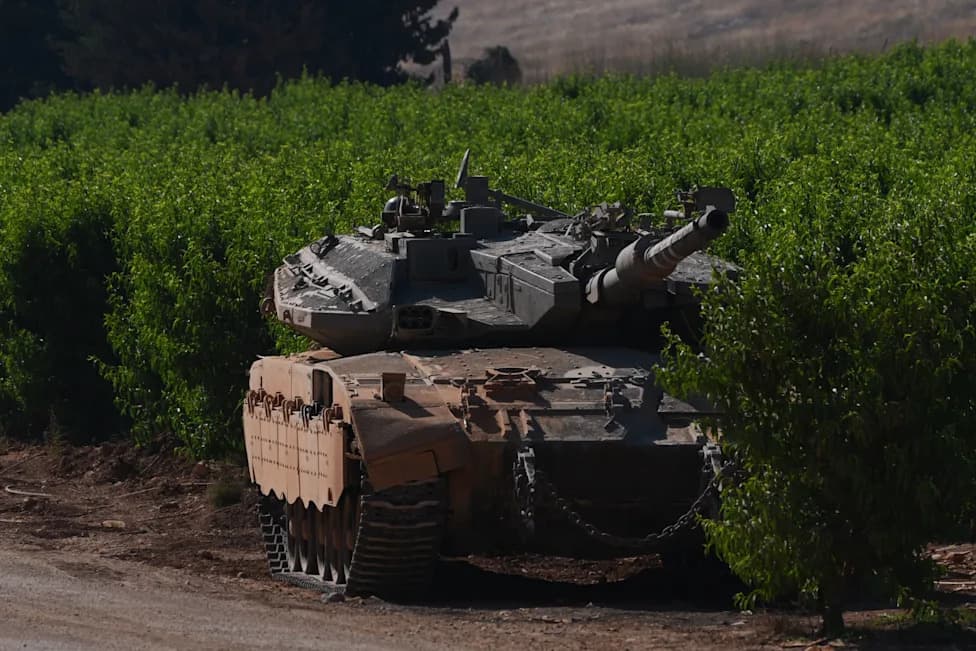
Ynet and military correspondent Doron Kadosh report that the drones have even bypassed the Trophy active protection system used on Israeli Merkava tanks, which is designed to detect and intercept incoming munitions. Equipped with high‑resolution cameras that stream directly down the fibre, operators can steer explosives toward vehicle weak points such as turrets or tracks.
The tactic’s lethality was illustrated in the Taybeh incident, where an explosive‑laden fibre‑optic drone struck an Israeli armoured unit, killing Idan Fooks and wounding six other soldiers, Ynet reported. When a medevac helicopter arrived, two more drones were launched; one detonated within metres of the aircraft.
Front‑line Israeli commanders have expressed deep frustration at the lack of effective countermeasures. “There isn’t much to do about it,” one commander stationed in Lebanon told Kadosh. “The briefing the forces get amounts to: ‘Be alert, and if you spot a drone, shoot at it.’” With no comprehensive military solution available, some units have improvised physical defences such as hanging nets over positions, windows and vehicles in the hope of entangling incoming UAVs.
Officials acknowledge that similar tethered‑drone tactics were seen in the Russia‑Ukraine war and during the October 7, 2023 Gaza attacks, yet Israel entered the campaign without a ready, scalable countermeasure.
Strengths and limitations
Hezbollah’s approach offers a low‑cost, precise alternative to conventional anti‑tank missiles: the drones are inexpensive to produce, can be fitted with anti‑armour shaped charges, and can be guided visually to vulnerable points. But the technology has weak points. Analyst Nidal Abu Zaid noted that fibreglass hulls are sensitive to bad weather — heavy rain and strong winds can degrade performance — and the thin fibre cable can snap if the drone strikes trees or dense vegetation.
Despite Israel’s aerial superiority, ground forces now face an asymmetric challenge: highly trained troops countering a low‑cost, hard‑to‑detect drone with rifles, nets and improvised measures. The development underscores an urgent need for new detection and defeat strategies tailored to tethered, low‑signature threats.
Sources
Reporting by Ynet and correspondent Doron Kadosh; commentary from military analysts Hassan Jouni and Nidal Abu Zaid.
Help us improve.