Summary: Taiwan, officially the Republic of China, runs its own government, military, passport and currency and therefore functions as a de facto independent state. Only a small number of countries maintain formal diplomatic ties, while most democracies keep close unofficial relations. A formal switch to a "Republic of Taiwan" would require a difficult constitutional process and a referendum, and Beijing's 2005 Anti-Secession Law gives it a stated legal basis to use force if Taiwan secedes.
Explainer: What 'Taiwan Independence' Means — Is Taiwan Already Independent Ahead of the Trump–Xi Summit?
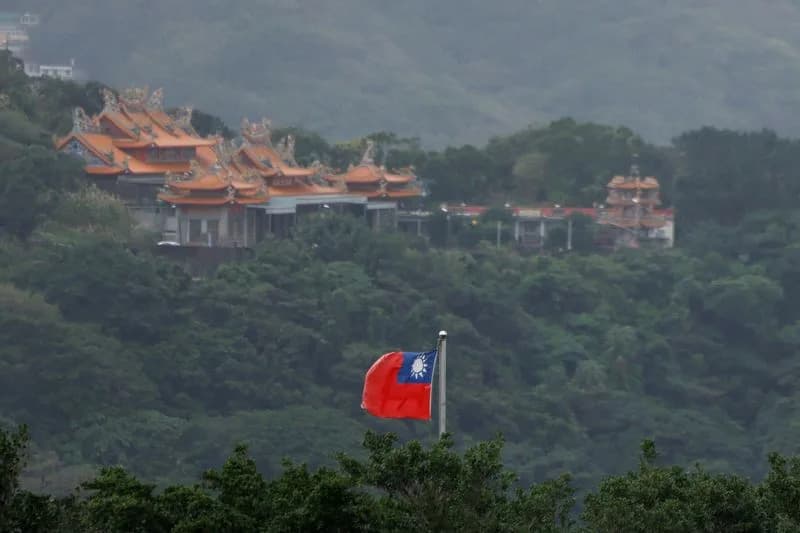
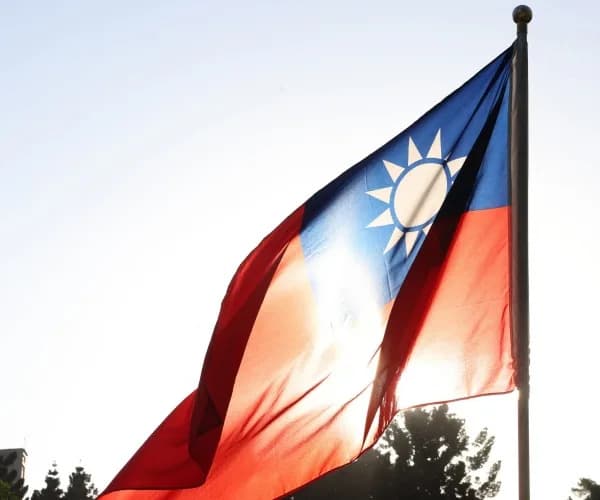
FILE PHOTO: A Taiwan flag flutters in Keelung, as China conducts "Justice Mission 2025" military drills around Taiwan, in Keelung, Taiwan, December 30, 2025. REUTERS/Ann Wang/ File Photo
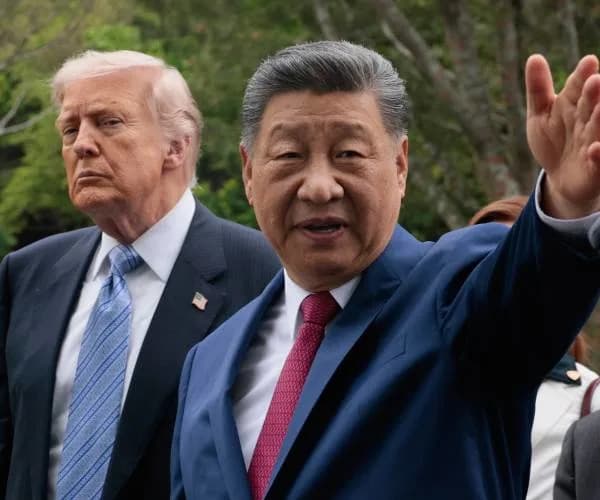
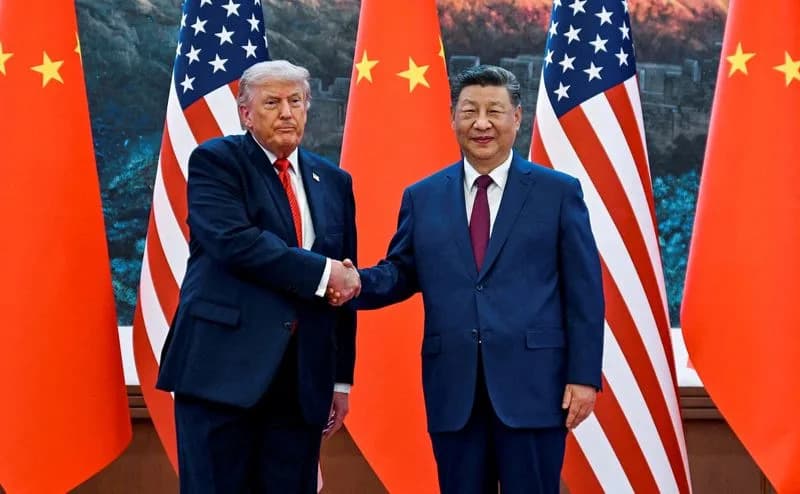
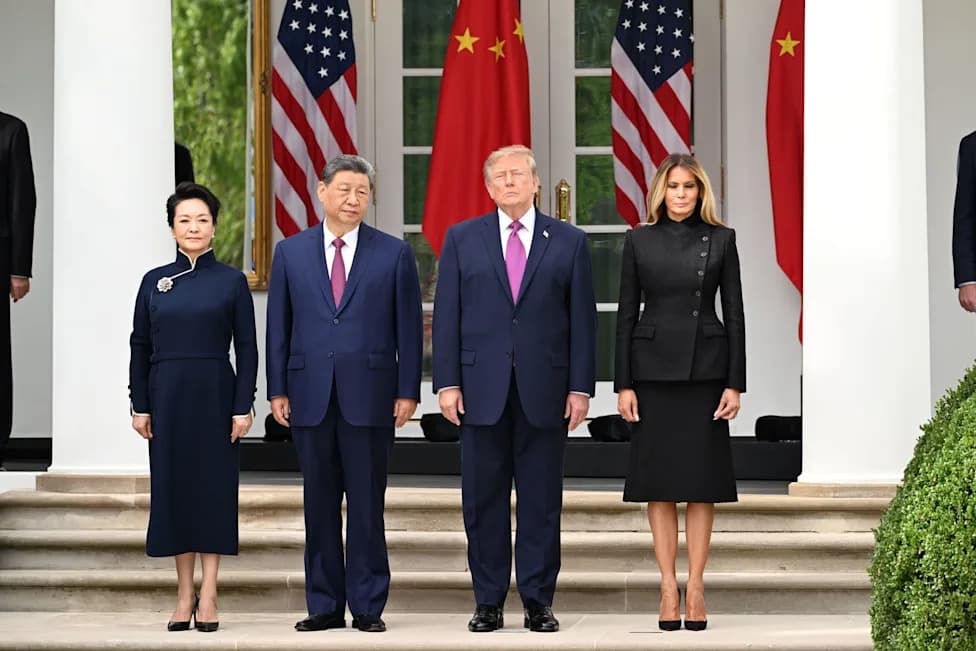
U.S. President Donald Trump and Chinese President Xi Jinping are set to meet in Beijing, and Taiwan's status is expected to be a key topic. This explainer outlines what people mean by "Taiwan independence," how Taiwan is governed today, and the legal and political constraints that shape the island's future.
How Did Taiwan Become What It Is Today?
The island long known as Formosa has been inhabited by indigenous peoples for millennia. European powers briefly established outposts there in the 1600s. In 1684 the Qing dynasty incorporated Taiwan into Fujian province and made it a separate province in 1885. After the Qing lost a war to Japan, Taiwan became a Japanese colony in 1895 and remained so until 1945, when control was transferred to the Republic of China (ROC) at the end of World War II.
In 1949, following defeat by Mao Zedong's Communist forces on the mainland, the ROC government retreated to Taiwan and established its seat there. The government on the island still uses the official name "Republic of China." The People's Republic of China (PRC), founded by Mao, claims to be the sole legitimate government of all China, including Taiwan.
What Is Taiwan's International Status?
Diplomatic recognition shifted in 1971 when the PRC took the China seat at the United Nations under UN Resolution 2758. Today only about a dozen countries maintain formal diplomatic ties with Taipei, mostly small states. Nevertheless, many major democracies and U.S. allies keep close unofficial relations with Taiwan: they accept ROC passports, maintain de facto embassies, and have robust trade and security ties.
The United States severed formal diplomatic relations with Taipei in 1979 but continues to support Taiwan's self-defense under the Taiwan Relations Act. Officially, U.S. policy is one of "strategic ambiguity" — recognising the PRC diplomatically while not taking a formal position on Taiwan's sovereignty.
De Facto Independence: What Does Taiwan Actually Do?
In practical terms, Taiwan functions as a de facto independent state. It elects its own leaders, controls a clearly defined territory, maintains its own military, issues passports, and manages its own currency and domestic affairs. Most countries, however, do not grant it formal sovereign recognition.
Could Taipei Declare A "Republic Of Taiwan"?
A formal change of name or outright declaration of independence would be difficult. Under Taiwan's legal framework such a change would require a constitutional amendment passed by a supermajority in parliament (at least 75% approval) and then ratification by referendum. Politically, the ruling Democratic Progressive Party (DPP) and the main opposition Kuomintang (KMT) are currently evenly matched in the legislature, and the KMT opposes renaming the state.
What Has Taiwan's President Said?
President Lai Ching-te has described himself previously as a "practical worker for Taiwan independence," a phrase he says meant asserting that Taiwan already operates independently. Since taking office in 2024, Lai has said the ROC and PRC are "not subordinate to each other," language that Beijing interprets as pushing an independence narrative. Beijing labels Lai a "separatist."
Does China Have A Legal Basis To Prevent Formal Independence?
China's National People's Congress passed the Anti-Secession Law in 2005. The law authorizes the use of "non-peaceful means" if Taiwan formally secedes or if peaceful reunification becomes impossible. The text is broadly worded and leaves many practical questions open, but it provides Beijing with a stated legal justification for force in certain scenarios.
How Do International Laws And Opinions Factor In?
Beijing points to UN Resolution 2758 to argue the international community recognises the PRC as the sole representative of China; Taipei counters that the resolution does not explicitly address Taiwan's political status. The U.S. State Department has warned against mischaracterising the resolution to isolate Taiwan politically. Public opinion in Taiwan consistently shows strong support for maintaining the status quo rather than rushing toward formal unification or a unilateral declaration of independence.
Bottom Line: Taiwan operates independently in most practical respects, but formal independence would trigger complex legal, political and security consequences involving Taiwan, China, and external powers — making any unilateral move highly fraught.
Help us improve.