Hospital CEOs from major systems defended higher outpatient prices at a House Ways and Means Committee hearing after Republican members accused hospitals of overcharging patients through inflated facility fees. Studies cited during testimony show hospitals made up about $1.6 trillion — nearly one-third — of U.S. health spending in 2024 and that patients often pay more when physicians are hospital-employed. Executives argued higher charges offset low government reimbursements, the cost of treating sicker patients and a legal duty to treat all. Democrats criticized the hearing as a distraction from recent Medicaid cuts in a broader policy bill.
Hospital CEOs Defend Higher Patient Charges Amid Congressional Scrutiny
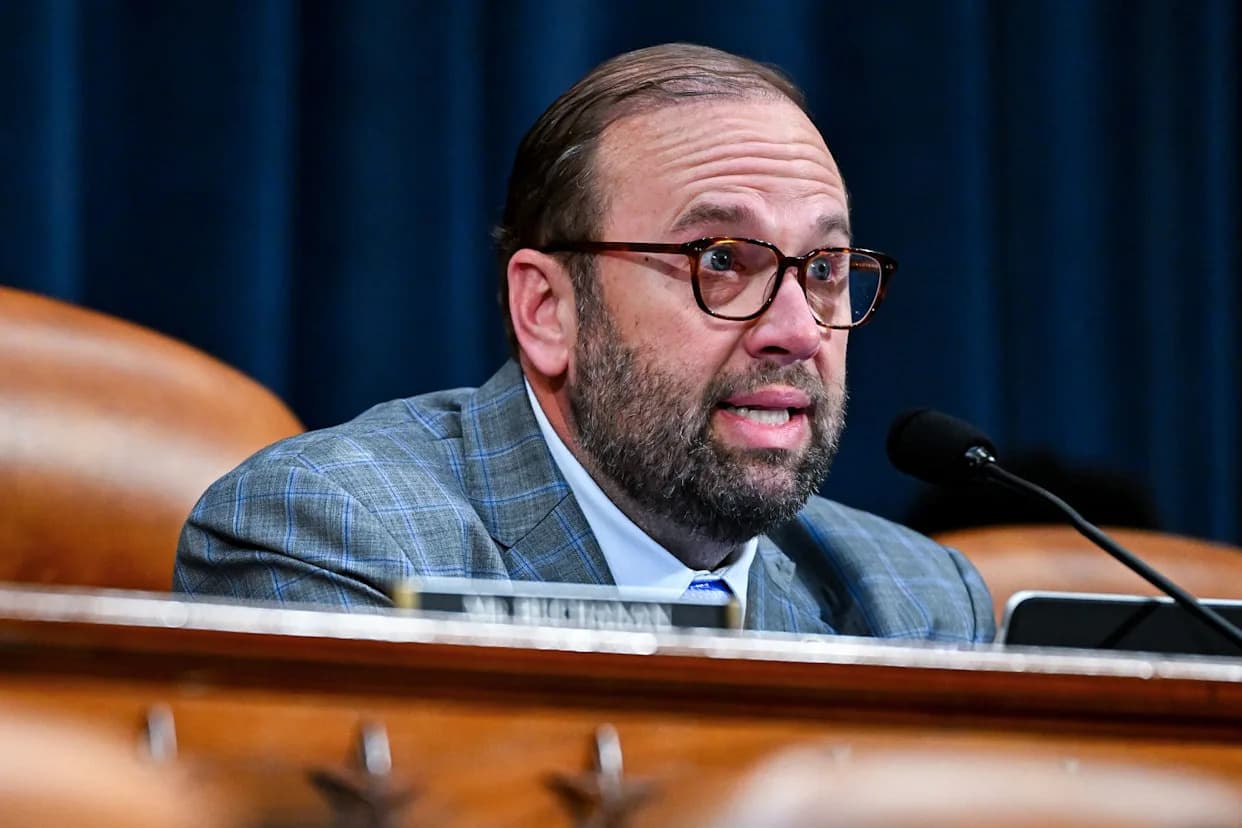
Rep. Jason Smith, R-Mo., chair of the House Ways and Means Committee. (Graeme Sloan / Bloomberg via Getty Images)(Graeme Sloan)
Hospital chief executives faced intense questioning at a House Ways and Means Committee hearing as Republican members accused hospitals of overcharging patients and exploiting so-called "facility fees" to raise outpatient prices.
What Happened
Executives from HCA Healthcare, CommonSpirit Health, New York-Presbyterian and ECU Health testified about their pricing practices, including why hospitals sometimes bill more for the same services than independent physician practices or ambulatory centers.
Republican lawmakers pointed to data showing hospitals accounted for nearly one-third of U.S. health-care spending in 2024 — about $1.6 trillion, according to Health Affairs — and cited a JAMA Health Forum analysis finding that patients often pay higher prices when a doctor is employed by a hospital system or a private equity-backed practice.
Facility Fees Under Fire
Republicans singled out "facility fees," charges that are intended to help cover overhead such as staff, equipment and facility maintenance but are not directly tied to the medical service itself. Rep. David Kustoff (R-Tenn.) contrasted an independent ambulatory surgical center that billed a $656 facility fee for a colonoscopy with an unnamed hospital outpatient site that charged $1,222.
“Is a 100% increase in the fee that you charge versus the surgical center — does that seem reasonable to you?”
Rep. Greg Steube (R-Fla.) pressed executives on why hospital-owned outpatient clinics can charge significantly more when the care and quality appear comparable to physician-owned clinics.
Hospitals’ Defense
The hospital leaders pushed back, arguing that higher charges often reflect a combination of factors: Medicare and Medicaid reimbursements that are frequently below the actual cost of care, the expense of treating more complex and sicker patients, investments in quality and safety, and a legal and ethical obligation to provide care to all patients regardless of ability to pay.
“We’re the only participants in the healthcare value chain that have that obligation. Doctors, nurses, insurance companies, drug companies do not,”
said Michael Waldrum, CEO of ECU Health.
Political Context
Democratic members of the committee were less aggressive in attacking hospital pricing and accused Republicans of using the hearing to deflect attention from recent Medicaid reductions included in last year’s broader domestic policy bill. Rep. Lloyd Doggett (D-Texas) called it "more a deflection hearing than a hospital hearing," and Rep. Richard Neal (D-Mass.), the committee's ranking member, argued that policy choices — not only provider behavior — help drive higher health costs.
The hearing highlighted a broader debate over transparency, payment policy and whether federal or state action is needed to limit or regulate facility fees and price variation across care settings.
Bottom line: Lawmakers from both parties continue to push for better explanations of hospital charges and for remedies that could include increased price transparency, payment reform, or limits on facility fees, while hospitals emphasize the financial and statutory pressures that shape their pricing.
Help us improve.