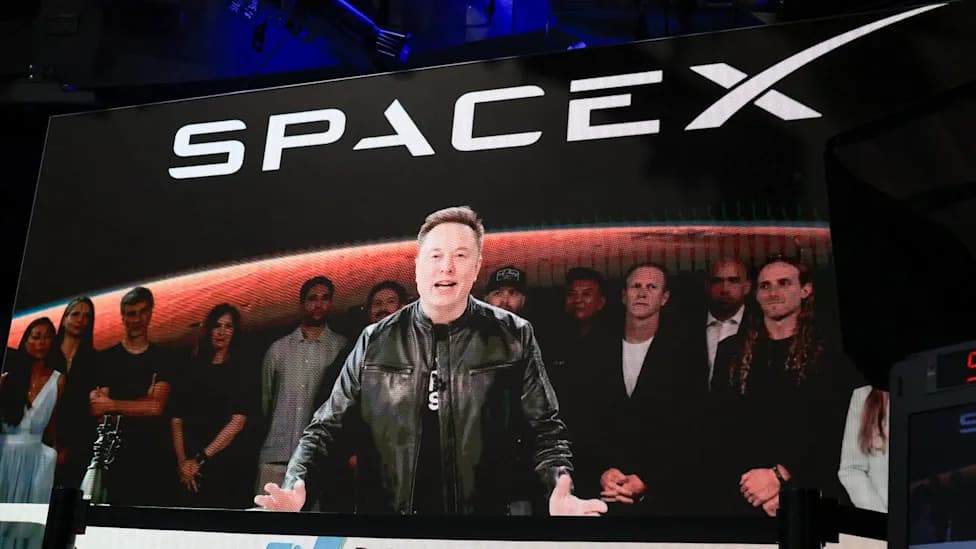
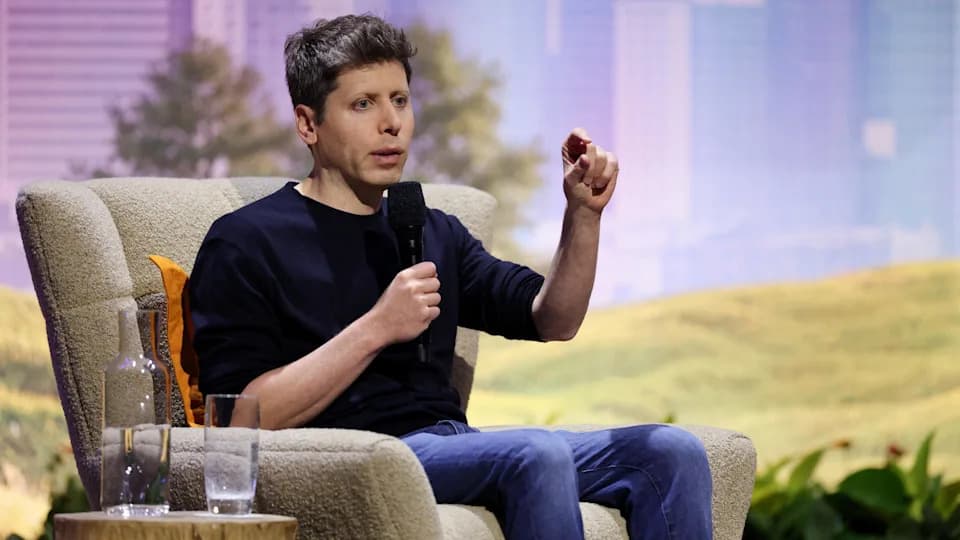
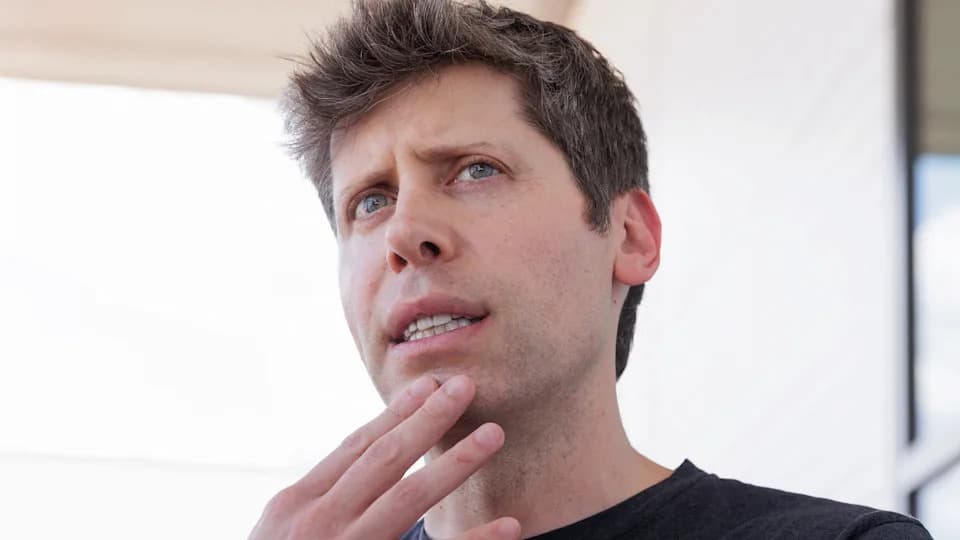
Elon Musk and Sam Altman appeared for opening statements Tuesday in an Oakland federal trial stemming from a bitter split that could shape the future of artificial intelligence. A jury was selected Monday, and the trial is expected to run about three weeks. Testimony is expected to probe allegations that OpenAI shifted from an altruistic startup to a commercial venture (reported valuation roughly $852 billion), with Musk, Altman and Microsoft CEO Satya Nadella among those expected to testify.
Musk and Altman Face Off in Oakland Trial That Could Reshape the Future of AI
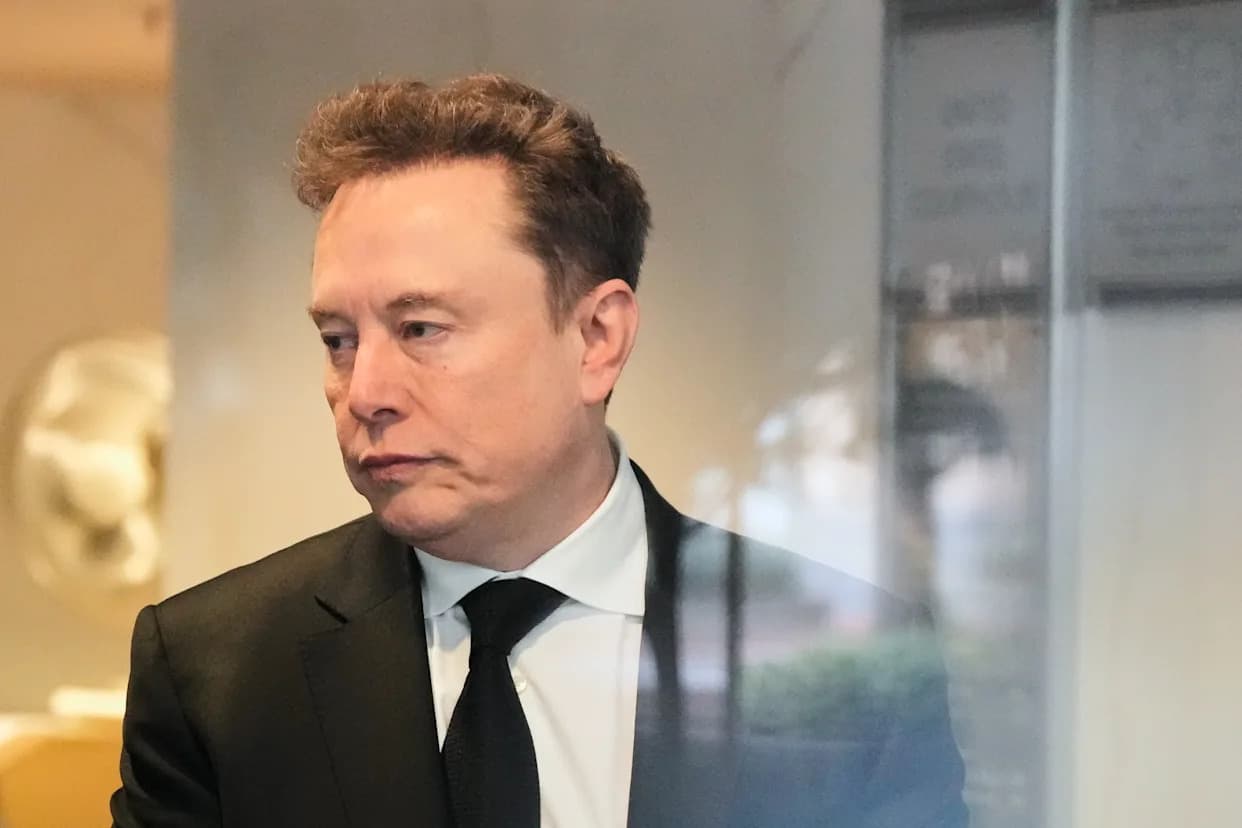
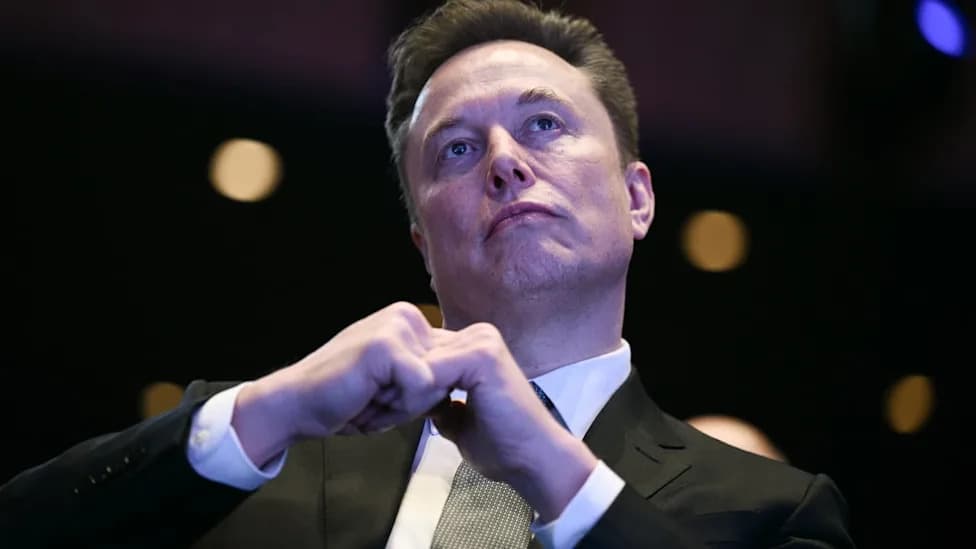
Elon Musk arrives at the U.S. District Court in Oakland, Calif., Tuesday, April 28, 2026. (AP Photo/Godofredo A. Vásquez)
OAKLAND, Calif. — Elon Musk and Sam Altman, co‑founders of OpenAI, appeared for opening statements Tuesday in a high‑stakes federal trial rooted in a bitter falling‑out that could influence the direction of artificial intelligence development and governance.
The courtroom drama began after a jury was selected Monday; the proceedings are scheduled to last about three weeks. Early appearances by the two tech leaders set the stage for testimony expected to be rich in disputed facts, internal communications and contentious claims about the company’s evolution.
Prosecutors and defense attorneys will outline competing narratives before witness testimony begins. According to the filings and pretrial reporting, Musk’s expected testimony will describe a narrative of alleged betrayal, deception and ambition that critics say prompted OpenAI to shift from its founding, more altruistic mission to a commercial venture now reported to be valued at roughly $852 billion.
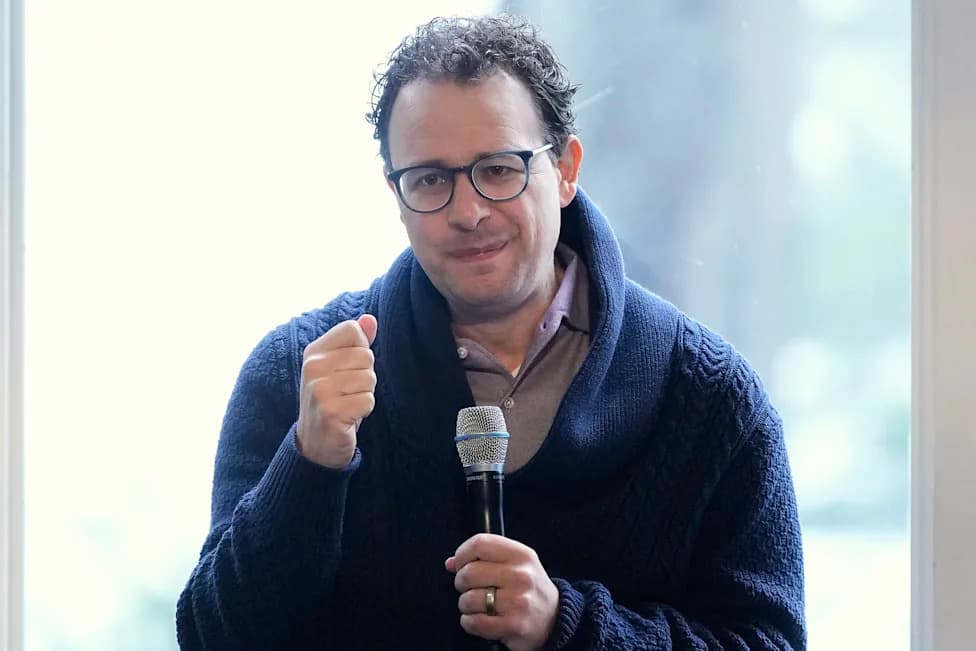
Sam Altman, OpenAI’s CEO, is also expected to take the stand, as is Microsoft CEO Satya Nadella, a key investor whose company helped bankroll the late‑2022 release of ChatGPT. That release is widely credited with accelerating the current AI boom and sparking intense industry and market interest.
What’s At Stake
Beyond the personal feud between two of tech’s most prominent figures, the trial could surface details about decision‑making, investor influence and governance choices at one of the industry’s most consequential organizations. The outcome may affect how startups structure oversight, how investors engage with AI developers, and how the broader public assesses the priorities guiding advanced AI projects.
Note: Financial figures cited in coverage — including reported company valuations and estimated personal fortunes — are drawn from pretrial reporting and public estimates.
Help us improve.