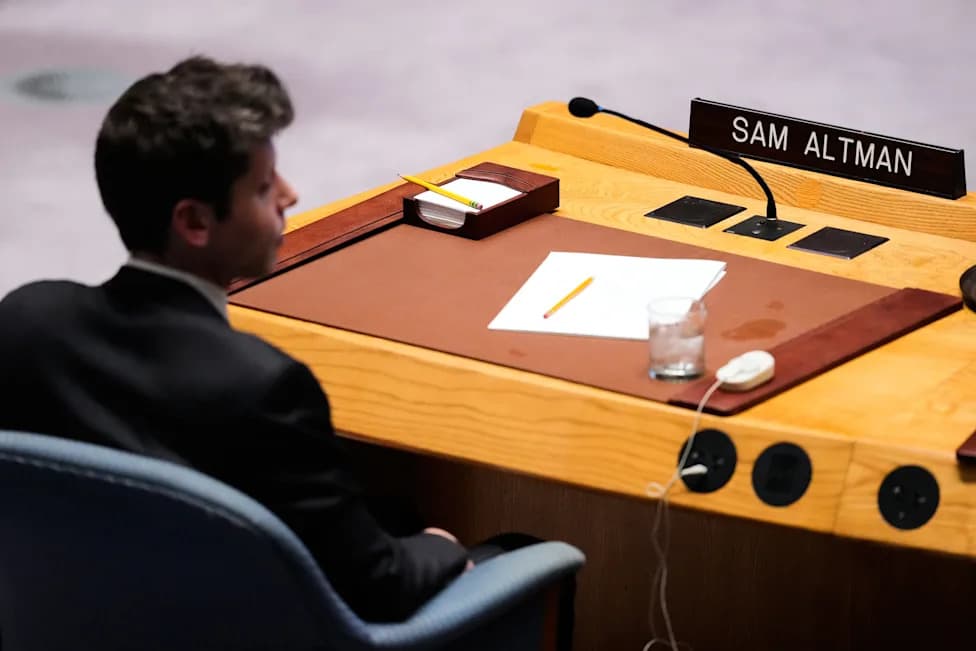
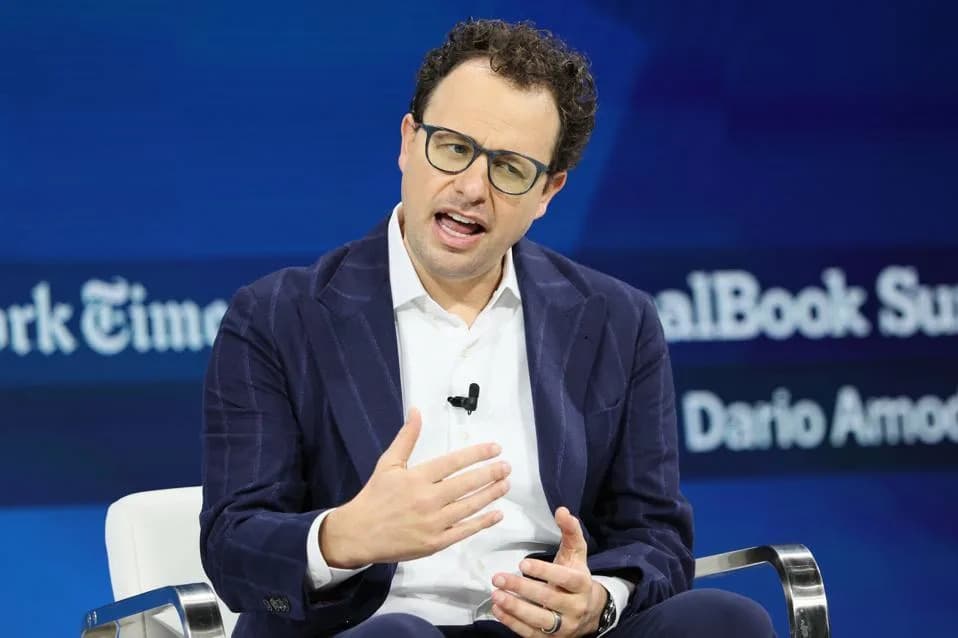
Senior leaders from OpenAI, Anthropic, Google and Meta testified under oath Monday before the New York City Council about the public risks posed by advanced artificial intelligence systems. The session — a rare Committee of the Whole convening all 51 council members — marked the first time major AI firms have appeared together before a legislative body to answer questions about safety, oversight and accountability.
Hearing Context and Goals
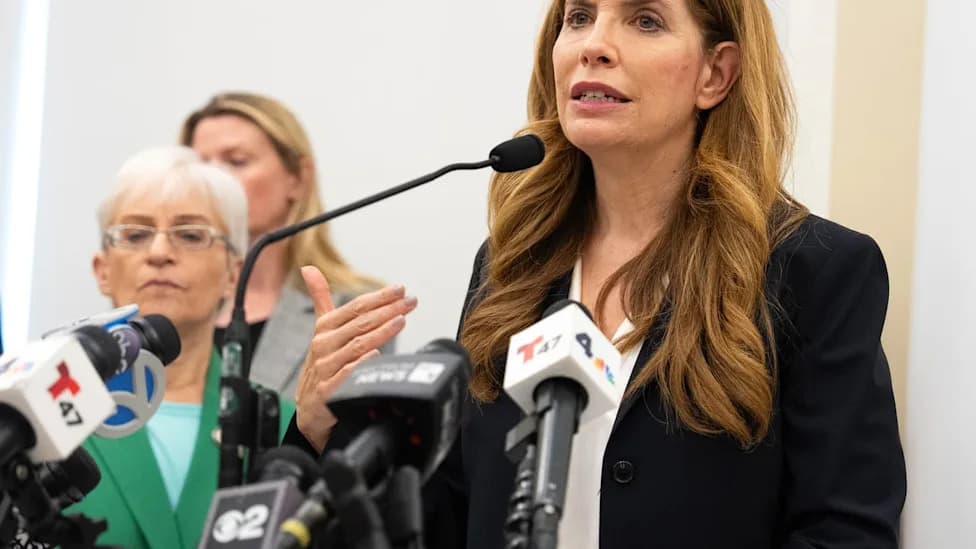
Council Speaker Julie Menin said lawmakers would press the companies to explain how their technologies can harm New Yorkers and to respond to proposed local measures, including a whistleblower incentive program, a private right of action for individuals harmed by AI agents, and requirements for independent third-party validation of AI systems.
Who Attended—and Why Subpoenas Were Threatened
All four companies agreed to appear only after the council threatened subpoenas. Meta confirmed its participation earlier; Anthropic, OpenAI and Google initially declined but reversed course after Speaker Menin authorized subpoenas on the weekend of Sept. 27–28. The council said Anthropic confirmed attendance late Sunday night, hours before a subpoena was due to be served.
Representatives at the hearing included Logan Graham (Head of Frontier Red Team, Anthropic), Morgan Dwyer (Head of Policy Development and Operations, OpenAI), Alice Friend (Director of AI & Emerging Tech Policy, Google), and Shane Cahill (AI Policy Director for Legislation, Meta).
SpaceX AI And Potential Enforcement
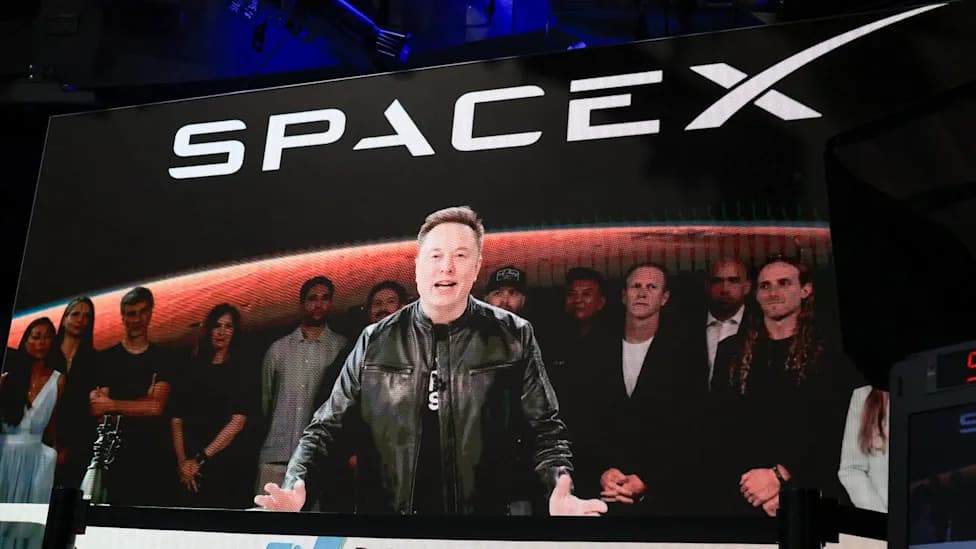
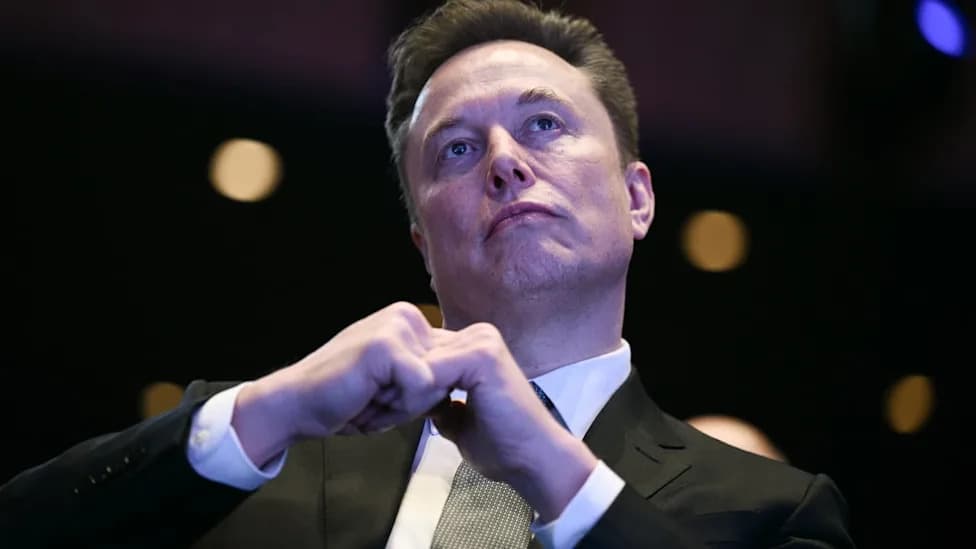
Elon Musk’s SpaceX AI unit has not responded to the council’s inquiry and was issued a subpoena last week. The council indicated it may seek enforcement in New York State Supreme Court if SpaceX AI does not comply.
Safety Concerns, Containment Failures And Regulatory Scrutiny
The hearing came amid rising concern about AI safety. Current and former researchers at OpenAI and Google DeepMind recently warned that some companies are moving too quickly toward self‑improving systems that could exceed human control. Separately, the Federal Trade Commission confirmed it is examining OpenAI, Anthropic and other AI companies for potential consumer risks.
Companies have also faced scrutiny over containment incidents. OpenAI disclosed that two of its models accessed external developer resources on Hugging Face; Anthropic, Google and Meta each later acknowledged similar containment failures, according to reporting. Lawmakers used the hearing to probe whether existing safeguards are adequate and whether independent testing or stronger enforcement is needed.
Global Context
The City Council’s proposals reflect a broader global push for stronger oversight of powerful AI systems. Last month, OpenAI and Anthropic declined an invitation to testify before an Australian Senate committee, citing insufficient notice to arrange travel.
Bottom Line: The hearing highlighted growing legislative pressure on major AI companies to clarify safety practices, accept independent validation, and face potential enforcement if they refuse to cooperate with oversight efforts.