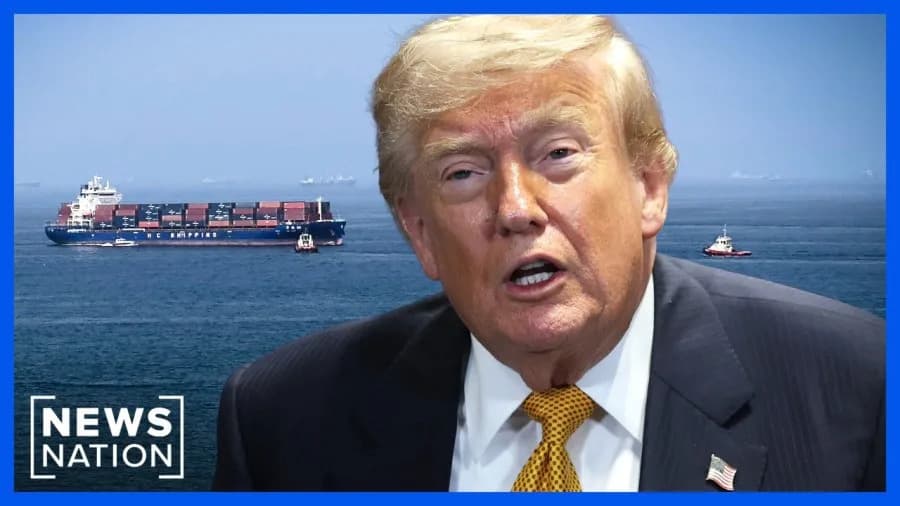
Iran has offered to reopen the Strait of Hormuz if the United States lifts its blockade and the war formally ends, regional officials said. The proposal, delivered to Washington via Pakistan, would postpone talks on Iran’s nuclear program to a later phase and is unlikely to resolve the core disputes that prompted military action. The standoff has pushed Brent crude prices roughly 50% higher and strained Gulf exporters, while mediation efforts continue amid high casualty figures and an extended ceasefire.
Iran Proposes Reopening Strait of Hormuz If U.S. Lifts Blockade and War Ends, Officials Say
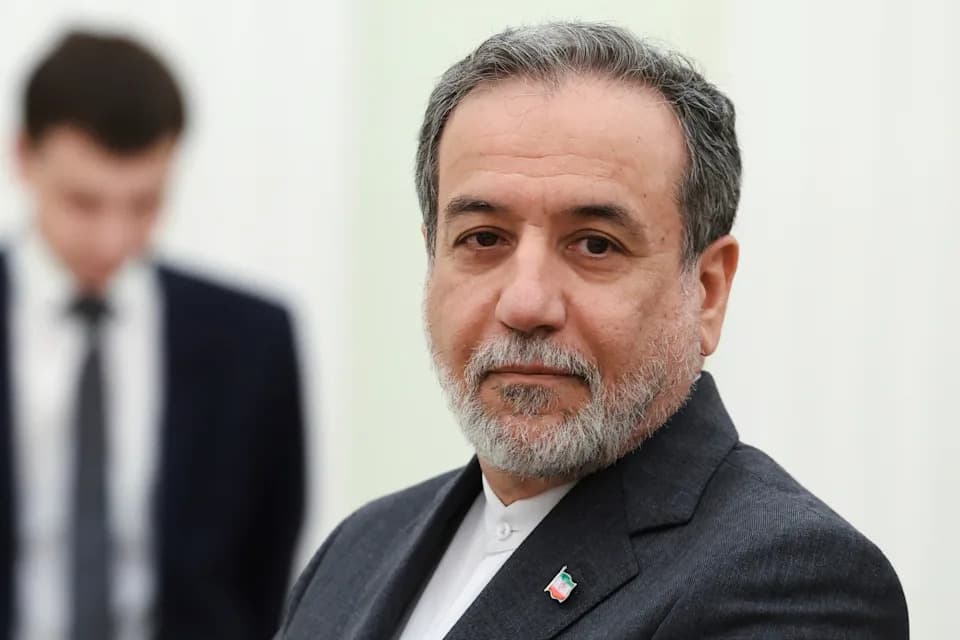
FILE - Iranian Foreign Minister Abbas Araghchi stands waiting to meet Russian President Vladimir Putin for the talks at the Kremlin in Moscow, Russia, June 23, 2025. (Alexander Kazakov/Sputnik, Kremlin Pool Photo via AP, File)(ASSOCIATED PRESS)
Iran has offered to reopen the strategically vital Strait of Hormuz in exchange for a U.S. lifting of its blockade and a formal end to the war, regional officials said. The proposal — relayed to Washington through Pakistan — would postpone talks on Iran’s nuclear program to a later phase, according to officials who spoke on condition of anonymity.
The Offer And How It Reached Washington
Two regional officials told reporters that Tehran’s proposal was passed to U.S. interlocutors via Pakistani mediators. Under the plan, Iran would remove restrictions it has imposed on shipping through the Strait of Hormuz once the United States ends its economic and naval blockade and the conflict is formally concluded. Negotiations over Iran’s nuclear program, the officials said, would be deferred to a subsequent round of talks.
Diplomatic Context And Reactions
Axios first reported the offer. U.S. officials signaled skepticism: the proposal would not immediately resolve the fundamental disputes that prompted U.S. and Israeli military action on Feb. 28. Pakistan-led mediators have been pushing to revive stalled talks, but significant gaps remain. A planned meeting in Islamabad was called off after U.S. envoys’ travel was canceled and talks were suggested to continue by phone.
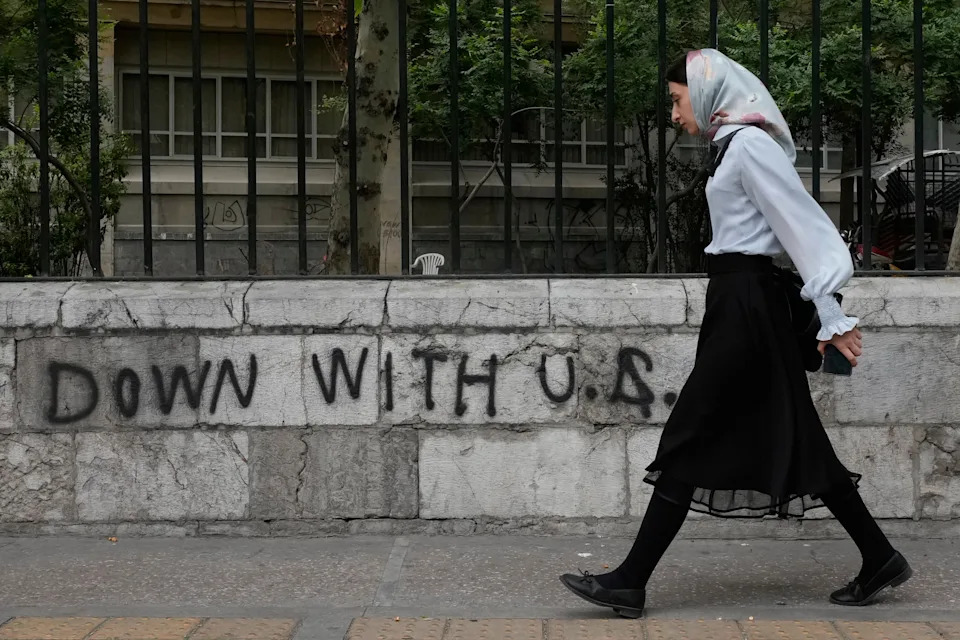
A woman walks past an anti-U.S. graffiti painted on the wall of the Tehran University on Enqelab-e-Eslami (Islamic Revolution) street in downtown Tehran, Iran, Saturday, April 25, 2026. (AP Photo/Vahid Salemi)(ASSOCIATED PRESS)
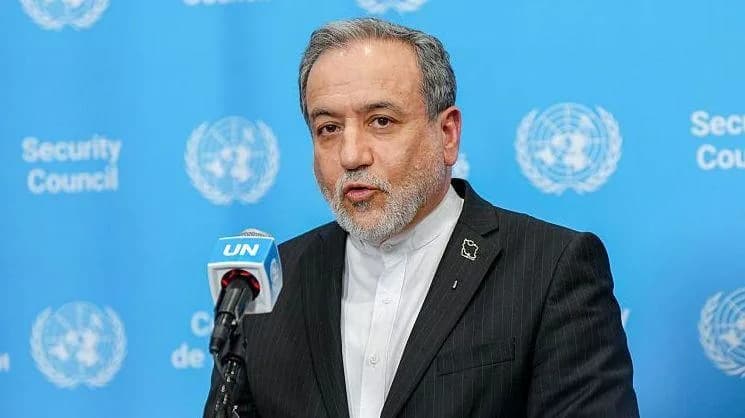
Iran’s foreign minister, Abbas Araghchi, has been shuttling between regional capitals. Iran’s state-run IRNA reported Araghchi arrived in St. Petersburg for meetings with Russian officials, calling the visit “a good opportunity to consult with our Russian friends” about developments in the war. Over the weekend he also visited Pakistan and Oman and held phone calls with counterparts in Qatar and Saudi Arabia.
Economic And Strategic Stakes
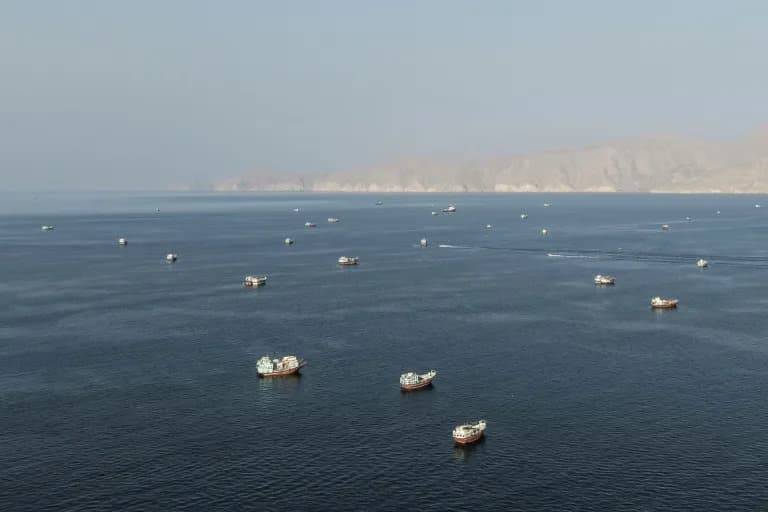
The Strait of Hormuz is the narrow gateway from the Persian Gulf through which roughly one-fifth of the world’s traded oil and gas flows in peacetime. Iran’s ability to restrict passage has become one of its most consequential strategic levers in the conflict. The U.S.-led blockade is intended to prevent Iran from exporting oil, depriving Tehran of critical revenue and potentially forcing production cuts if storage capacity is exhausted.
The standoff has driven energy prices higher and disrupted global supply chains. On Monday, Brent crude — the international benchmark — traded near $108 per barrel, roughly 50% above prewar levels. The closure and delays in the Gulf have also contributed to rising costs for fertilizer, food and other staples.
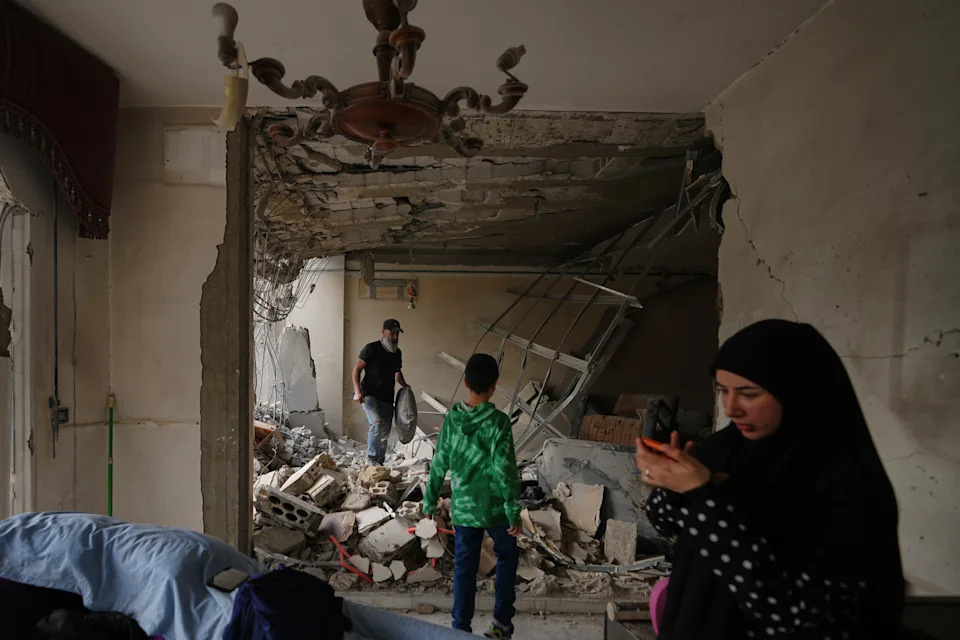
Fadi Al Zein, left, who lost both his homes in Israeli strikes in his village of Khiam and in Dahiyeh, searches through the rubble of his heavily damaged home as a child stands nearby, in Beirut's southern suburbs, Lebanon, Saturday, April 25, 2026. (AP Photo/Hassan Ammar)(ASSOCIATED PRESS)
Nuclear Issue Deferred
The proposal explicitly separates the immediate reopening of the strait from the more contentious question of Iran’s nuclear program. President Trump has repeatedly cited preventing Iran from acquiring nuclear weapons as a primary motive for military action; the U.S. has demanded removal of Tehran’s stockpile of highly enriched uranium, which could be repurposed for weapons if Iran chose to pursue that path. Tehran continues to maintain its nuclear program is peaceful.
Casualties, Ceasefire And Regional Fallout
The fragile ceasefire agreed on April 7 has largely halted open fighting, but a permanent settlement remains elusive. Reported casualties linked to the broader conflict include at least 3,375 dead in Iran and 2,509 in Lebanon, where fighting between Israel and the Iran-backed Hezbollah resumed shortly after the wider war began. Additional reported deaths include 23 people in Israel, more than a dozen in Gulf Arab states, 15 Israeli soldiers in Lebanon, 13 U.S. service members, and six U.N. peacekeepers in southern Lebanon.
The ceasefire between Israel and Hezbollah has been extended by three weeks; Hezbollah has not participated in Washington-brokered diplomacy.
Next Steps
Mediators led by Pakistan are continuing to try to bridge differences between Tehran and Washington. Iran is reportedly seeking support from Oman for a mechanism to collect tolls from vessels transiting the strait — a proposal that could help regulate passage if traffic resumes — though Oman’s response was not immediately clear. It also remains uncertain whether Russia will provide additional assistance to Iran following Araghchi’s visit.
Bottom line: Tehran’s offer to reopen the Strait of Hormuz could provide temporary relief to global energy markets, but core political and security disputes — especially over Iran’s nuclear work — remain unresolved and may prevent a swift diplomatic settlement.
Help us improve.