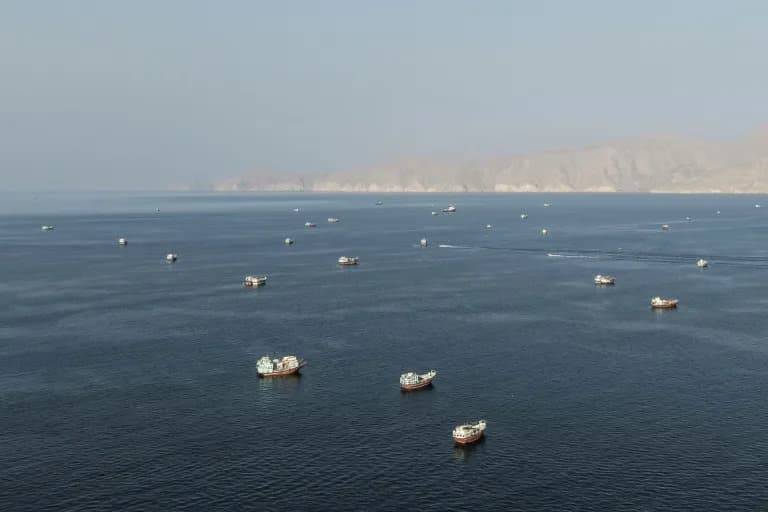
President Trump denied offering Iran any concessions to end a seven-month conflict, disputing reports that the U.S. might ease sanctions or release frozen Iranian funds. Iranian leaders say they are willing to negotiate but reject "bullying or coercion" and have proposed reopening the Strait of Hormuz if sanctions and blockades end. Tehran warned it could target regional oil infrastructure if prevented from exporting crude, while Brent crude climbed to about $107 a barrel amid the tensions.
Trump Denies Offering Iran Concessions as Diplomacy and Oil Tensions Persist
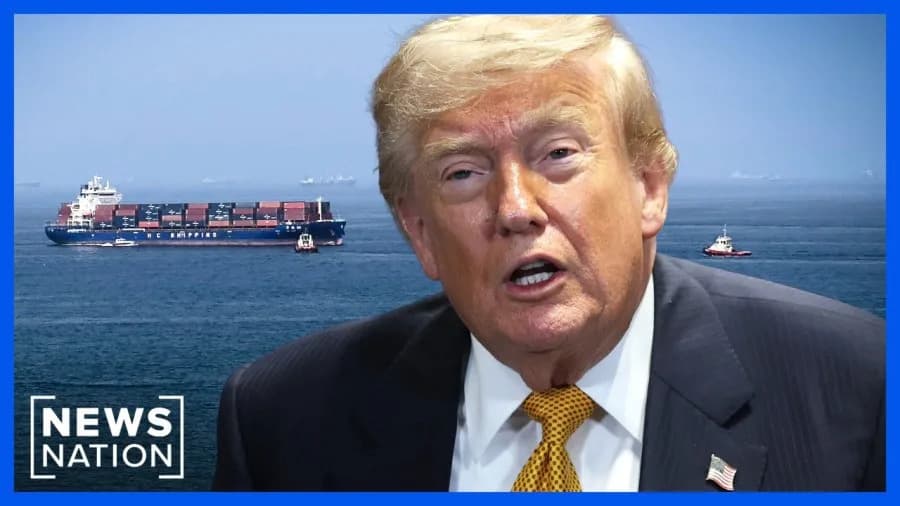
Trump denies offering Iran concessions as diplomacy continues
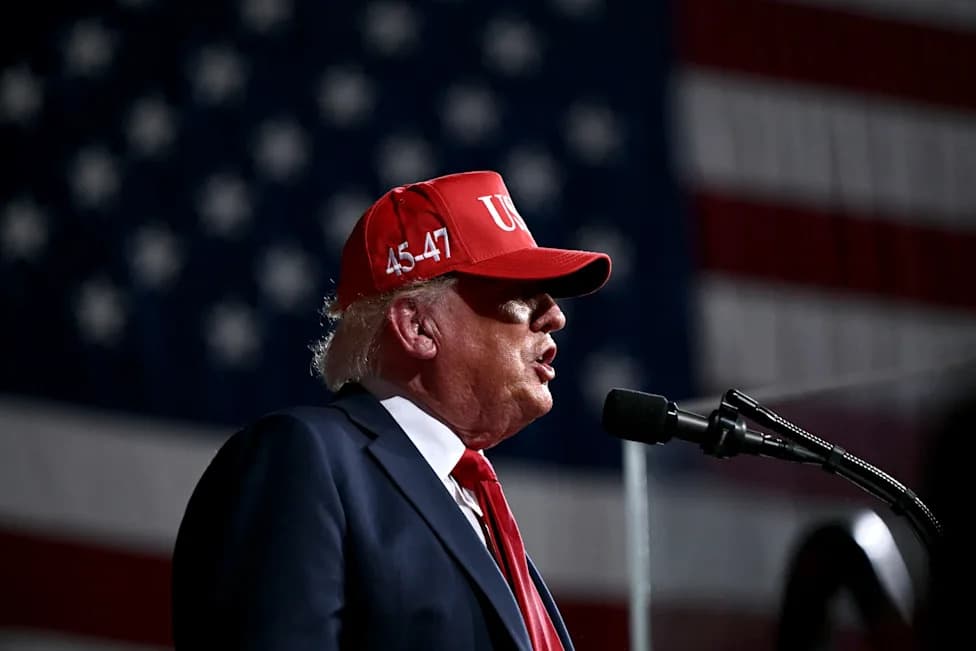
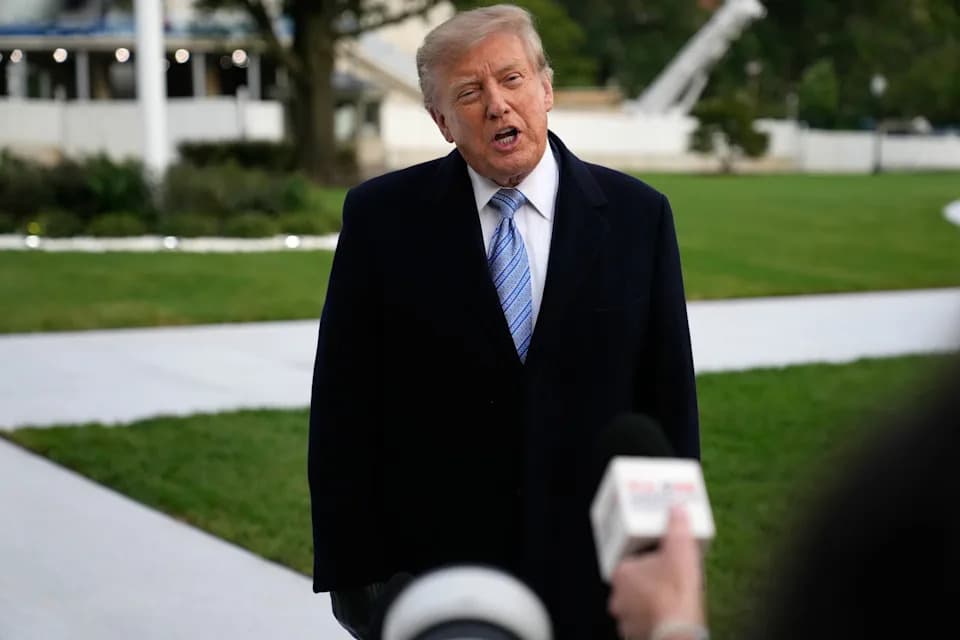
President Donald Trump publicly denied that he offered Iran any concessions to end a seven-month conflict, responding to media reports that his administration might be willing to ease sanctions or release frozen Iranian funds as part of negotiations.
"This is untrue. I offered them NOTHING," Trump wrote on Truth Social.
Reports from Axios and CNN, citing unnamed U.S. officials, said the administration could consider sanction relief and the release of frozen Iranian assets in exchange for concrete, verifiable progress by Iran on its nuclear program. The White House has pushed back on those accounts.
Tehran Says It Will Negotiate — But Not Under Duress
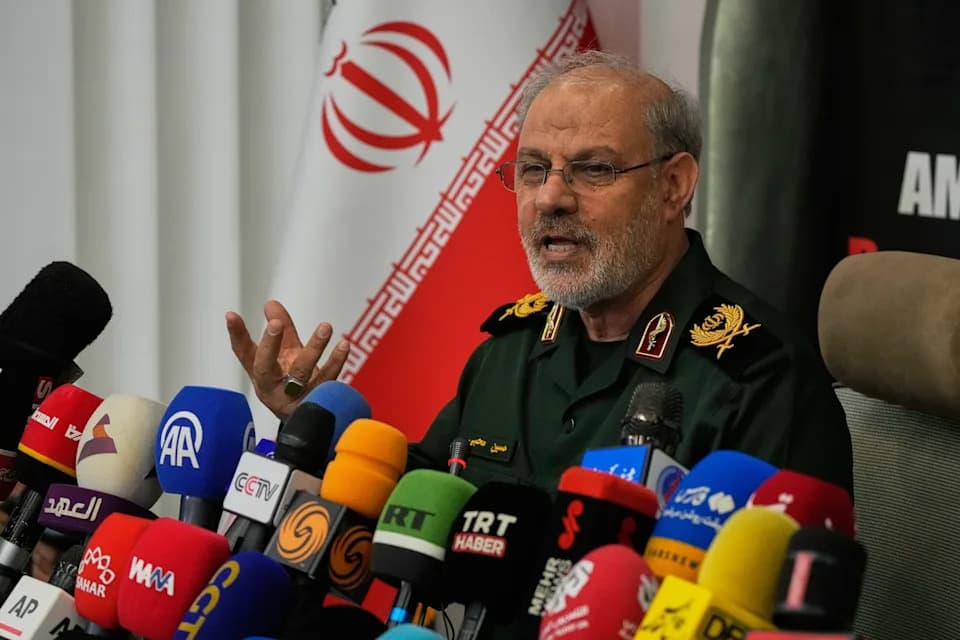
Iranian President Masoud Pezeshkian told reporters that Tehran is prepared to negotiate over its nuclear program and other disputes but will not accept "bullying or coercion." "Iran is not seeking war, but will defend itself against pressure, threats and attacks," Pezeshkian said.
Diplomatic Channels Active, But Gaps Remain
U.S. and Iranian officials held separate talks with mediators on Monday as both sides pursued efforts to restart diplomacy. Foreign Minister Abbas Araqchi outlined a Tehran proposal that he said would allow the Strait of Hormuz to be reopened within seven days if the U.S. halted fighting, lifted its blockade of Iranian ports and released frozen Iranian assets.
Still, obstacles persist. President Trump rejected Iran's ceasefire proposal to reopen the shipping route, and details on what each side would accept remain unclear.
Regional Threats and Market Reaction
Iranian lawmakers warned that Tehran could target regional oil infrastructure if it is prevented from exporting crude. Parliament Speaker Mohammad Bagher Ghalibaf said no country in the region should expect to export oil if Iran is unable to do so, adding that "no infrastructure will remain safe" if Iran's security is not guaranteed.
Markets reacted to the heightened tensions: Brent crude rose for a second straight session on Tuesday, trading around $107 a barrel.
Reporting includes statements from U.S. and Iranian officials and media outlets. Developments remain fluid as mediators continue talks.
Help us improve.