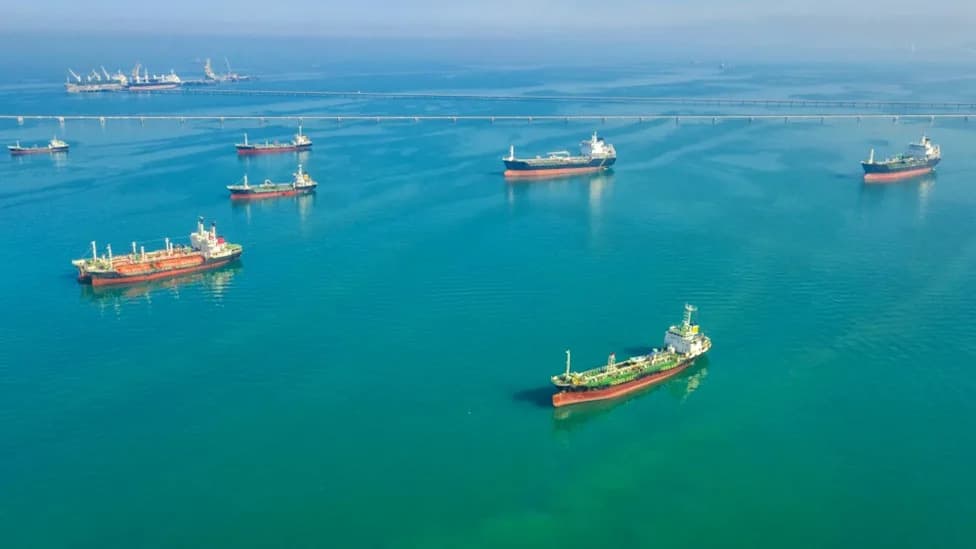
Ship-tracking and satellite data show just seven vessels transited the Strait of Hormuz in the past 24 hours as US–Iran negotiations stall. Traffic remains a small fraction of the roughly 140 daily passages recorded before the conflict began on February 28. The U.S. Central Command says it has redirected 37 vessels since an April 13 blockade, while TankerTrackers.com reports roughly 10.5 million and 4 million barrels of Iranian oil moved through the area in recent days.
Maritime Traffic Through Strait of Hormuz Remains Muted As US–Iran Talks Stall, Data Shows
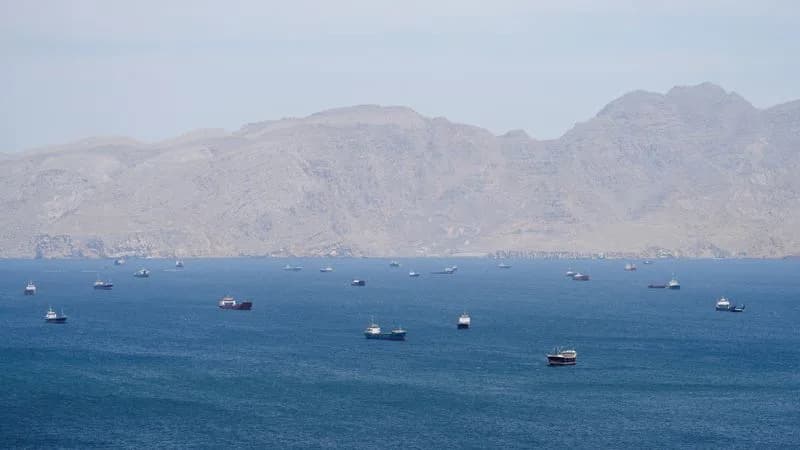
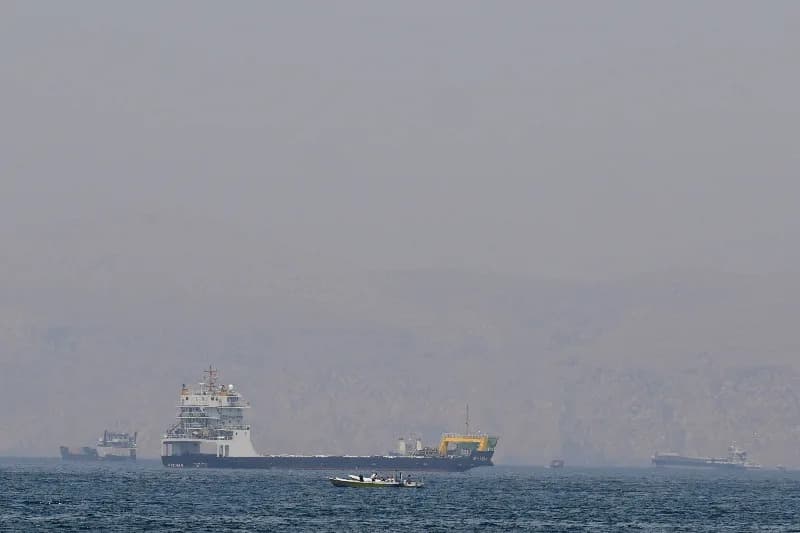
Vessels in the Strait of Hormuz, Musandam, Oman, April 27, 2026. REUTERS/Stringer
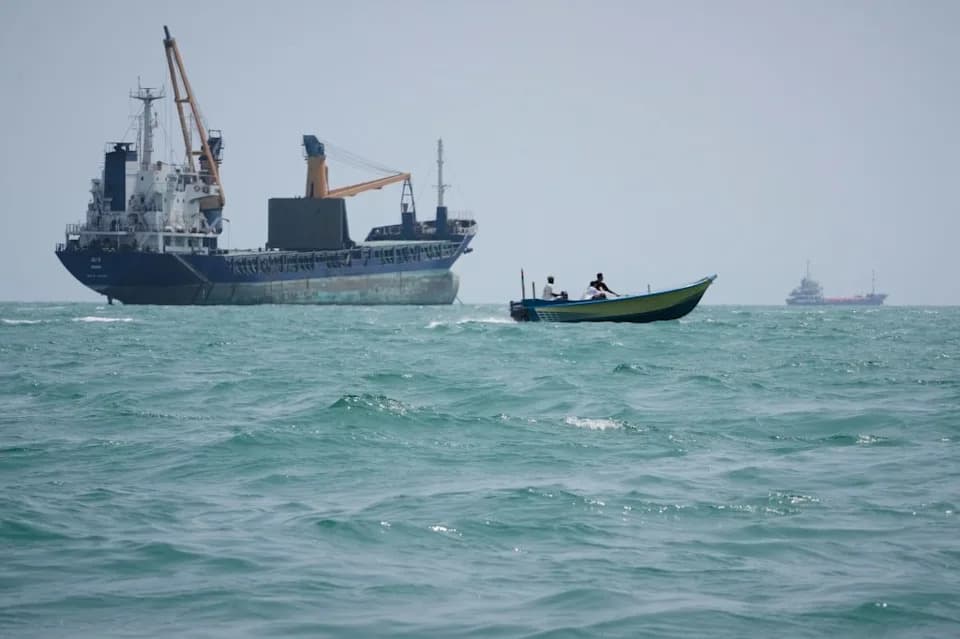
At least seven vessels — mostly dry bulk carriers — transited the Strait of Hormuz in the past 24 hours, continuing a pattern of muted activity, ship-tracking firm Kpler and satellite analysts SynMax reported on Monday. The movements come as diplomatic talks between Iran and the United States remain stalled.
The tracked vessels included departures from Iraqi ports and one dry bulk ship sailing from an Iranian port. Overall traffic through the strategic waterway — a key chokepoint at the entrance to the Gulf — is only a fraction of the roughly 140 daily passages recorded before the Iran war began on February 28.
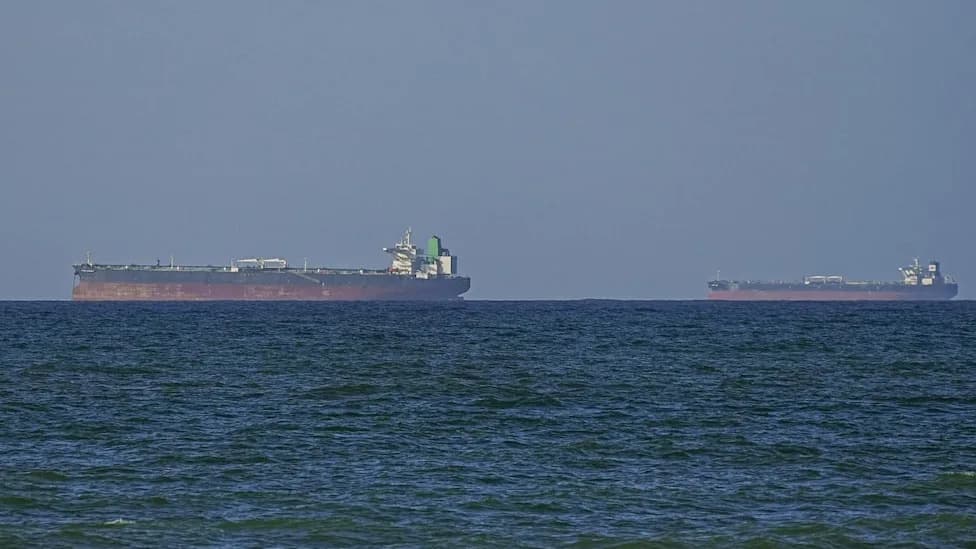
The U.S. Central Command said on April 25 that it has redirected 37 vessels since a blockade on Iran was imposed on April 13. Satellite monitoring by TankerTrackers.com further showed that six Iranian tankers recently returned to Iranian ports and then sailed back through Hormuz carrying about 10.5 million barrels of oil.
Separately, TankerTrackers.com estimated that around four million barrels of Iranian oil aboard tankers passed through the U.S. blockade on April 24. The figures underscore how oil movements continue despite an uneasy ceasefire between Washington and Tehran.
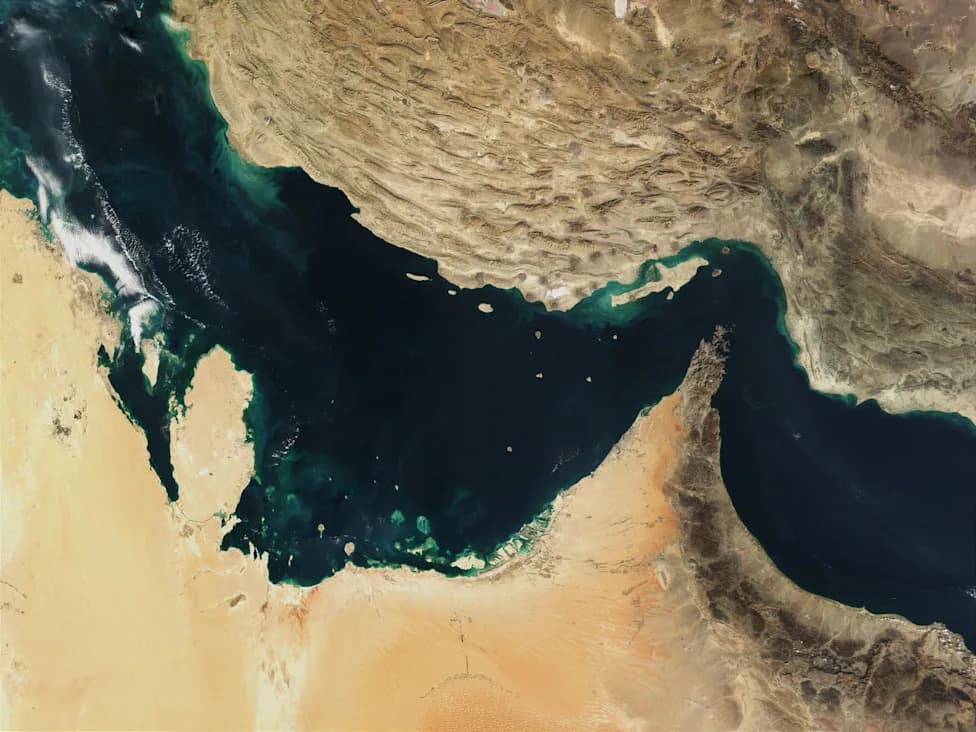
Context: The Strait of Hormuz is one of the world's most important maritime chokepoints for oil and liquefied natural gas shipments. Reduced traffic and naval interdictions have both local and global implications for energy markets and shipping schedules.
Reporting by Jonathan Saul; editing by David Goodman and Bernadette Baum.
Help us improve.