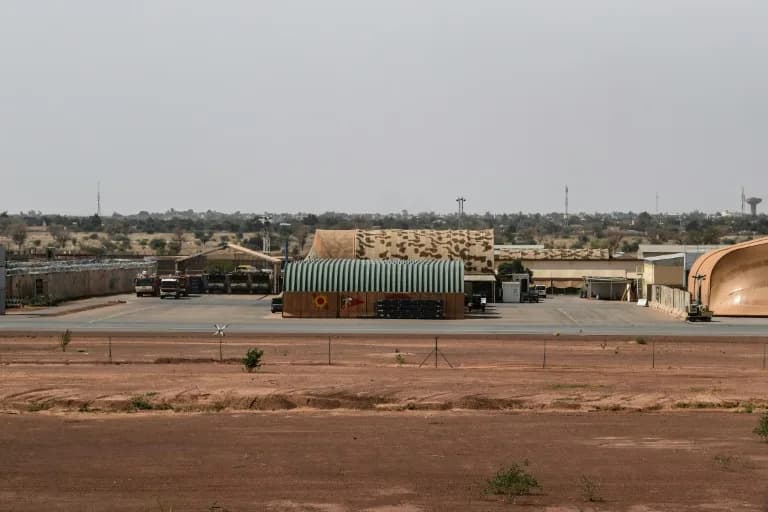
Over the weekend, coordinated assaults by jihadist and separatist fighters swept across Mali, exposing weaknesses in Russia-backed security efforts. Mali’s defense minister was reported killed and Russian mercenaries withdrew from several strategic positions during one of the largest offensives since 2012. Analysts warn that a predominantly military approach, without a political strategy to address root causes, is unlikely to deliver lasting stability.
Major Militant Offensive Tests Russia-Backed Security in Mali
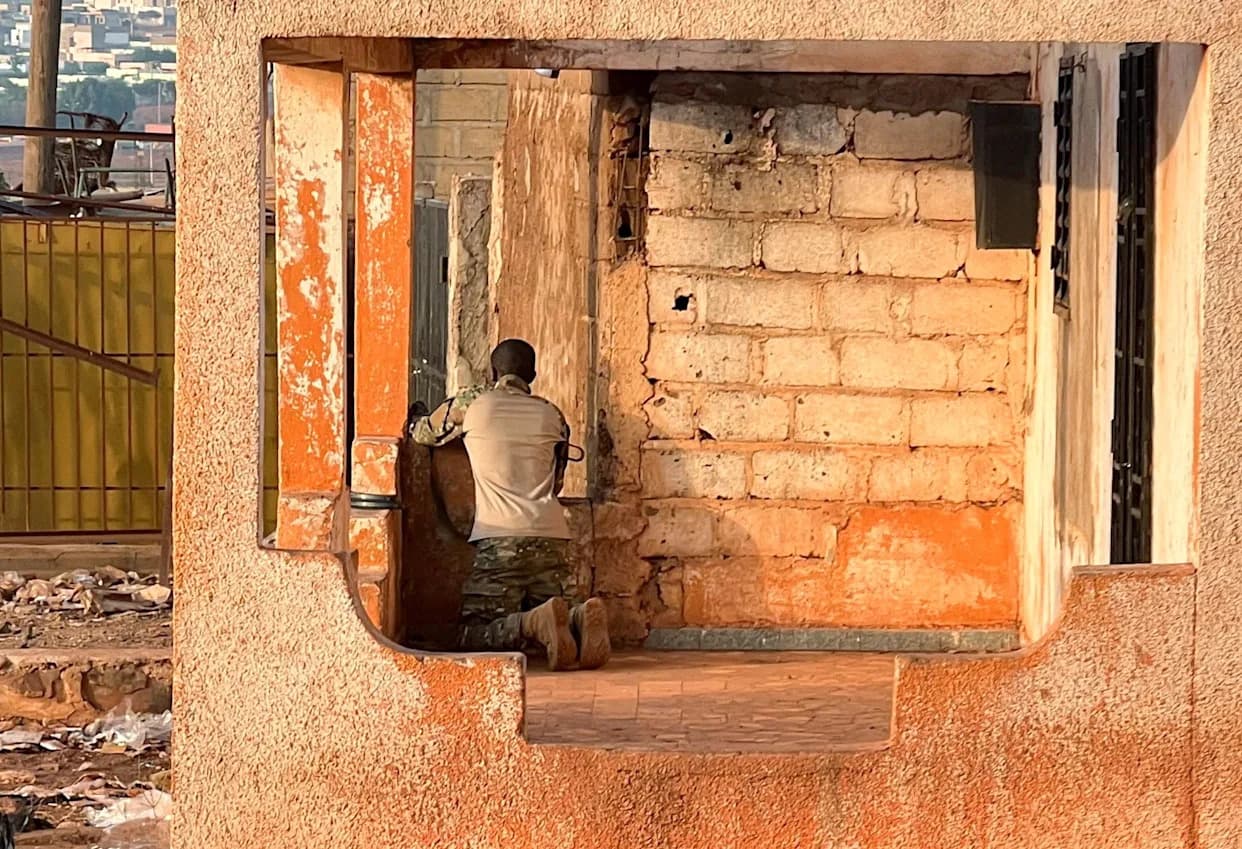
A coordinated wave of attacks by jihadist groups and separatist fighters swept across Mali over the weekend, raising fresh doubts about the effectiveness of Russia-backed security efforts as the country’s stability rapidly deteriorates.
After seizing power in a 2020 coup, Mali’s ruling military junta turned to Moscow for help in its counterinsurgency campaign. Despite the deployment of Russian security personnel and mercenaries, insurgent violence has persisted and in some areas escalated.
Recent developments: Mali’s defense minister was reported killed on Sunday, and Russian mercenaries were forced to withdraw from several strategic positions as militants launched what officials described as one of the largest offensives since 2012. The scale and coordination of the attacks have prompted concern among regional governments and international observers.
Why this matters
Analysts say the security-focused approach supported by Russia has not addressed the political, economic and social grievances that fuel the violence. The Carnegie Endowment argued that "Russia has a heavy military hand without a political strategy to address the root causes of violence." Without a complementary political strategy, military gains are unlikely to produce lasting stability.
“Russia has a heavy military hand without a political strategy to address the root causes of violence,” the Carnegie Endowment wrote.
The attacks threaten to worsen humanitarian conditions, displace civilians, and further destabilize a region already coping with repeated insurgencies. The coming days will be critical for Mali’s junta and its international partners as they decide whether to adjust strategy or seek new diplomatic and political approaches.
Help us improve.