U.S. District Judge Kathleen Williams has asked the Justice Department and President Trump’s private lawyers to explain whether his $10 billion lawsuit against the IRS raises a justiciable "case or controversy." The judge ordered briefs by May 20 and scheduled a hearing for May 27 in Miami. Trump’s suit alleges the IRS failed to prevent the unauthorized disclosure of his tax records by contractor Charles Littlejohn, who was later sentenced to five years. Both sides have requested a 90-day pause while they pursue settlement talks.
Judge Questions Justiciability Of Trump’s $10 Billion Lawsuit Against IRS; Hearing Set For May 27
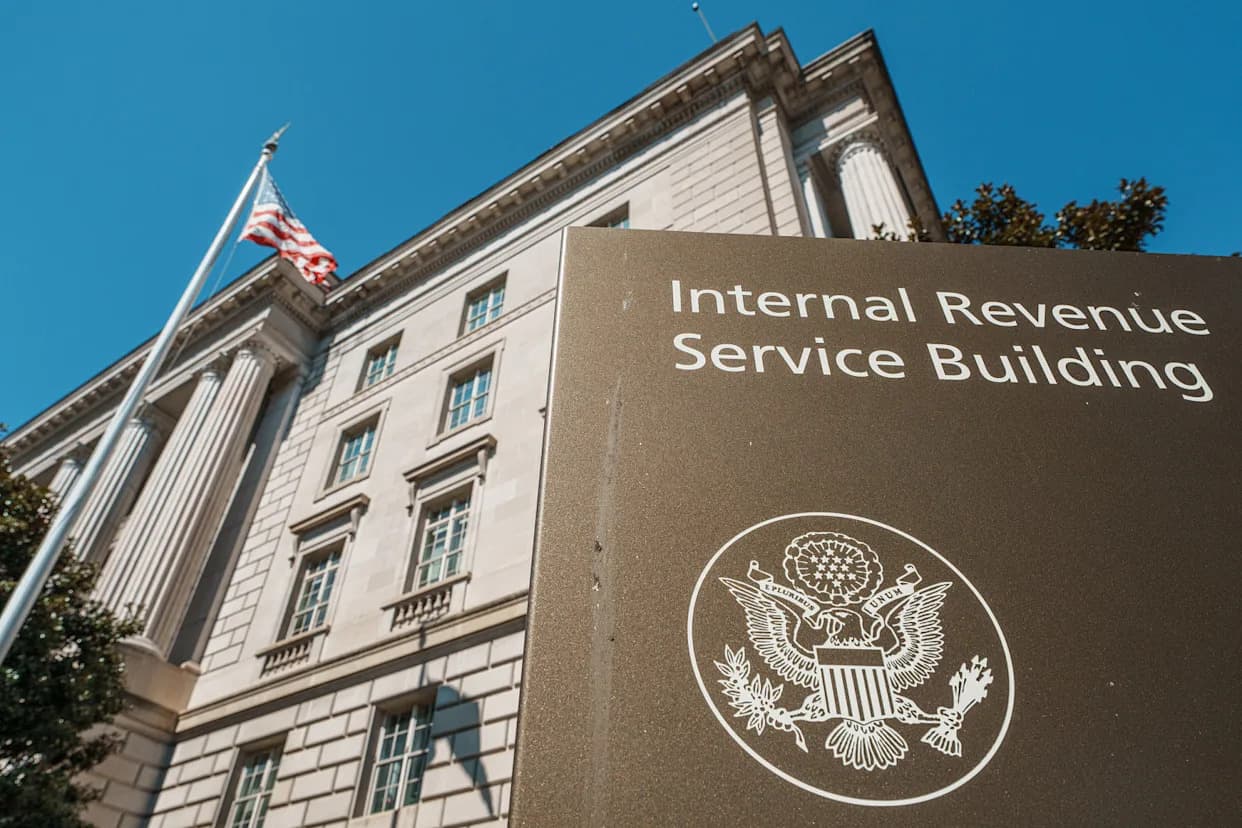
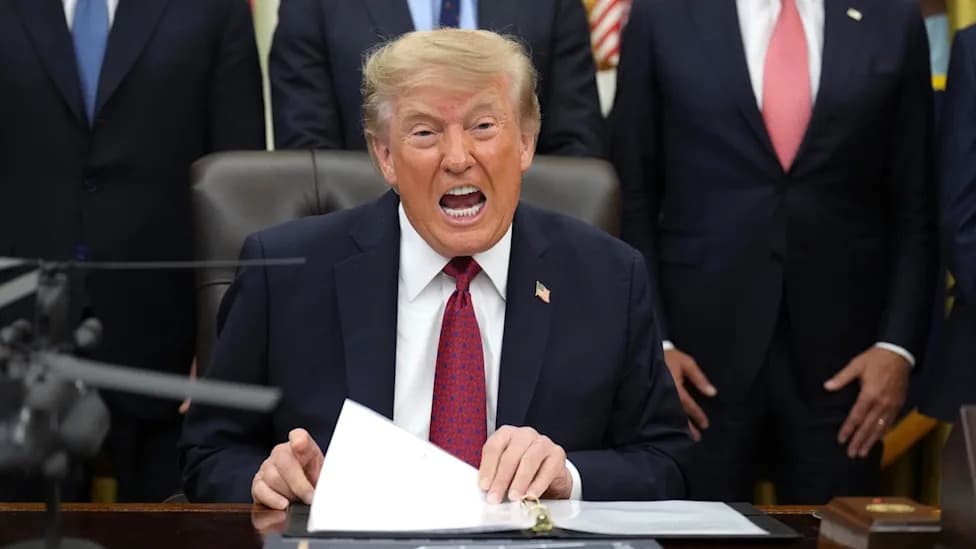
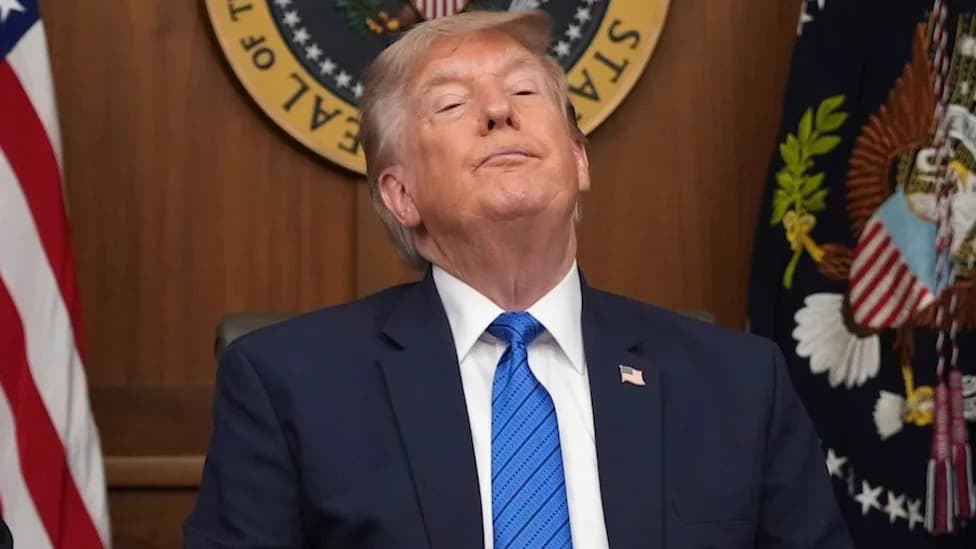
Trump sued the IRS in January, alleging it failed to prevent a former employee from improperly disclosing the president's tax returns. (J. David Ake / Getty Images file)(J. David Ake)
A federal judge has asked the Justice Department and President Donald Trump’s private attorneys to explain whether his $10 billion lawsuit against the Internal Revenue Service — an agency the president oversees — presents a justiciable dispute that federal courts can resolve.
Judge Flags "Case Or Controversy" Concern
In a Friday order, U.S. District Judge Kathleen Williams said federal courts are limited by the Constitution’s "case or controversy" clause and questioned whether the lawsuit involves the concrete adverseness required for a court to hear the matter.
"Typically, adverseness is found in a situation where one party is asserting its right and the other party is resisting," Williams wrote. "Consequently, if there is no adverseness, there is no case or controversy."
Williams ordered both parties to submit briefs explaining "whether a case and controversy exists" by May 20 and scheduled a hearing for May 27 in Miami.
Background Of The Suit
Trump filed the complaint in January against the IRS and the Treasury Department, joined by his adult sons, Donald Trump Jr. and Eric Trump, and the Trump Organization. The suit alleges the agencies failed to prevent the unauthorized disclosure of his tax records by a government contractor, Charles Littlejohn, who pleaded guilty and was sentenced to five years in prison in 2024.
The plaintiffs claim the leak caused "reputational and financial harm" and public embarrassment after The New York Times reported that Trump paid $750 in federal income taxes in 2016 and 2017.
Procedural And Ethical Questions
Williams noted that Trump sued in his personal capacity, not as president, but observed that he is the sitting president and the defendants are agencies whose decisions fall under his supervision — a factor the court appears to be weighing in assessing adverseness.
Attorneys for both sides asked the court last week for a 90-day stay to pursue settlement talks. The IRS referred requests for comment to the Justice Department; the Justice Department and White House did not immediately respond to requests for comment.
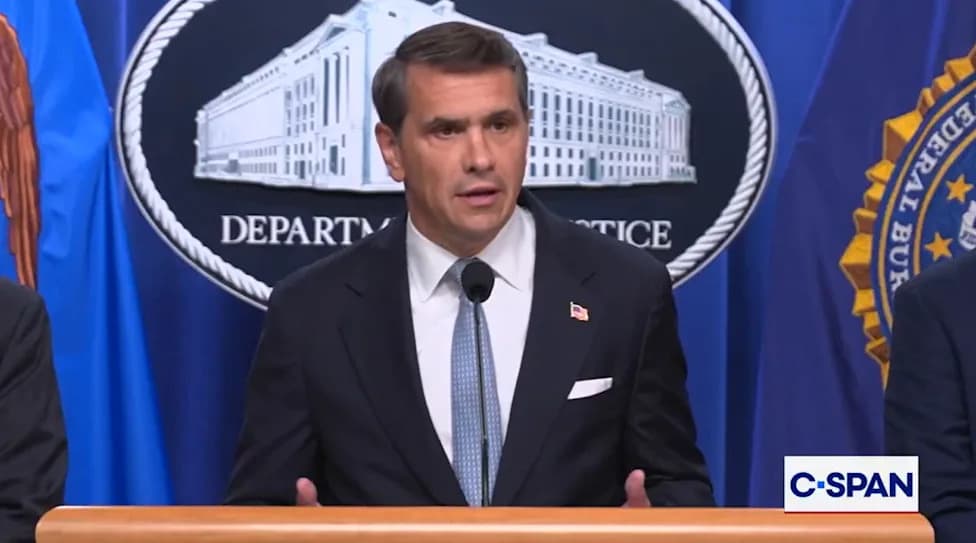
Acting Attorney General Todd Blanche, speaking at an unrelated event, declined to discuss case specifics but said the Justice Department routinely manages matters that raise competing institutional interests.
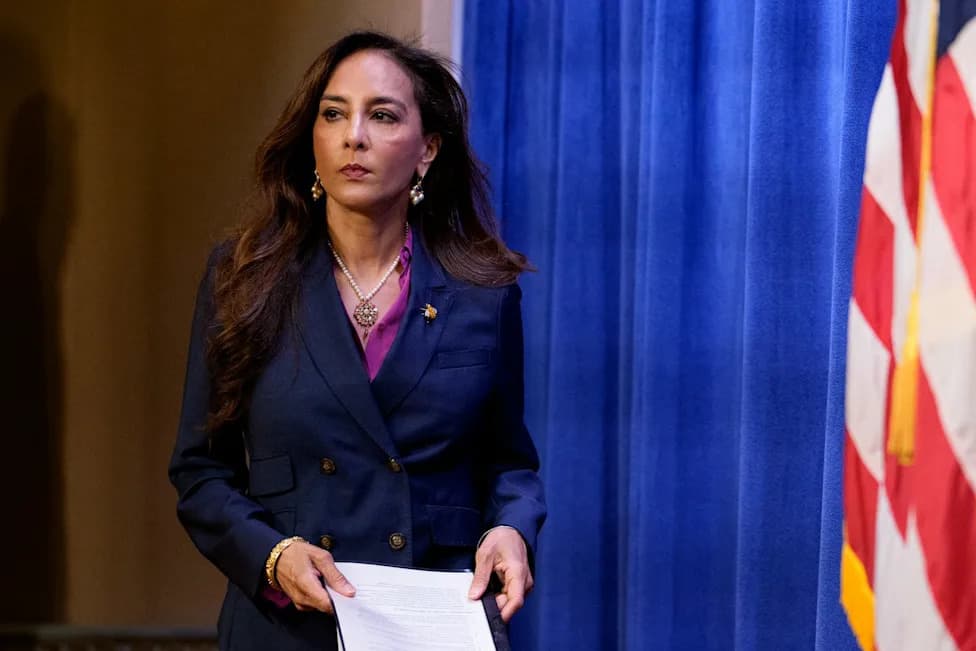
Williams was nominated to the federal bench by President Barack Obama in 2011. Trump has said he would donate any damages received from the lawsuit to charity; critics have noted questions about whether such funds would effectively derive from taxpayer-related processes or remedies.
Note: This article is based on reporting originally published on NBCNews.com.
Help us improve.