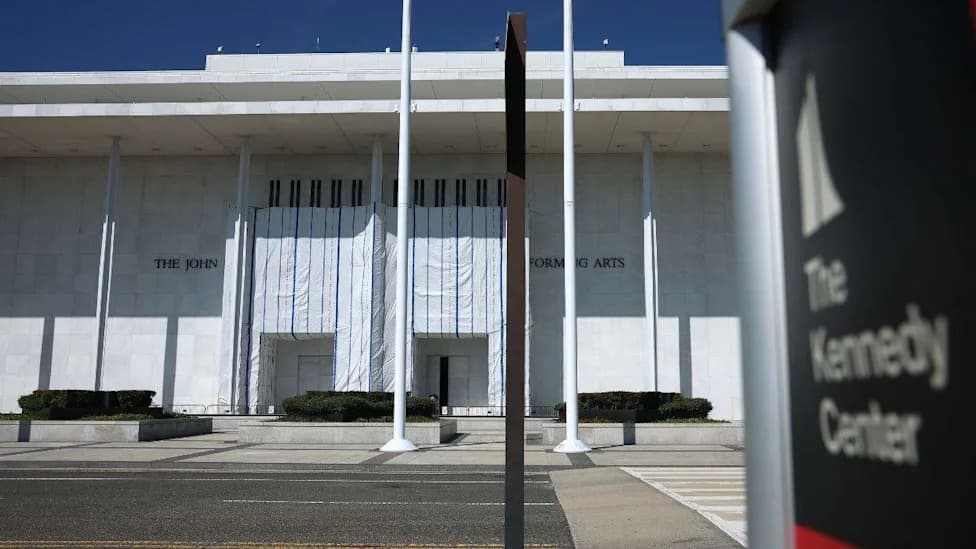
Plaintiffs suing over the proposed Donald J. Trump Presidential Library in Miami asked a federal judge to deny the DOJ's bid to halt discovery and allow the case to proceed. The May suit by Sistrunk Seeds Inc., co-founded by Marvin Dunn, and student Carmen Salcedo alleges Florida officials improperly transferred about $300 million of Miami-Dade College land to benefit the Trump library project. The DOJ seeks dismissal and a stay, citing standing and historical comparisons; plaintiffs say they will seek limited discovery focused on the Trump Library Foundation.
Opponents Urge Judge To Ignore "Sound And Fury" And Allow Discovery In Trump Miami Library Lawsuit
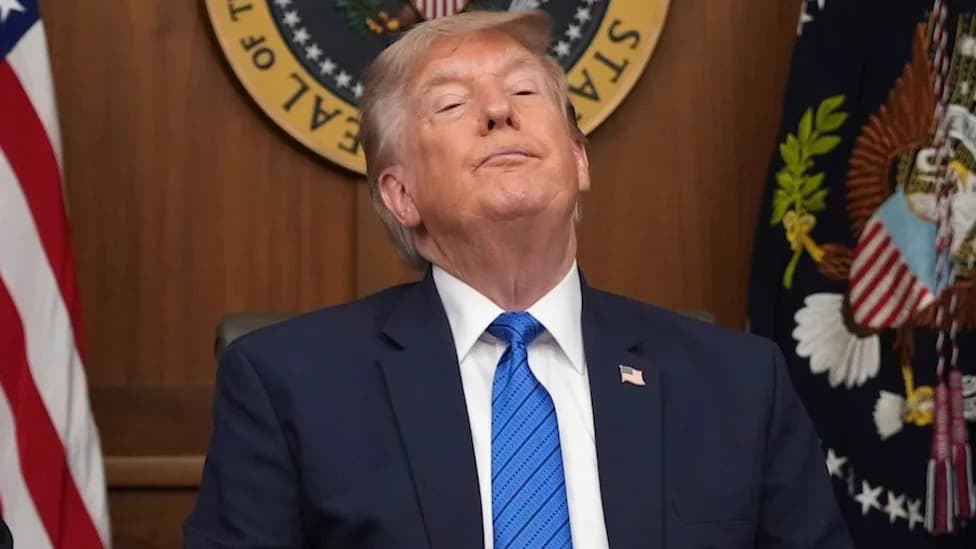
President Donald Trump listens during a cabinet meeting, Friday, July 31, 2026, at Camp David, the presidential retreat, near Thurmont, Md. (AP Photo/Jacquelyn Martin).
Plaintiffs challenging the proposed Donald J. Trump Presidential Library project in Miami have asked a federal judge to reject the Justice Department's request to pause discovery and let the case proceed. The May lawsuit — filed by nonprofit urban farm Sistrunk Seeds Inc. (which runs Dunn's Overtown Farm), co-founder and historian Dr. Marvin Dunn, Miami residents, and college student Carmen Salcedo — alleges that Florida officials improperly transferred roughly $300 million in Miami-Dade College land to interests tied to the Trump library project.
Background
The complaint centers on the land transfer and whether the transaction and related actions constitute an unconstitutional benefit to President Donald Trump under the Domestic Emoluments Clause. Plaintiffs say Trump has publicly suggested the site could become a for-profit hotel, and they point to Eric Trump as one of three trustees of the Donald J. Trump Presidential Library Foundation.
DOJ's Motion: Dismissal And A Stay Of Discovery
The Department of Justice asked U.S. District Judge Rodolfo Armando Ruiz II (a Trump appointee) to dismiss the case for lack of standing and to impose an immediate stay on all discovery while the court resolves motions to dismiss and immunity defenses. The government described the plaintiffs' reliance on the Domestic Emoluments Clause as implausible, arguing that accepting their theory would have alarming historical consequences — for example, it said earlier presidents who held U.S. Treasury securities would have been in violation.
Plaintiffs' Response: Limited Discovery And No Immunity For The Foundation
In opposing the DOJ's request, the plaintiffs said the government seeks an "automatic, mandatory, and sweeping stay of all discovery and proceedings" based on speculative assumptions about the plaintiffs' intentions. Their brief described the defendants' approach as a panic-driven attempt to foreclose fact-gathering and called the characterization of their complaint "threadbare" inaccurate.
"This is sound and fury. It signifies nothing," the plaintiffs wrote, adding that they "intend to serve only limited discovery focused on a single Defendant, the Trump Library Foundation, while the Motions to Dismiss remain pending."
Plaintiffs emphasized that the Trump Library Foundation does not assert immunity, undercutting the defendants' argument that broad immunity claims justify staying all discovery. They argued that the case's unusual facts — a state gifting land alleged to be for a presidential library while the President publicly suggests using it as a for-profit hotel — justify limited, targeted discovery to develop the factual record and test standing and immunity defenses.
What's Next
Both sides now await Judge Ruiz's ruling on whether discovery may proceed while he resolves motions to dismiss and related immunity questions. The outcome will determine whether plaintiffs can begin gathering evidence from the Foundation and other relevant parties to support their domestic emoluments and related claims.
Help us improve.