Millions of migratory birds travel North American flyways each spring, often at night using magnetic and starlight cues. Artificial light disrupts navigation, contributes to collisions with glass and is linked to roughly 1 billion bird deaths annually. Migration typically peaks two to four hours after sunset; turning off unnecessary lights, shielding outdoor fixtures and marking windows during those hours can greatly reduce harm. Check local migration forecasts and participate in "lights out" initiatives to help birds reach breeding grounds safely.
How Darkness Can Help Save Migratory Birds
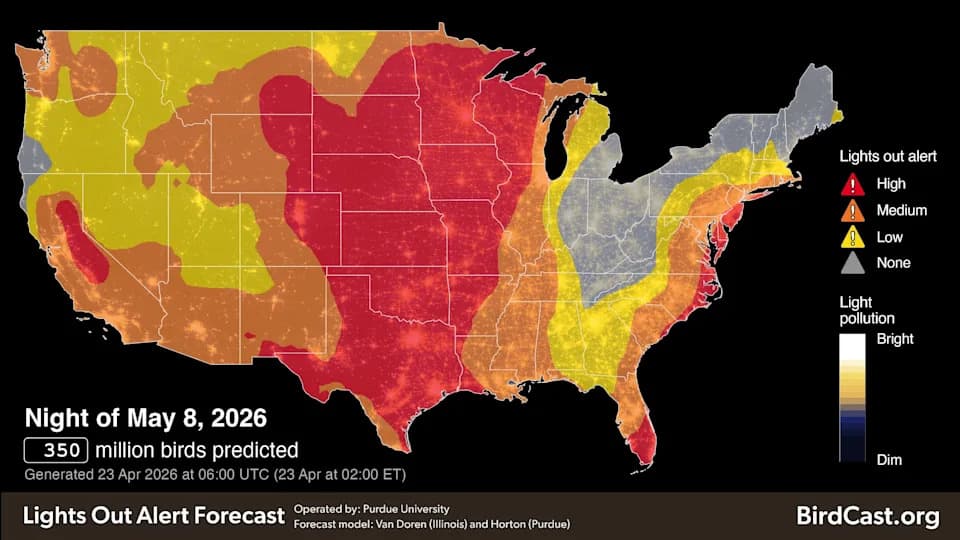
To find out when bird migration peaks in your area, find forecast mapshere.Benjamin Van Doren and Kyle Horton/ BirdCast
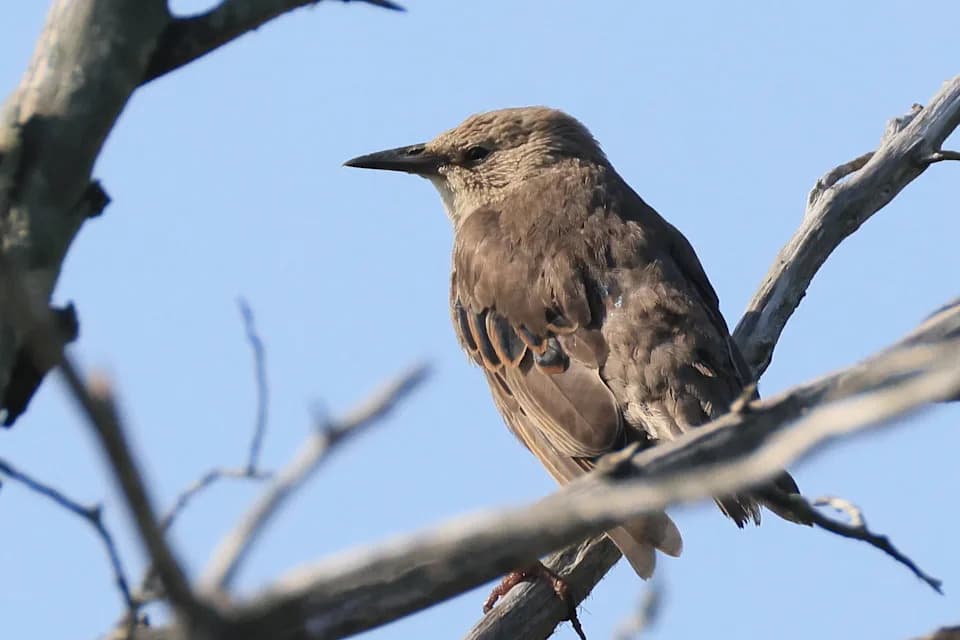
Between March and June, millions of migratory birds travel north along North American flyways—routes used for millennia. As buildings, windows and outdoor lighting have multiplied, birds increasingly encounter unpredictable glows from glass and artificial lights that can disrupt their migration.
Why Light Is Dangerous
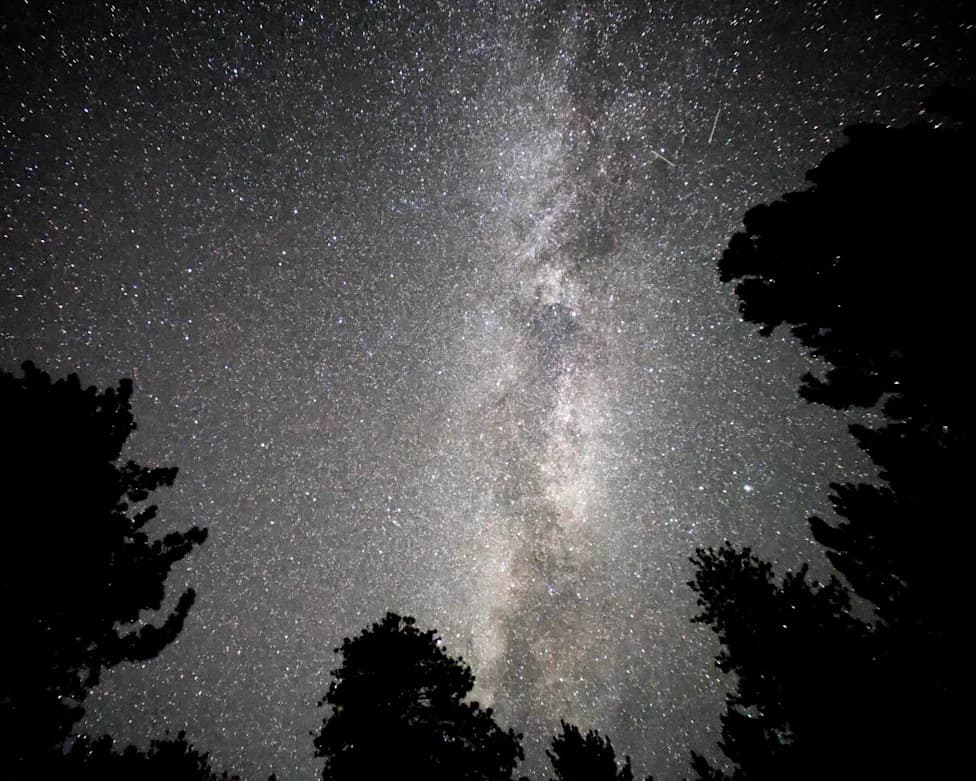
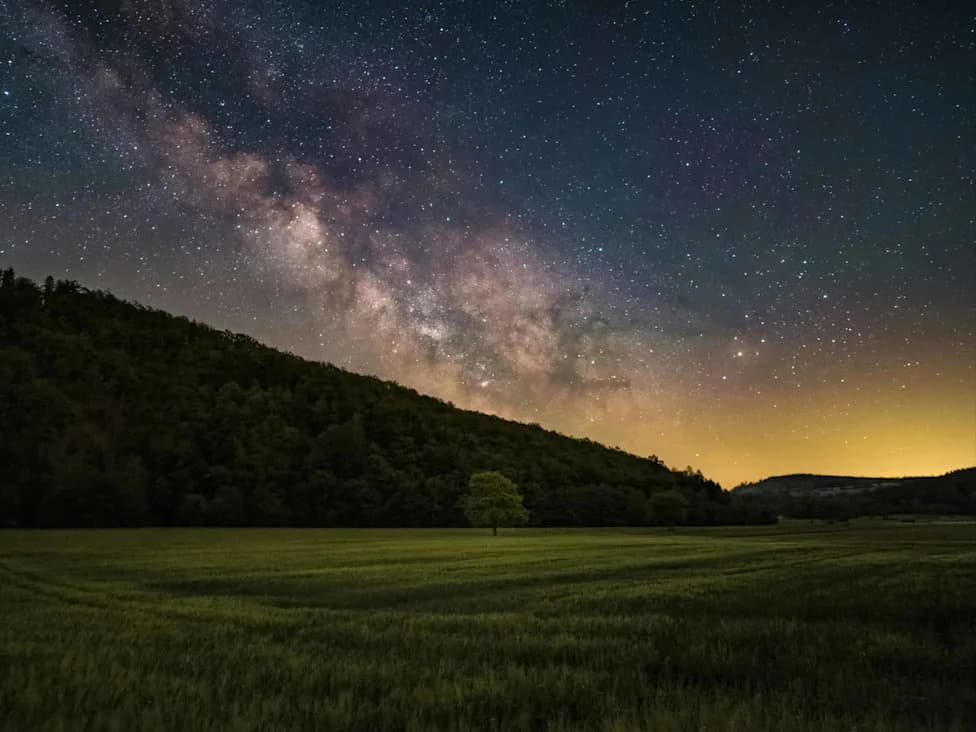
Many migratory species fly at night, relying on specialized cells that sense Earth’s magnetic field plus faint moonlight and starlight for visual orientation. Artificial light at night interferes with this finely tuned navigation system, disorienting birds and sometimes trapping them in bright beams. Artificial light also affects birds’ circadian rhythms, with consequences for behavior and survival.
Researchers estimate that roughly about 1 billion birds die each year after colliding with windows, and many more exhaust themselves trying to move through artificially lit urban areas. These losses compound other threats—climate change, habitat loss and pesticide exposure—that have driven steep declines in many migratory populations.
When Birds Are Most At Risk
The number of migratory birds overhead varies with weather and location along a flyway, but in general migration activity peaks two to four hours after sunset during spring and fall. During those peak hours, reducing unnecessary lighting can make a large, immediate difference.
Simple Steps That Help
Turn off unneeded lights at night and close curtains or blinds to prevent interior light from spilling outside. For outdoor lighting that must remain on, aim fixtures downward, use shields or caps to stop light from shining up into the sky, and choose warm, low-intensity bulbs when possible. On heavy migration nights, consider switching off nonessential illumination even if you don’t do so year-round.
“Unlike a lot of these huge sources of mortality—like changing climates—that individuals can’t influence as much as we’d like to, we can truly help with the overnight lighting problem,” says S. K. Winnicki, an evolutionary ecologist and ornithologist at Ohio State University.
Reducing Window Collisions
Birds that don’t leave urban areas before dawn face another major risk: colliding with glass while searching for green space to rest. Urban environments can be a two-part danger—bright lights draw and confuse birds, and buildings and windows are essentially invisible to them.
“Everyone has walked into glass at some point,” explains Dustin Partridge, senior director of conservation and science at NYC Bird Alliance. “It hurts our ego, but for a bird, it’s lethal. They are going full speed headfirst, and they don’t perceive glass.”
To reduce collisions, add visible markers to exterior glass—simple solutions like a grid of dots or stripes spaced closely together can be effective. More advanced options include ultraviolet coatings and films that are highly visible to birds but minimally intrusive to humans.
Where To Get Local Guidance
To find out when migration peaks in your area, check local nighttime migration forecasts such as BirdCast or regional conservation group advisories. Local "lights out" initiatives—often run by cities or nonprofits—also publish recommended dates and actions.
Takeaway: Small, coordinated actions by individuals and building managers—turning off lights on peak migration nights, shielding outdoor fixtures and marking windows—can substantially reduce mortality for migrating birds.
Help us improve.