The D.C. Circuit Court of Appeals blocked President Trump’s directive that would have suspended asylum protections and authorized new summary removal procedures at the southern border. A 2-1 majority held the Immigration and Nationality Act does not permit the president to create such removal processes or bar asylum applications. The panel affirmed the district court’s certification of a class and its finding that the Administration exceeded its statutory authority. The Justice Department may seek rehearing en banc or appeal to the Supreme Court.
Appeals Court Blocks Trump Order Suspending Asylum at U.S.–Mexico Border
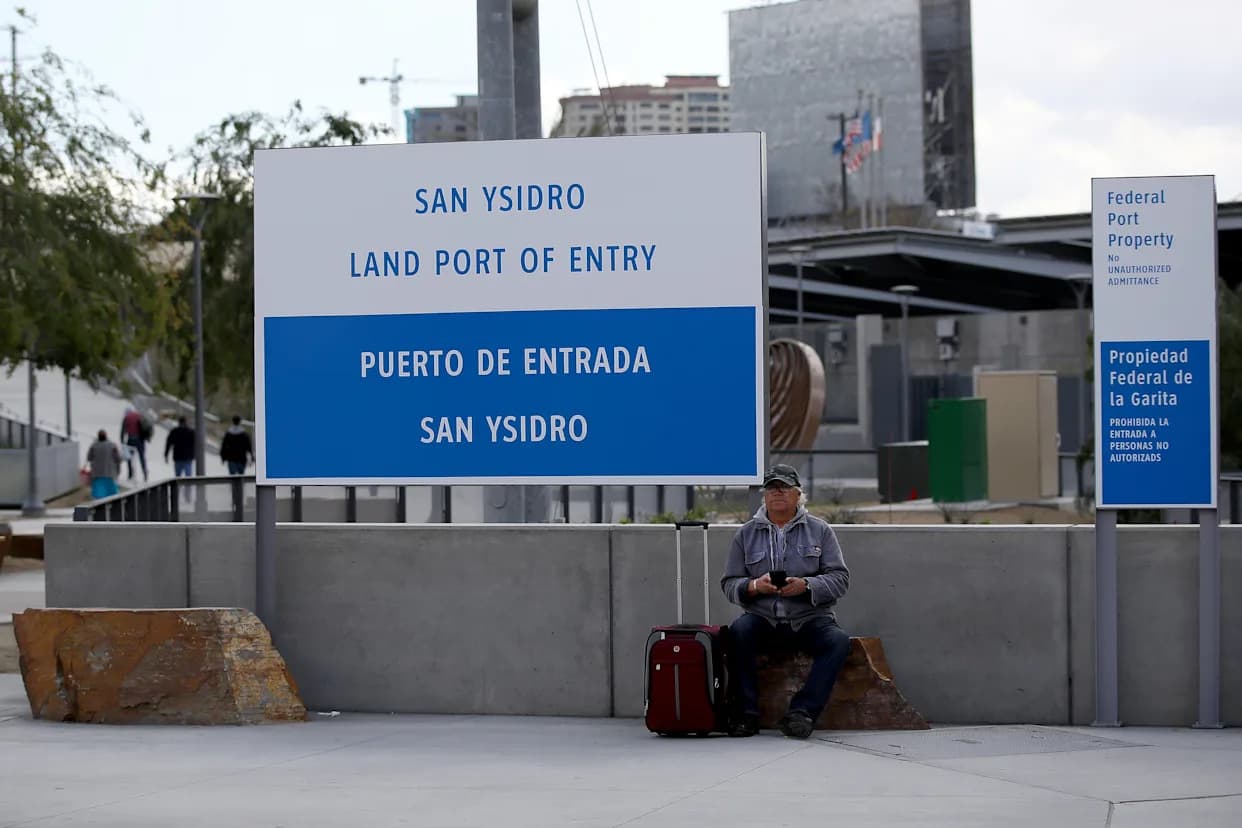
Washington — A federal appeals court on Friday temporarily blocked President Trump’s directive that sought to suspend asylum protections and authorize new summary removal procedures for migrants who unlawfully cross the southern U.S. border.
Court Ruling
A divided three-judge panel of the U.S. Court of Appeals for the District of Columbia Circuit held that federal immigration law does not permit the president to deport migrants through novel summary removal procedures or to bar them from applying for asylum. Judge J. Michelle Childs authored the opinion for the two-judge majority and was joined by Judge Cornelia Pillard. Judge Justin Walker concurred in part but dissented on the panel’s ultimate conclusion that the president’s directive was unlawful to the extent it effectively closed the asylum system at the border.
"We conclude that the [Immigration and Nationality Act's] text, structure, and history make clear that in supplying power to suspend entry by Presidential proclamation, Congress did not intend to grant the Executive the expansive removal authority it asserts," Childs wrote.
Why the Court Blocked the Directive
The majority found that the Administration’s proclamation and Department of Homeland Security guidance unlawfully circumvented statutory removal procedures and federal protections that allow individuals to apply for asylum and withholding of removal. The panel held that the Immigration and Nationality Act (INA) largely gives foreign nationals physically present in the United States the right to seek asylum and to have those claims adjudicated, with only narrow exceptions established by Congress.
Judge Walker agreed with the panel that migrants must retain access to procedures protecting them from removal to countries where they could face persecution or torture, but he argued the president could lawfully deny asylum in its entirety — a point the majority rejected.
Case Background
The challenge before the D.C. Circuit began with a February 2025 lawsuit filed by a coalition of immigrant-rights organizations. Plaintiffs argued that President Trump exceeded his authority by issuing an executive order declaring an "invasion" and directing the suspension of physical entry for undocumented migrants, and that the Administration’s new summary removal processes — described in DHS guidance as "direct repatriation" and "expedited removal" — violated the INA.
In July, U.S. District Judge Randolph Moss certified as a class all migrants subject to the directive who are or will be in the United States and ruled in favor of the plaintiffs, finding that neither the INA nor the Constitution granted the sweeping authority asserted by the proclamation.
Practical Effects and Next Steps
The D.C. Circuit affirmed key parts of the district court’s ruling, enjoining the Administration from carrying out summary removals or barring asylum applications under its new procedures. The Justice Department may request a rehearing by the full D.C. Circuit (an en banc review) or seek review by the Supreme Court.
Lee Gelernt of the ACLU, which brought the challenge, said the decision "will potentially save the lives of thousands of people fleeing grave danger who were denied even a hearing under the Trump administration's horrific asylum ban."
Looking Forward
The ruling is one of several ongoing legal challenges to elements of President Trump’s immigration agenda. If the Administration wishes to change the asylum process more permanently, the court noted, it must persuade Congress to amend the INA rather than acting unilaterally through executive proclamation or guidance.
Help us improve.