The Treasury plans to tighten IRS Form 990 reporting after a federal indictment alleges the Southern Poverty Law Center routed millions to violent extremist groups. Officials say new rules will require clearer disclosure of who runs projects and how funds flow, closing gaps critics call "dark money" loopholes. The SPLC denies wrongdoing, saying some payments funded paid informants. The proposal has reignited debate over transparency versus donor privacy for tax-exempt groups.
SPLC Indictment Spurs Treasury to Tighten Form 990 Reporting for Tax-Exempt Groups

Scott Bessent, Treasury secretary, testifies before the House Financial Services Committee in Washington, D.C., on Feb. 4, 2026.(Getty Images)
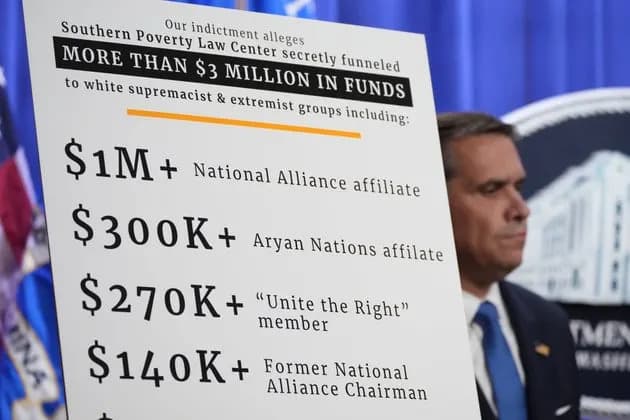
The Treasury Department has announced plans to tighten Internal Revenue Service reporting for tax-exempt organizations, citing a need to expose when nonprofit funding is used to support "extremist activity" or to conceal fraud. The move follows a federal grand jury indictment accusing the Southern Poverty Law Center (SPLC) of routing millions to members of violent extremist organizations.

The Southern Poverty Law Center (SPLC) building seen in March 2020 in Montgomery, Alabama.
Indictment and Response
Federal prosecutors say the SPLC channeled funds to members of groups including the Ku Klux Klan, Aryan Nations and the National Socialist Party of America (American Nazi Party). Acting Attorney General Todd Blanche said at a news conference that the nonprofit "was doing the exact opposite of what it told its donors it was doing — not dismantling extremism but funding it."
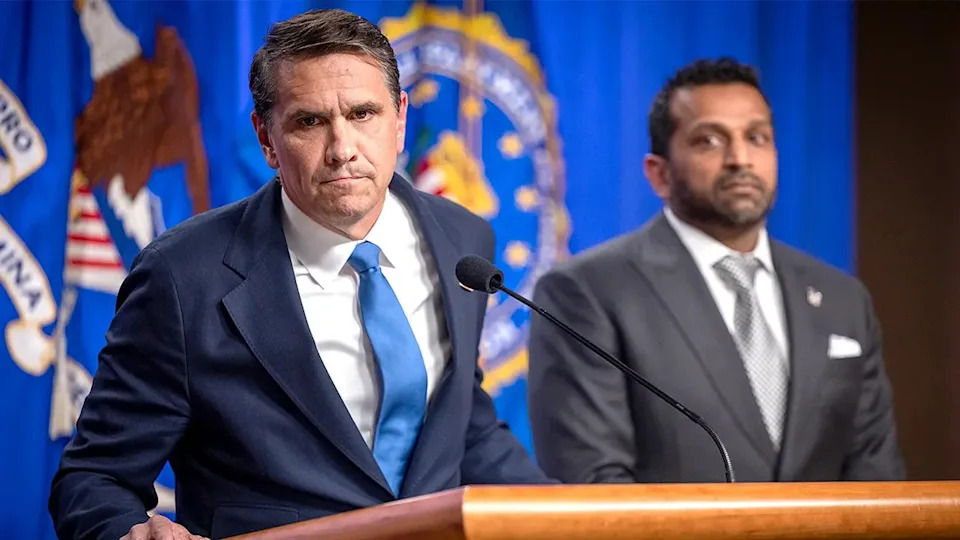
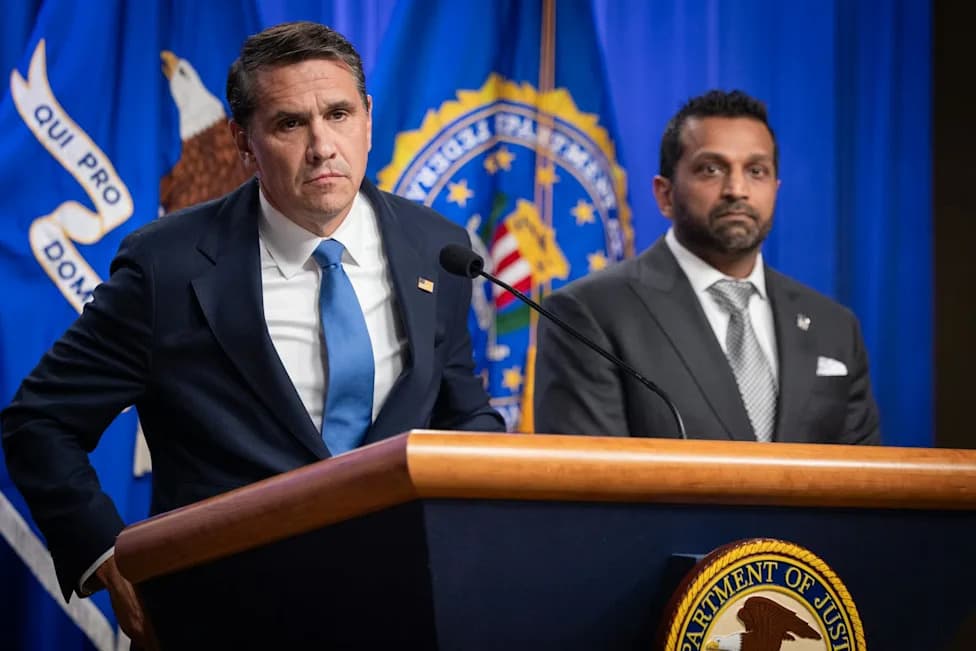
Acting Attorney General Todd Blanche spoke during a press conference alongside FBI Director Kash Patel at the Department of Justice on April 21, 2026, in Washington, D.C., following the indictment of the Southern Poverty Law Center on charges related to money laundering.
"Public money and tax-exempt status demand public accountability," Treasury Secretary Scott Bessent wrote in a statement. "We are ending the days of hiding fraud, abuse and extremist activity behind complicated nonprofit arrangements."
In response, the SPLC has denied wrongdoing and said some payments were intended to fund paid informants who infiltrated violent groups to gather intelligence. In a video statement, interim president and CEO Bryan Fair called the federal response "weaponized" and said the organization no longer uses paid informants but remains concerned for their safety.
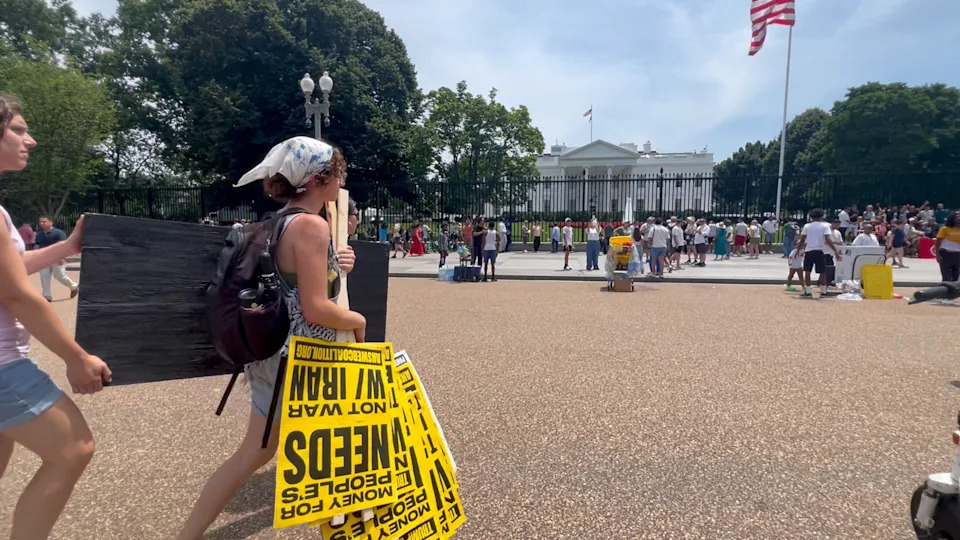
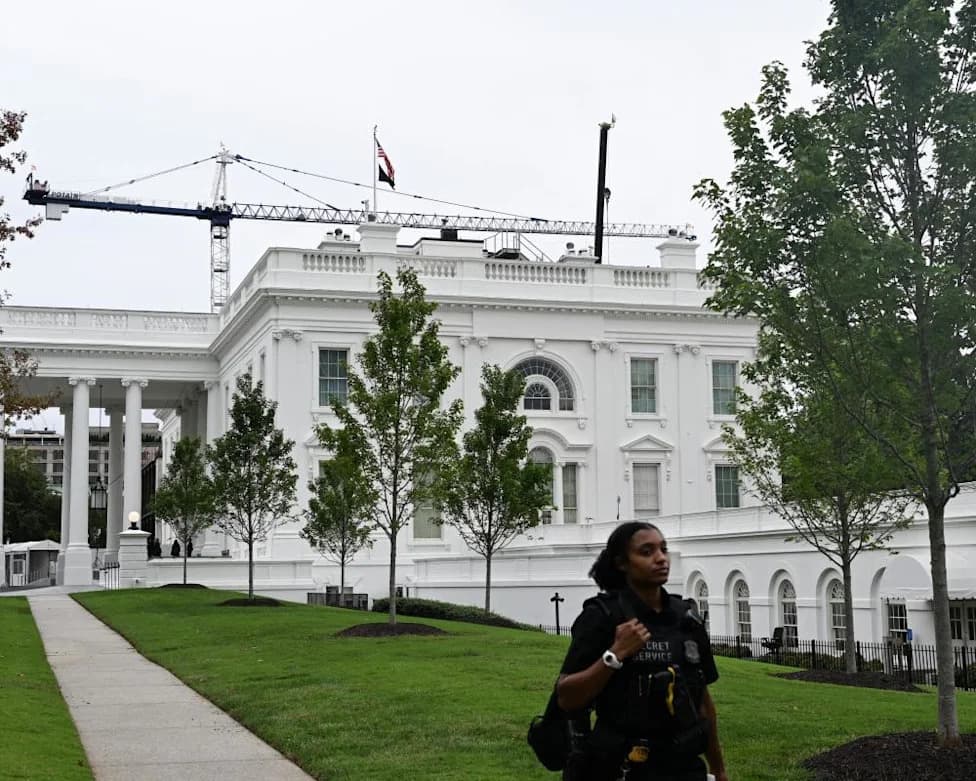
Protesters arrive in front of the White House on June 22, 2025, to demonstrate support for the Islamic Republic of Iran amid U.S.-Iran tensions.
Numbers And Allegations
According to the SPLC’s most recent IRS Form 990 filing cited in coverage, the organization reported roughly $129 million in revenue for fiscal year 2024 and held nearly $800 million in assets. Prosecutors allege some payments were routed through sham entities with names such as "Fox Photography" and "Rare Books Warehouse," transactions that critics say can be obscured under current reporting rules.
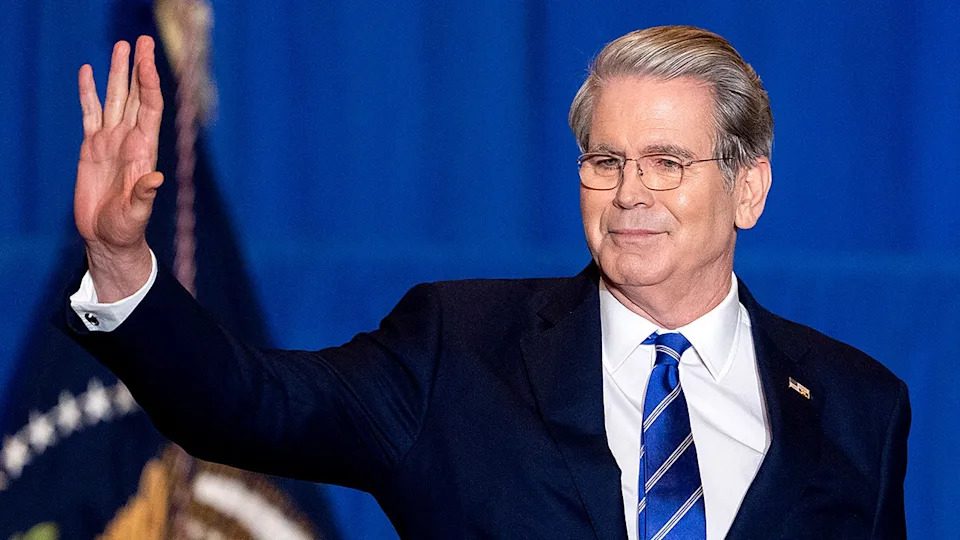
Treasury Secretary Scott Bessent arrives at Mount Airy Casino Resort in Mount Pocono, Pennsylvania, on Dec. 9, 2025, for an event on inflation with President Donald Trump.
Planned Changes To Form 990
The Treasury said it will revise Form 990 requirements to close transparency gaps. Proposed changes would require clearer disclosure of sponsorship arrangements, identify who is operating projects, and show how funds are routed and used. Treasury assistant secretary and acting IRS chief counsel Ken Kies emphasized that "tax-exempt status is not immunity from scrutiny" and said organizations receiving public funds or tax-deductible donations should be able to show who controls the money and where it goes.
Under current rules, many nonprofits can omit the names of individual donors and provide broad descriptions of payments to outside entities — a practice critics call a key enabler of "dark money." The administration and law-enforcement officials point to cases where intermediaries made tracing funds difficult, including an investigation that tied millions in transfers from Shanghai-based tech executive Neville Roy Singham to organized agitator groups across the U.S.
Broader Debate
Supporters of tighter reporting argue enhanced disclosures will make it harder for bad actors to use charitable structures to hide improper payments. Opponents warn regulators must balance transparency with donor privacy and the operational needs of legitimate nonprofits. The episode has amplified debate about how to strike that balance as the legal case against the SPLC proceeds and regulators consider rule changes.
Help us improve.