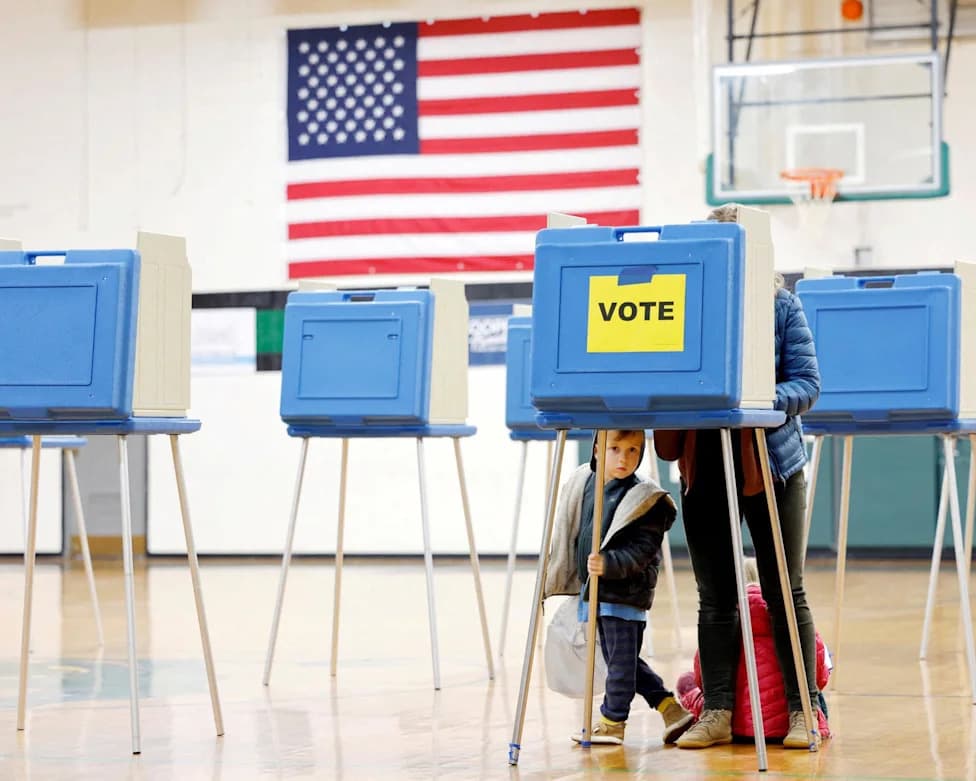
The White House is pushing to frame the 2026 midterms as a choice between parties rather than a referendum on President Trump. Historically this tactic has produced mixed results — notably a limited success for Democrats in 2022 but worse outcomes in other recent midterms. Polling shows Democrats lead the generic ballot only by mid-single digits, while a Fox News poll found Democrats ahead on the economy. The outcome will hinge on whether Republicans can make Democrats appear the worse option without letting Trump dominate the race.
White House Tries to Make 2026 a Choice Between Parties — A Difficult Bet
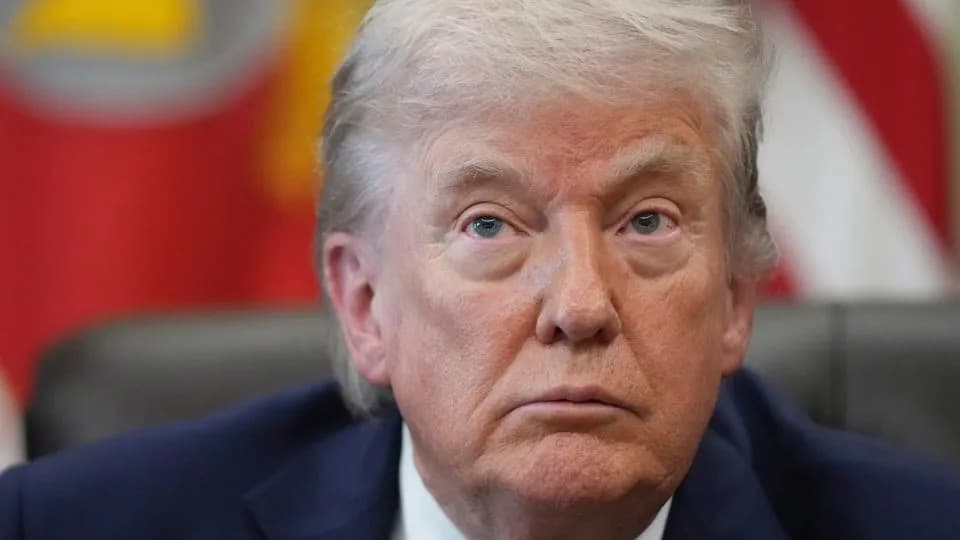
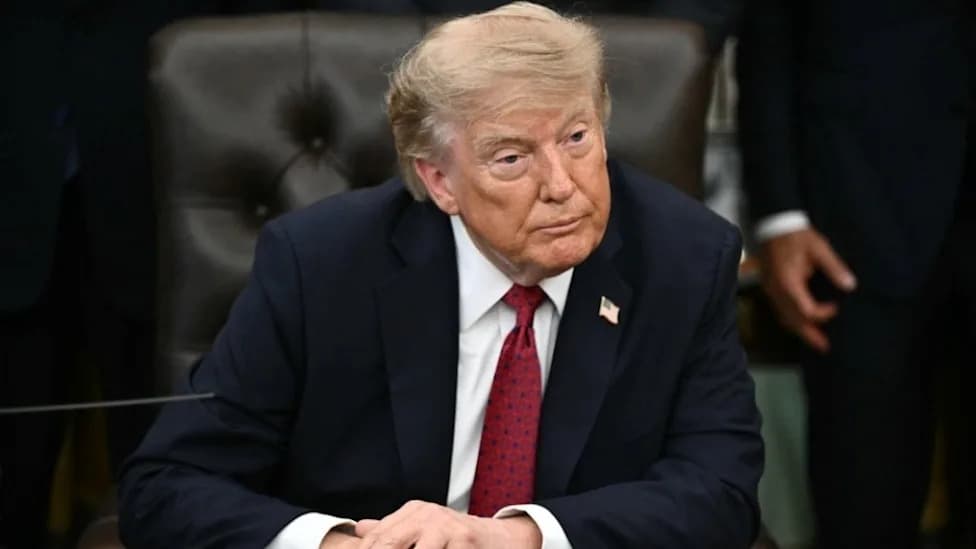
President Donald Trump speaks in the Oval Office on Thursday. - Mark Schiefelbein/AP
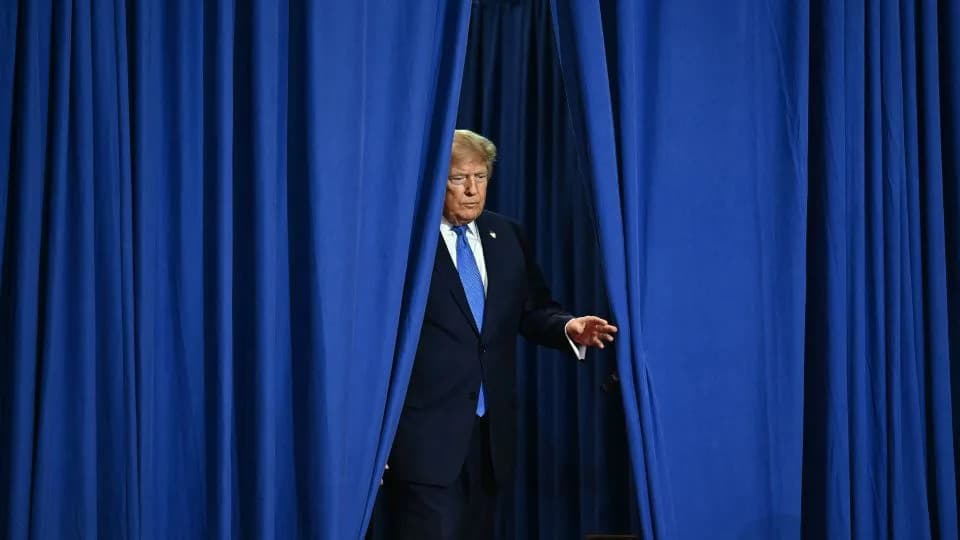
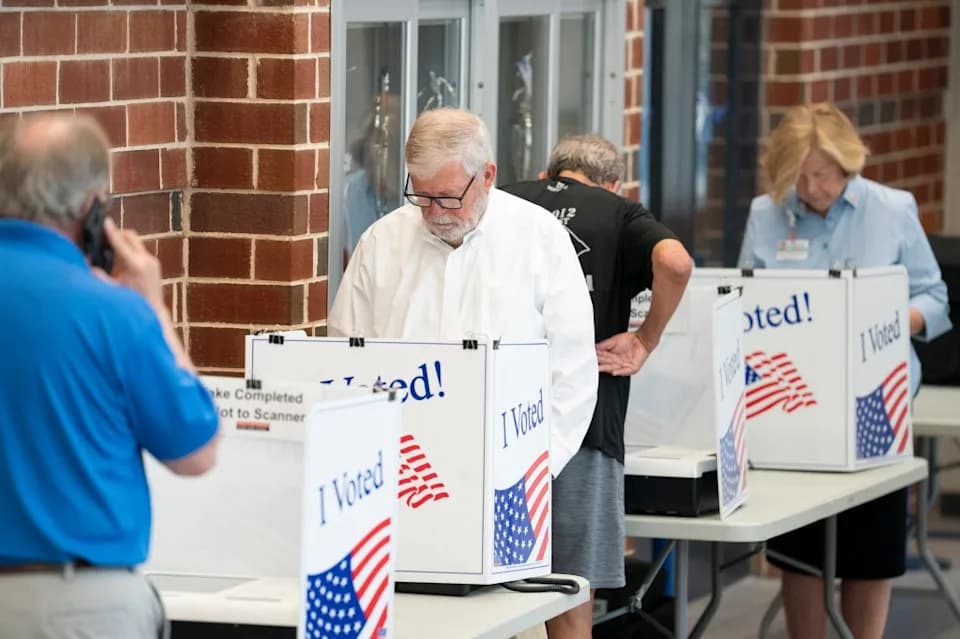
The 2026 midterm cycle has reached a familiar crossroads: the White House is attempting to recast the contest as a deliberate choice between parties rather than a straight referendum on President Donald Trump. The strategy aims to shift voter attention away from the president’s personal standing and toward the alternative offered by Democrats.
Background
CNN reporter Adam Cancryn reports that the White House plans to emphasize the perceived shortcomings of the Democratic Party as the better electoral strategy for Republicans. Variations of this approach have been used in several recent midterms — 2006, 2010, 2014, 2018 and 2022 — with mixed results.
How the Strategy Has Worked Before
When it has succeeded, the tactic is usually damage control rather than a formula for a decisive victory. The clearest recent success came in 2022, when President Joe Biden’s team steered the conversation toward Republican candidates amid post-pandemic inflation. Democrats limited losses and made gains in the Senate, governorships and state legislatures — one of the stronger showings for a president’s party in decades. Exit polls showed the roughly 10% of voters who “somewhat disapproved” of Biden — centrists in the electorate — still leaned Democratic 49%-45%.
Why 2026 Is Different
That result, however, was an outlier. Midterms are typically difficult for the president’s party because voters often use them to express dissatisfaction with the incumbent administration. Several factors that helped Democrats in 2022 — the backlash to the Supreme Court’s Roe v. Wade reversal, high-profile opposition centered on Donald Trump even when he was out of office, and unusually strong turnout among affected constituencies — do not neatly translate into an advantage for Republicans this cycle.
This year the GOP faces its own challenges. Democrats lack a single, unifying target or leader that Republicans can easily define, and the Democratic brand retains lingering weaknesses since 2024. Polling generally shows Democrats leading the congressional generic ballot by only mid-single digits, not the commanding margin that might be expected given Trump’s difficulties. At the same time, voters still often prefer Republicans on issues such as immigration.
Where Polling Backs Democrats
There are signs the picture is improving for Democrats on some fronts. A recent Fox News poll found Democrats ahead of Republicans on the economy for the first time in 16 years, and the party has narrowed gaps on foreign policy, national security and crime — though none of those advantages are yet dominant.
The Wild Card: Trump
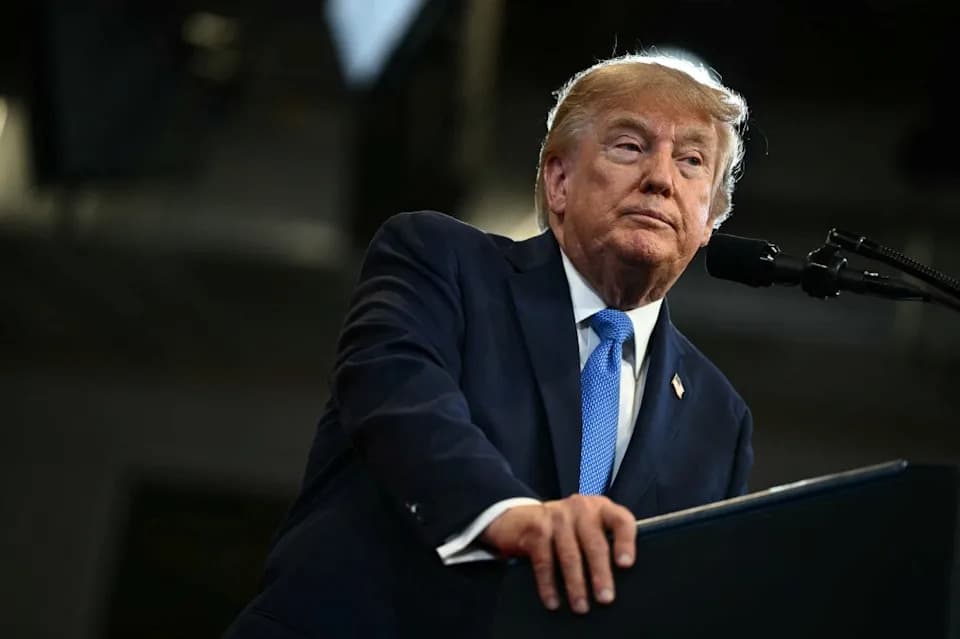
Perhaps the biggest uncertainty is President Trump himself. No matter how much strategists attempt to make the election about party contrast, Trump has a demonstrated ability to keep attention focused on him — for better or worse. With his approval ratings reported in the mid-30s, Republicans are attempting to blunt that drag by convincing voters the alternative would be worse.
In short, reframing 2026 as a choice between parties is a plausible damage-limitation strategy for the GOP, but it faces real obstacles. Success will depend on whether Republicans can make Democrats a sufficiently unattractive alternative without letting Trump dominate the narrative — and whether Democrats can improve their standing on key issues before Election Day.
Key statistic: Most polls show Democrats leading the generic ballot by mid-single digits; exit polling in 2022 showed centrists narrowly favored Democrats 49%-45%.
Help us improve.