This photo essay follows veterans who served as Chernobyl “liquidators” after the April 26, 1986 disaster as they returned to the exclusion zone ahead of the 40th anniversary. Approximately 600,000 people joined the cleanup—often with minimal safety measures—performing dangerous tasks that left many with chronic health problems. The visitors recount duty without question, the emotional shock of ruined towns like Pripyat, and the lasting national and personal impact of their sacrifice.
Photo Essay: Chernobyl Liquidators Return to the Exclusion Zone 40 Years Later
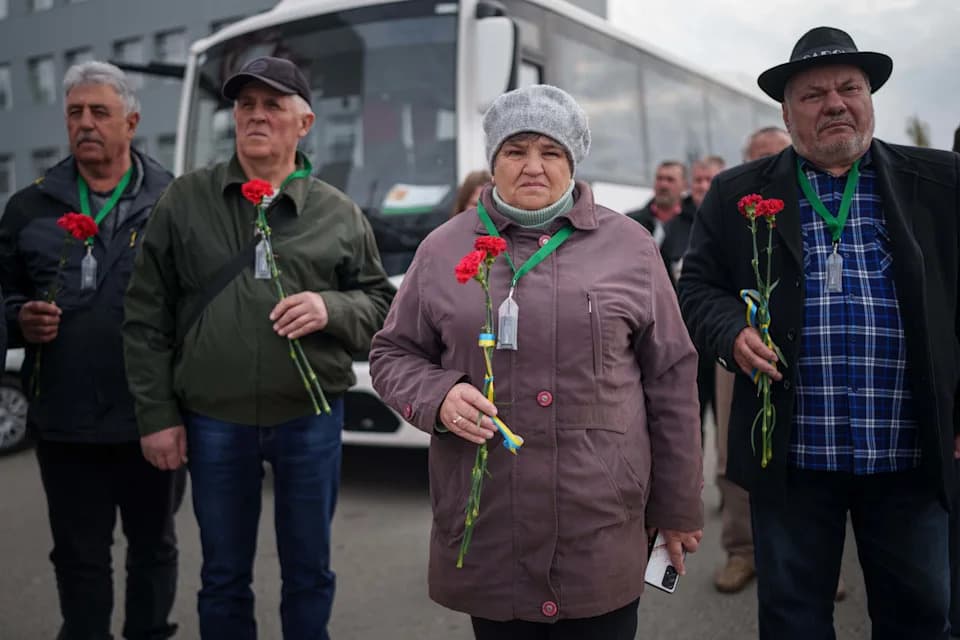
Workers who helped clean up contamination from the Chernobyl nuclear power plant disaster hold flowers before placing them on a monument to their fallen comrades near the plant in Chernobyl, Ukraine, Tuesday, April 21, 2026. (AP Photo/Evgeniy Maloletka)(ASSOCIATED PRESS)
CHERNOBYL, Ukraine — After the April 26, 1986, explosion and fire at the Chernobyl nuclear power plant, hundreds of thousands of troops, firefighters, engineers, miners and medical personnel were mobilized from across the USSR to confront what became the worst nuclear disaster in history. Collectively called “liquidators,” roughly 600,000 people took part in the hazardous cleanup over four years.
Helicopters hovered above the exposed reactor to drop sand and other materials to smother flames. Crews scrubbed radioactive dust from buildings and roads, buried contaminated machinery, cleared forests and culled animals to limit the spread of radiation. Many who were sent knew little about the risks they were facing, and safety and decontamination procedures were often minimal or nonexistent.
Returning To A Changed Landscape
A group of men from Ukraine’s Poltava region returned to the Chernobyl exclusion zone for a one-day visit ahead of the disaster’s 40th anniversary. They described duty performed without question, the long-term health consequences they and their comrades endured, and the emotional shock of seeing places like Pripyat—once a thriving city for plant workers—left to overgrow and decay.
Oleksandr Prylipko recalled arriving nine days after the blast and driving a fire truck for about a month in two-hour shifts to limit exposure. Unaware of the full danger at the time, he suffered a severe health crisis in 1990 and was unable to work for a year. Returning for the first time since his deployment, he found the terrain strange and disorienting: villages razed and the reactor sealed under layers of protection.
Anatolii Krutik was drafted in summer 1986 to help fence contaminated areas and set exclusion zones. He first worked in villages now in Belarus before moving to Chernobyl. Krutik says there was little fear among those mobilized because the threat was invisible, but safety measures were scant—many wore the same clothes going in and coming out, with no proper decontamination.
Vechirko worked that summer removing topsoil, cleaning buildings and securing functioning reactors. He attributes chronic dizziness, weakness and ongoing pain to his time at the site and lost touch with many colleagues because of prolonged illness. “Coming back now, the emotions are overwhelming,” he said. “It’s terribly sad to compare what this place was to what it is today.”
Harbyz, a medical officer and dentist from May to September 1986, treated patients while his unit carried out decontamination. He served in Belarus as well and saw the human cost of the fallout. Reuniting with fellow survivors on the 40th anniversary, he described the visit as both a profound tragedy and an important chance to reconnect with his “brothers-in-arms.”
Mykola Chudak, a firefighter who served six months beginning in November 1986, worked within roughly 10 kilometers (6 miles) of the plant. He credited the first responders who acted immediately with preventing a far greater disaster, often at great personal cost. Extended service and later disability forced early retirement; for Chudak the site carries both personal and national significance.
Other former liquidators recalled similar sacrifices and ongoing health struggles: Lebedynets (fence-building, 1986–1991) described the heartbreak of visiting abandoned Pripyat; Tolumnyi (firefighter, 1987–1988) reflected on memory and national identity; Buriak (Interior Ministry unit, 1988) emphasized recognition and passing the story to the next generation; Taranenko (security officer, 1989) spoke of military duty and resilience; and Hluhovstov noted a “bouquet of ailments” and hopes to live long enough to see Ukraine prevail in the current war.
“Back then, the whole area was clogged with machinery and helicopters — they were everywhere,” Prylipko recalled. “Now everything is sealed and silent.”
The liquidators’ accounts highlight the physical and emotional legacy of Chernobyl: decades of health problems, the passing of many comrades, and the transformation of communities and landscapes. Several survivors drew parallels between the invisible, long-term harm of radiation and the visible destruction of the current Russian invasion of Ukraine, stressing how each has reshaped lives and the nation.
This documentary photo story was curated by AP photo editors. Volodymyr Yurchuk, Hanna Arhirova and Derek Gatopoulos in Kyiv contributed.
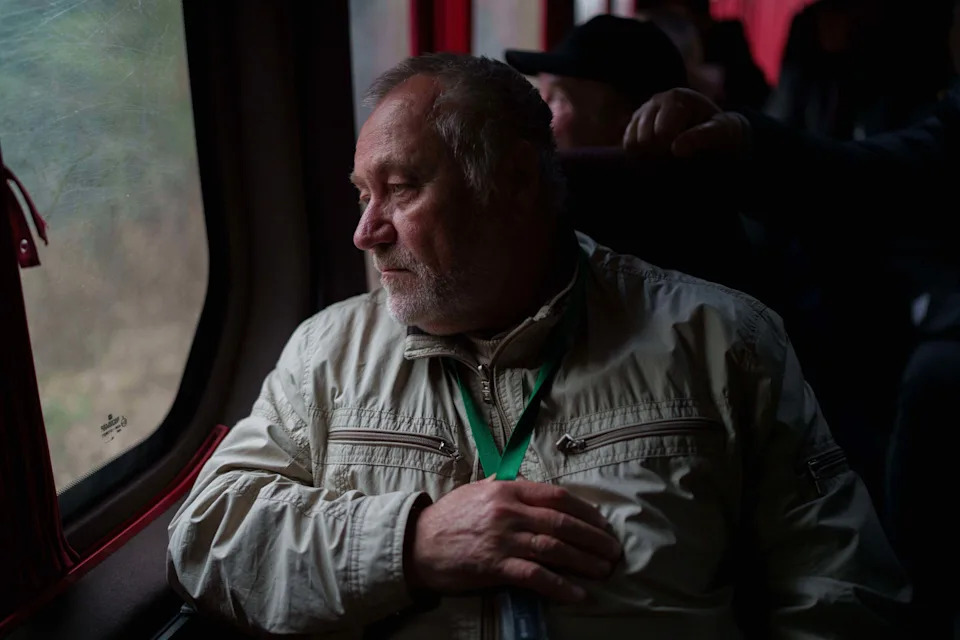
A worker who was sent to clean up the effects of the 1986 Chernobyl nuclear power plant accident, rides in a bus during a visit to the facility, Tuesday, April 21, 2026, in Chernobyl Ukraine. (AP Photo/Evgeniy Maloletka)(ASSOCIATED PRESS)
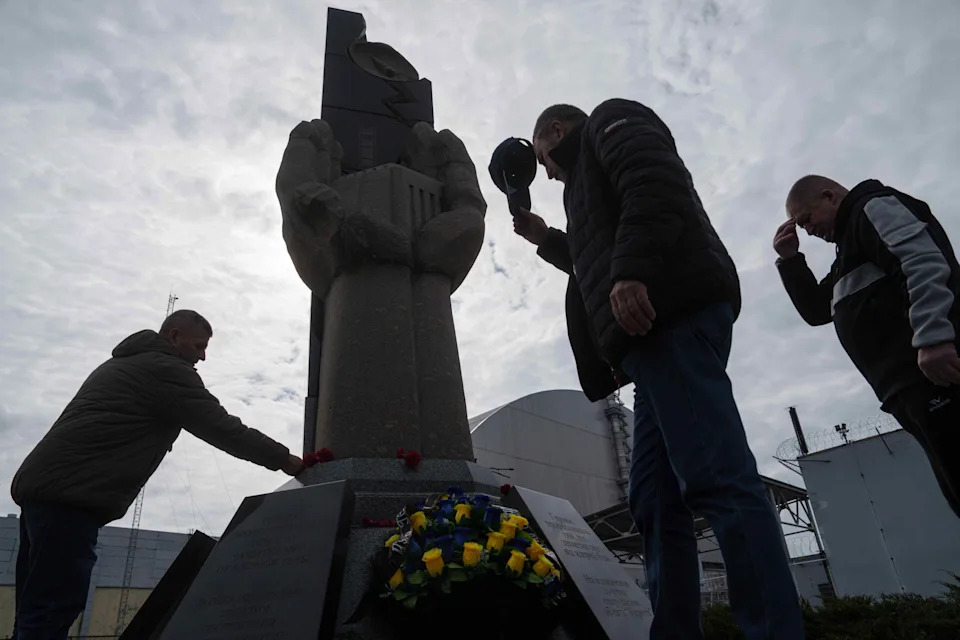
Workers who helped clean up contamination from the Chernobyl nuclear power plant accident place flowers at a monument at the facility in Chernobyl, Ukraine, Tuesday, April 21, 2026. (AP Photo/Evgeniy Maloletka)(ASSOCIATED PRESS)
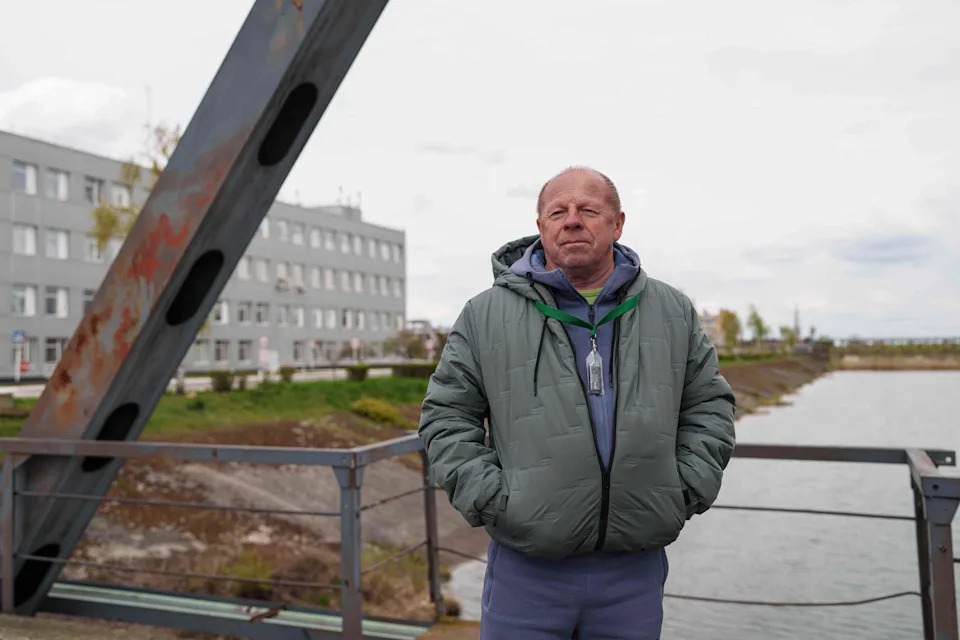
Anatolii Prylipko, 66, who drove a fire truck near the Chernobyl nuclear power plant after the 1986 accident, poses for a portrait near the plant in Chernobyl, Ukraine, Tuesday, April 21, 2026. (AP Photo/Evgeniy Maloletka)(ASSOCIATED PRESS)
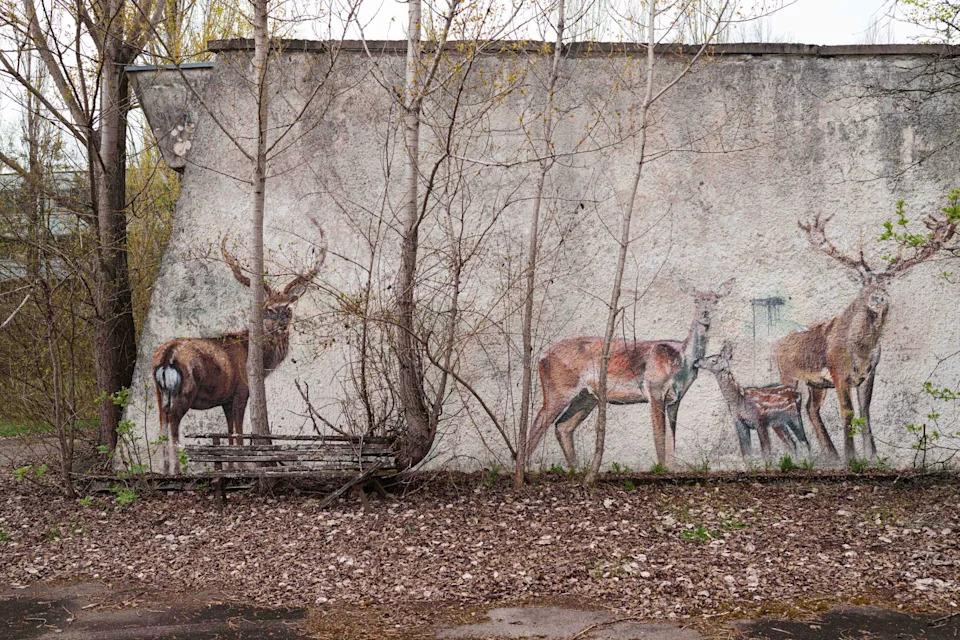
Paintings of deer decorate a wall in the abandoned town of Prypiat, Ukraine, near the Chernobyl nuclear disaster, Tuesday, April 21, 2026. (AP Photo/Evgeniy Maloletka)(ASSOCIATED PRESS)
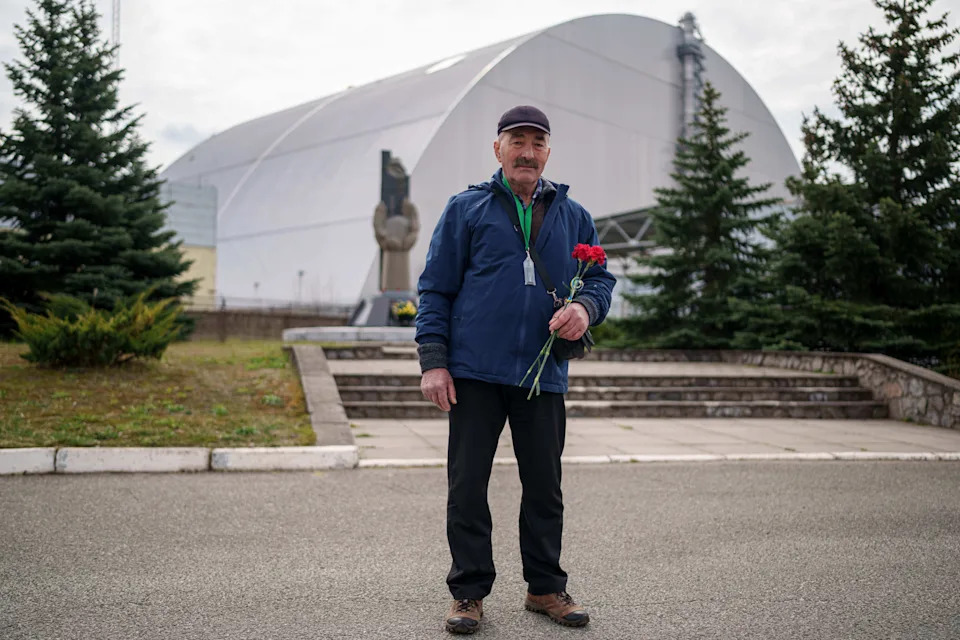
Anatolii Krutik, 63, who helped clean up contamination from the Chernobyl nuclear power plant accident, poses for a portrait Tuesday, April 21, 2026, in front of the plant in Chernobyl, Ukraine. (AP Photo/Evgeniy Maloletka)(ASSOCIATED PRESS)
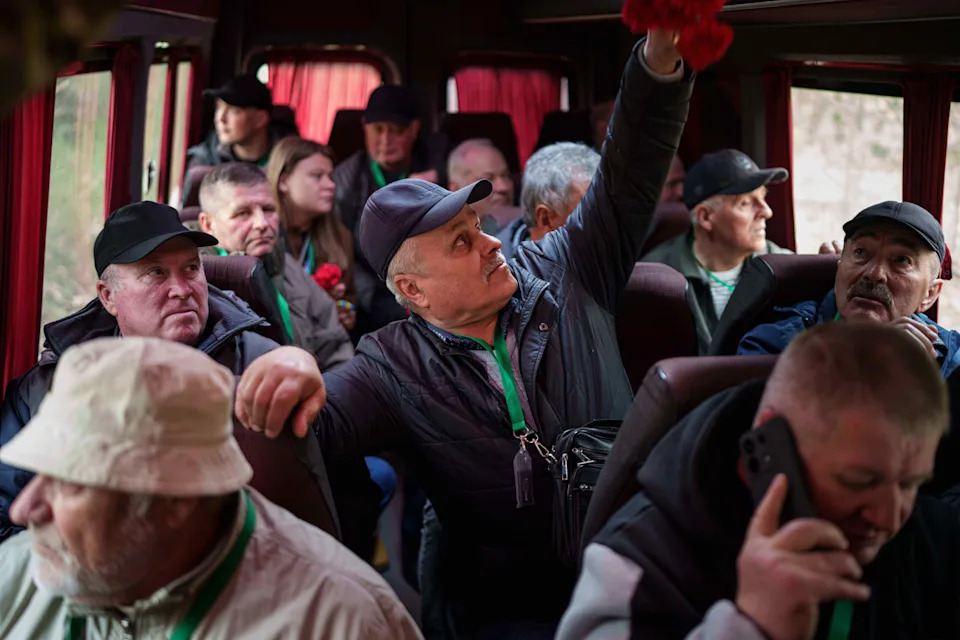
Volodymyr Vechirko, 62, one of the workers who helped decontaminate the area around the Chernobyl nuclear power plant after the 1986 accident, rides in a bus with fellow workers for a visit to the region ahead of the 40th anniversary of the disaster in Chernobyl, Ukraine, Tuesday, April 21, 2026. (AP Photo/Evgeniy Maloletka)(ASSOCIATED PRESS)
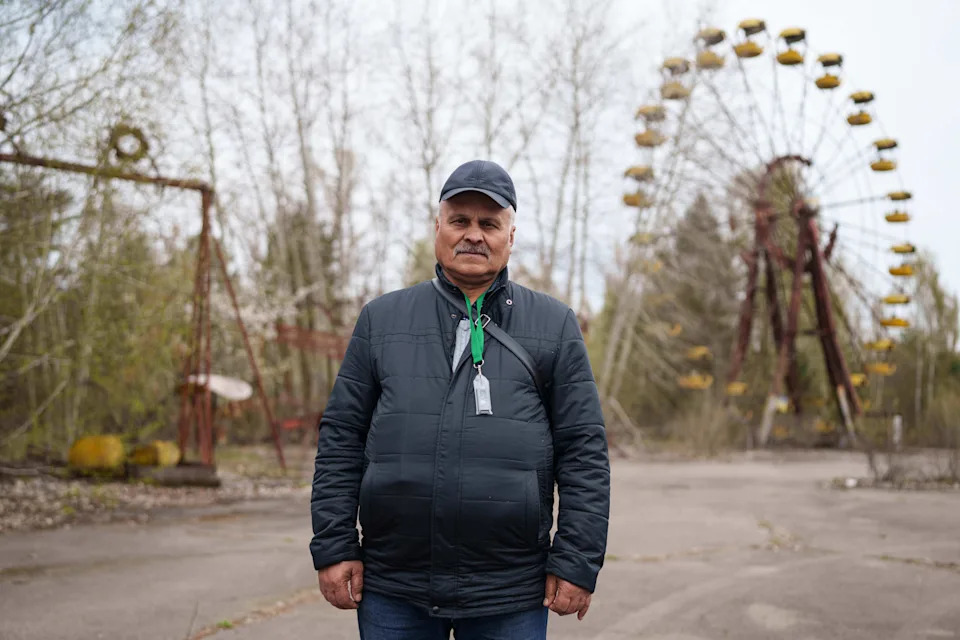
Volodymyr Vechirko, 62, one of the workers who helped decontaminate the area around the Chernobyl nuclear power plant after the 1986 accident, poses for a portrait in the nearby abandoned town of Prypiat, Ukraine, Tuesday, April 21, 2026. (AP Photo/Evgeniy Maloletka)(ASSOCIATED PRESS)
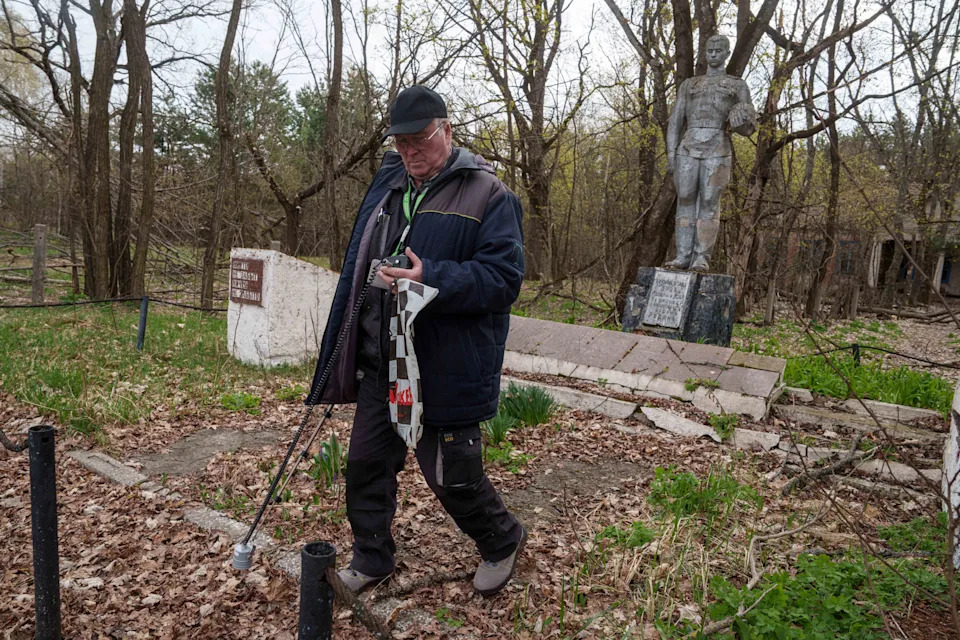
A man measures radiation near the site of the Chernobyl nuclear power plant, Tuesday, April 21, 2026, in Chernobyl, Ukraine. (AP Photo/Evgeniy Maloletka)(ASSOCIATED PRESS)
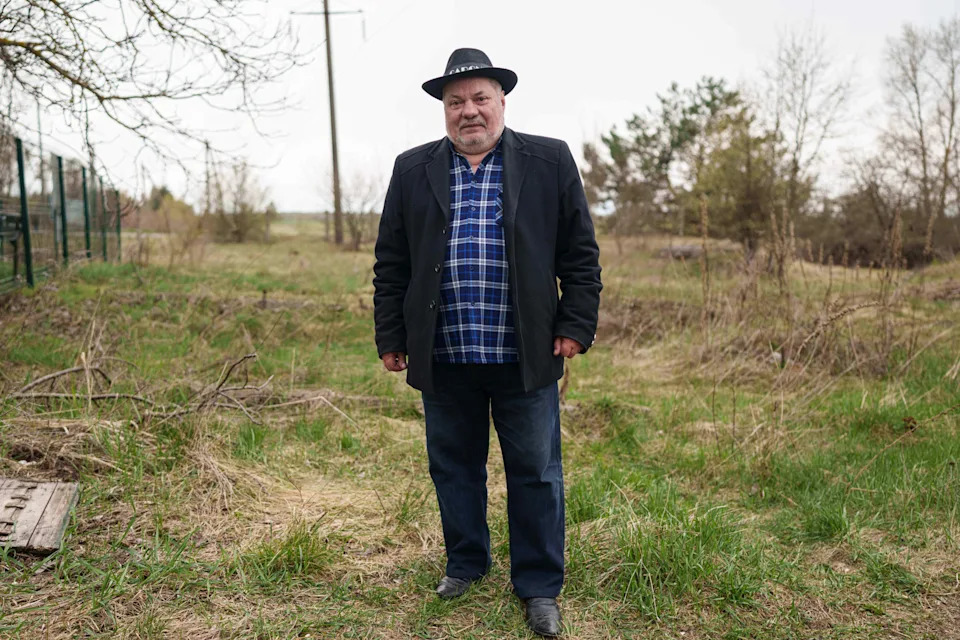
Oleksii Harbyz, 72, part of a unit sent to clean up contamination from the 1986 Chernobyl nuclear plant accident, poses for a portrait near the facility in Chernobyl, Ukraine, Tuesday, April 21, 2026. (AP Photo/Evgeniy Maloletka)(ASSOCIATED PRESS)
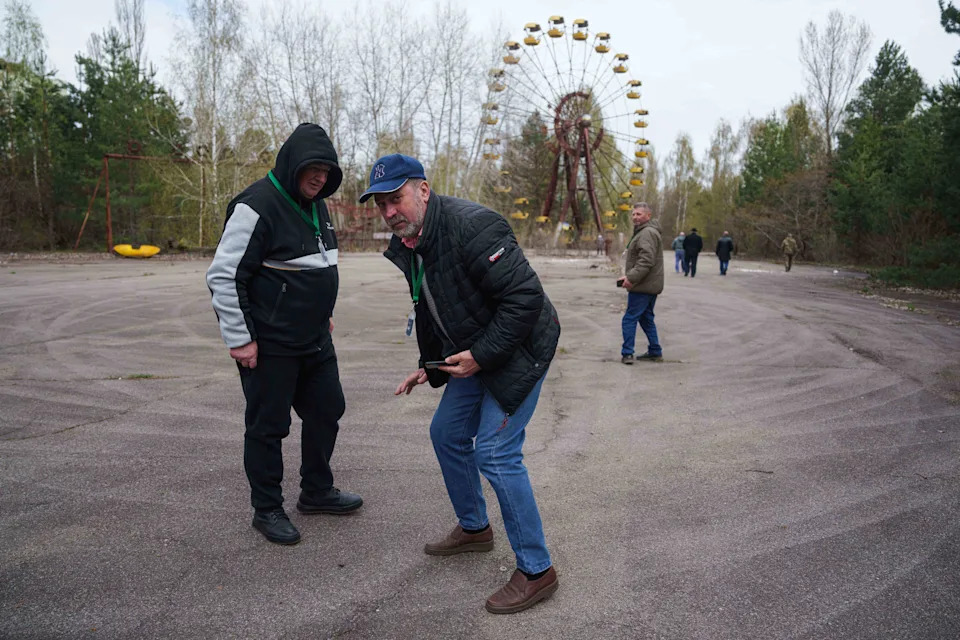
Workers sent to clean up contamination from the Chernobyl nuclear power plant accident walk in the nearby abandoned town of Prypiat, Ukraine, during a return visit to the region, Tuesday, April 21, 2026. (AP Photo/Evgeniy Maloletka)(ASSOCIATED PRESS)
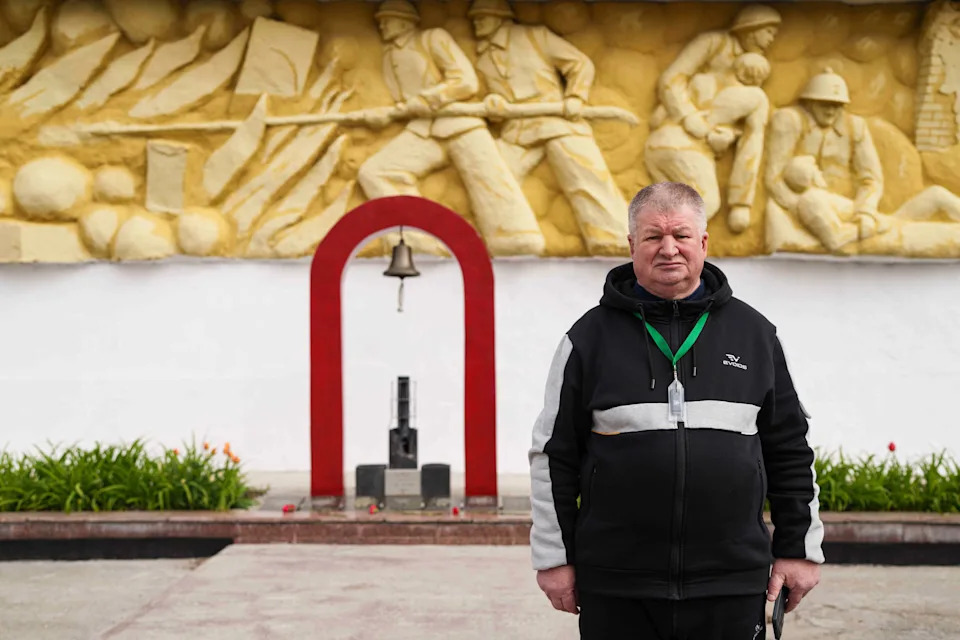
Mykola Chudak, 66, poses for a portrait at a fire department where he served for six months in 1986-87 working within 10 kilometers (6 miles) of the Chernobyl nuclear power plant in Chernobyl, Ukraine, Tuesday, April 21, 2026. (AP Photo/Evgeniy Maloletka)(ASSOCIATED PRESS)
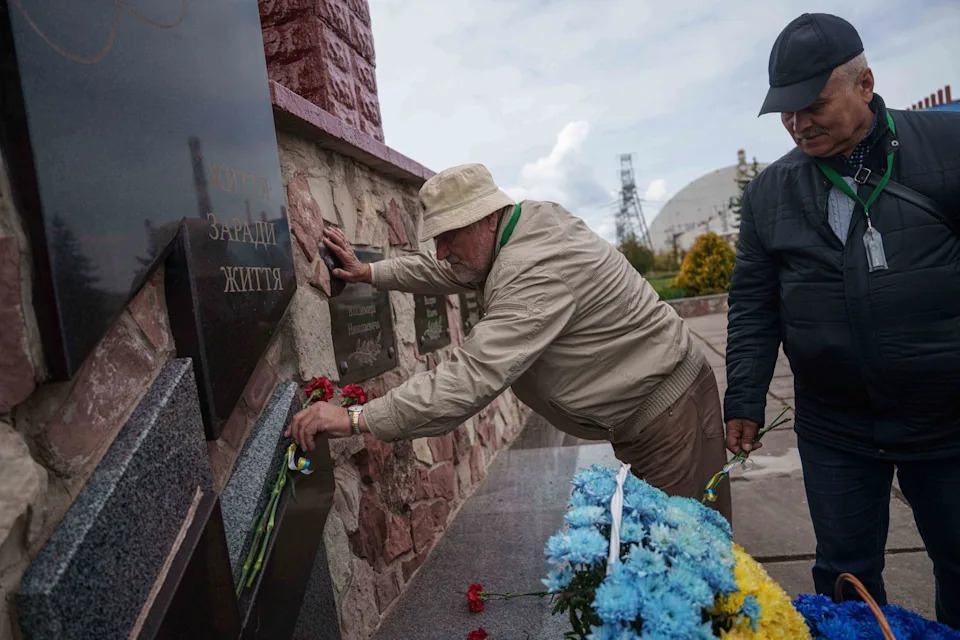
Workers sent to help clean up the effects of the 1986 Chernobyl nuclear power plant accident, place flowers at a monument in front of the facility, Tuesday, April 21, 2026, in Chernobyl, Ukraine. (AP Photo/Evgeniy Maloletka)(ASSOCIATED PRESS)
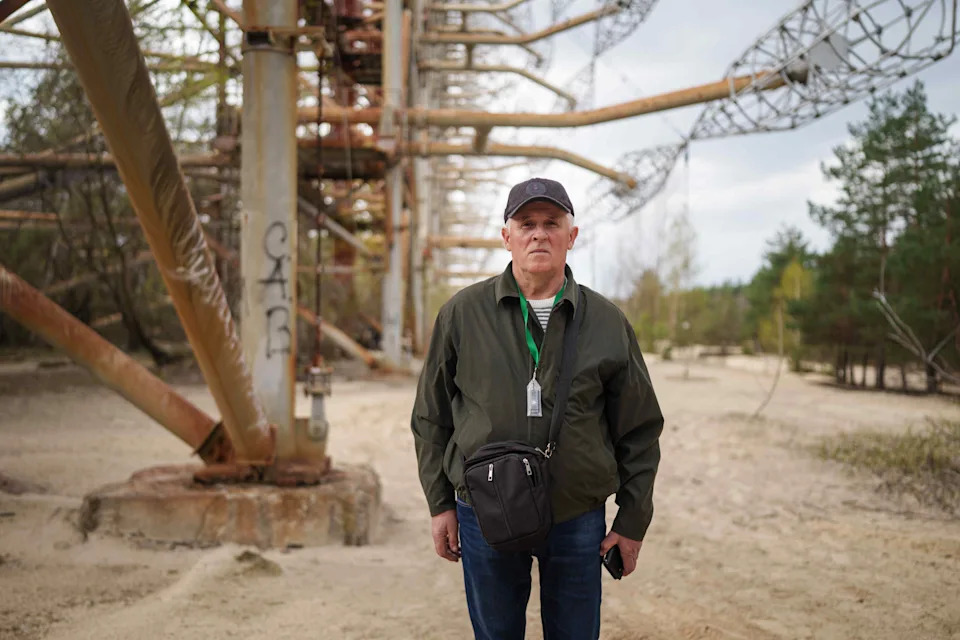
Oleksii Lebedynets, 65, who as a member of the military was sent to the Chernobyl nuclear power plant after the 1986 accident, poses for a portrait near the facility in Chernobyl, Ukraine, Tuesday, April 21, 2026. (AP Photo/Evgeniy Maloletka)(ASSOCIATED PRESS)
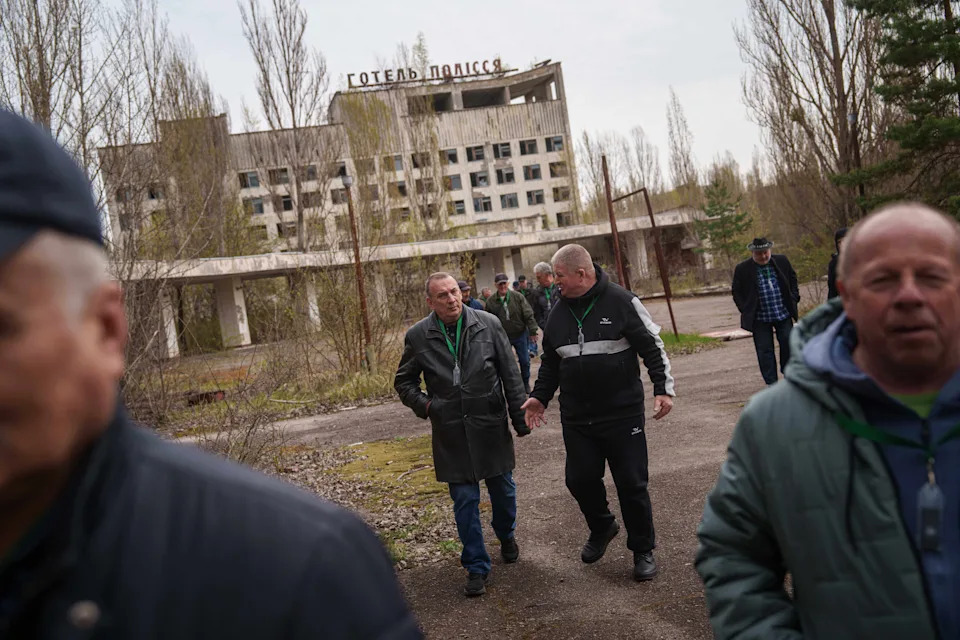
Stanislav Tolumnyi, 65, left, and Mykola Chudak, 66, walk with fellow workers who helped clean up contamination from the 1986 Chernobyl nuclear disaster, in the nearby abandoned town of Prypiat, Ukraine, Tuesday, April 21, 2026, ahead of the 40th anniversary of the accident. (AP Photo/Evgeniy Maloletka)(ASSOCIATED PRESS)
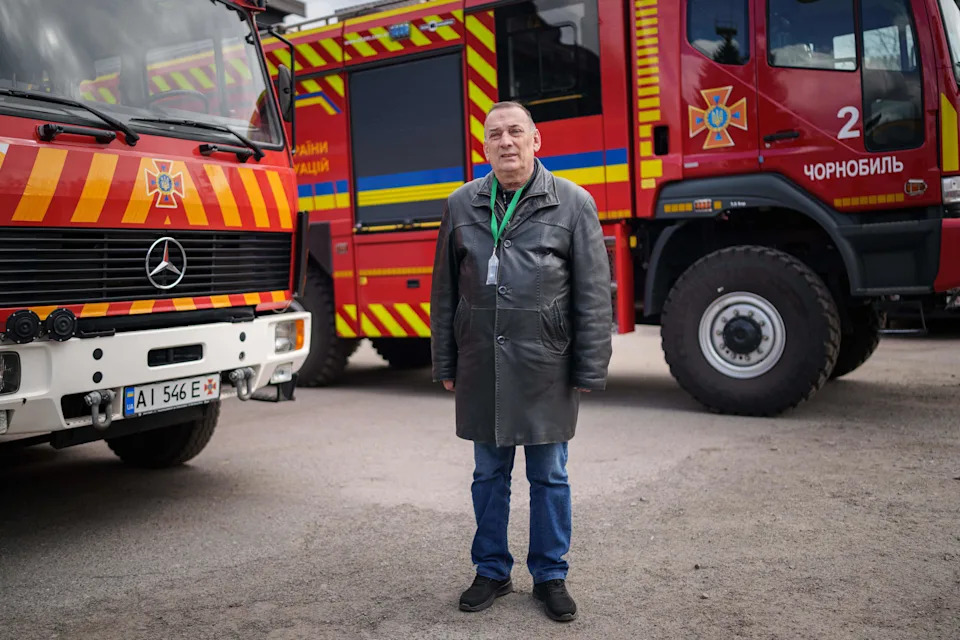
Stanislav Tolumnyi, 65, a firefighter who worked to decontaminate areas near the Chernobyl nuclear power plant after the 1986 accident, poses for a portrait, Tuesday, April 21, 2026, in Chernobyl, Ukraine, at a fire department where he served from 1987 to 1988. (AP Photo/Evgeniy Maloletka)(ASSOCIATED PRESS)
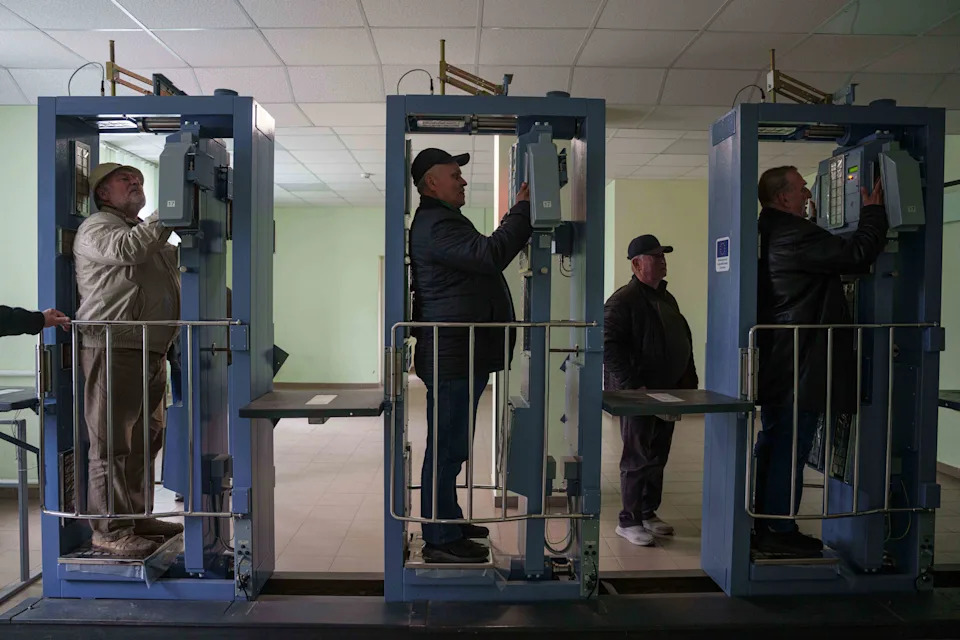
Workers who were sent to clean up contamination from the 1986 Chernobyl nuclear power plant accident, pass through a radiation inspection point, Tuesday, April 21, 2026, at the plant in Chernobyl, Ukraine. (AP Photo/Evgeniy Maloletka)(ASSOCIATED PRESS)
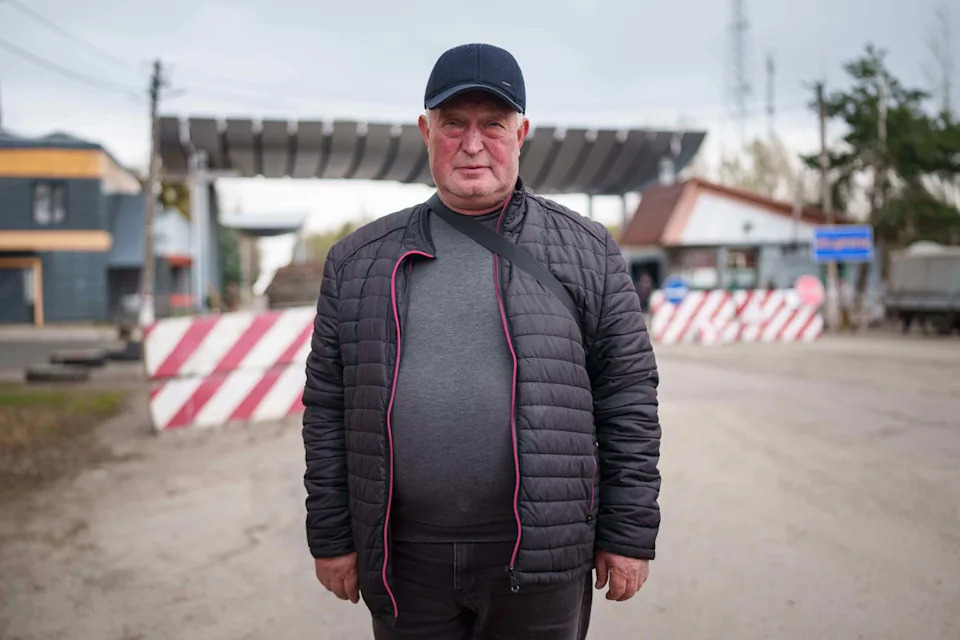
Serhii Buriak, 60, who helped guard abandoned buildings after the 1986 Chernobyl nuclear accident, poses for a portrait near the plant in Chernobyl, Ukraine, Tuesday, April 21, 2026. (AP Photo/Evgeniy Maloletka)(ASSOCIATED PRESS)
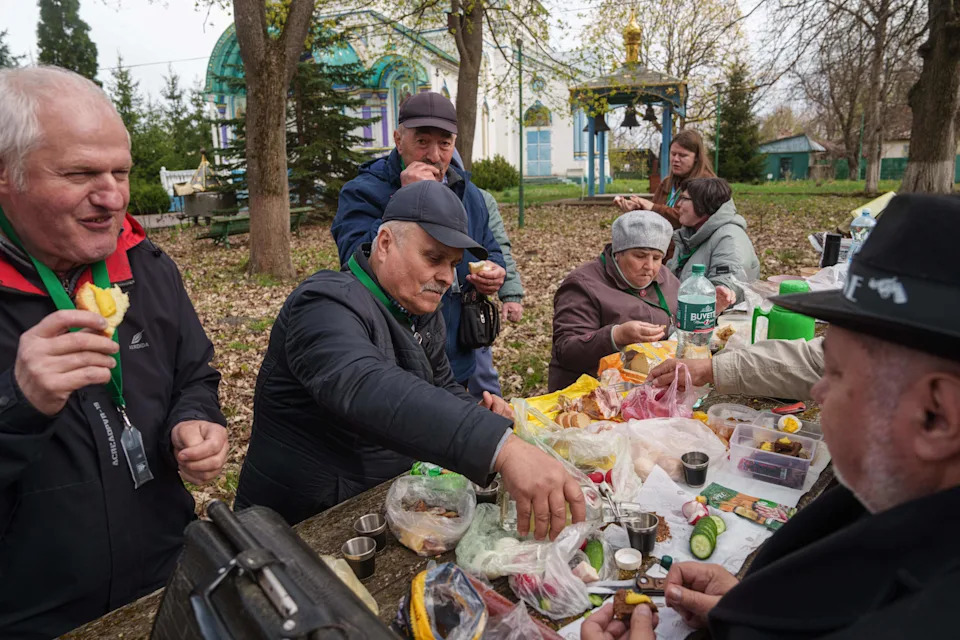
Volodymyr Vechirko, 62, one of the workers sent to clean up contamination from the Chernobyl nuclear power plant, pours vodka during lunch near the plant, Tuesday, April 21, 2026. In Chernobyl, Ukraine. (AP Photo/Evgeniy Maloletka)(ASSOCIATED PRESS)
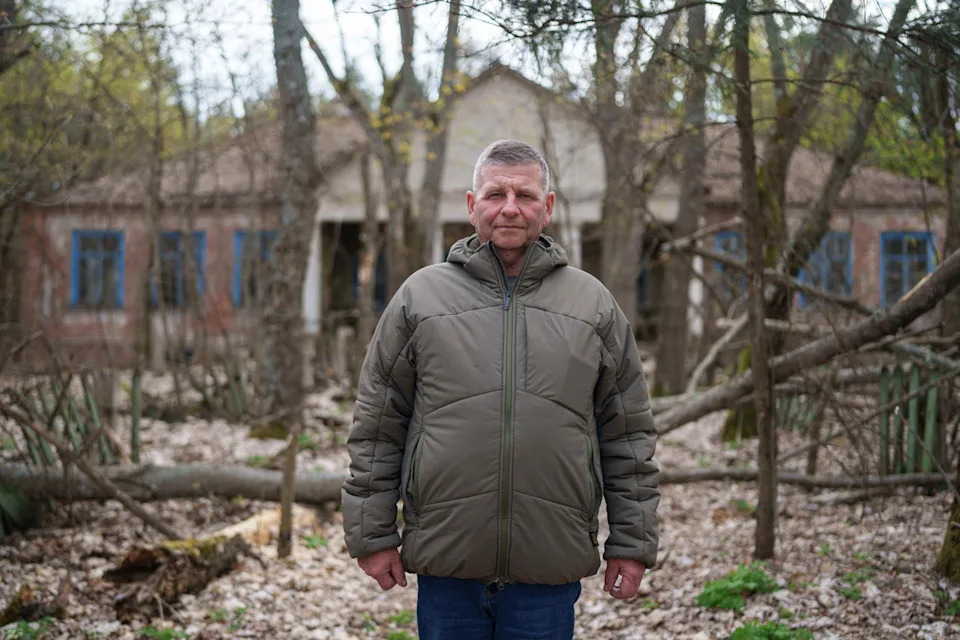
Anatolii Taranenko, 62, one of the workers sent to help clean up contamination from the Chernobyl nuclear power plant accident, poses for a portrait near the facility in Chernobyl, Ukraine, Tuesday, April 21, 2026. (AP Photo/Evgeniy Maloletka)(ASSOCIATED PRESS)
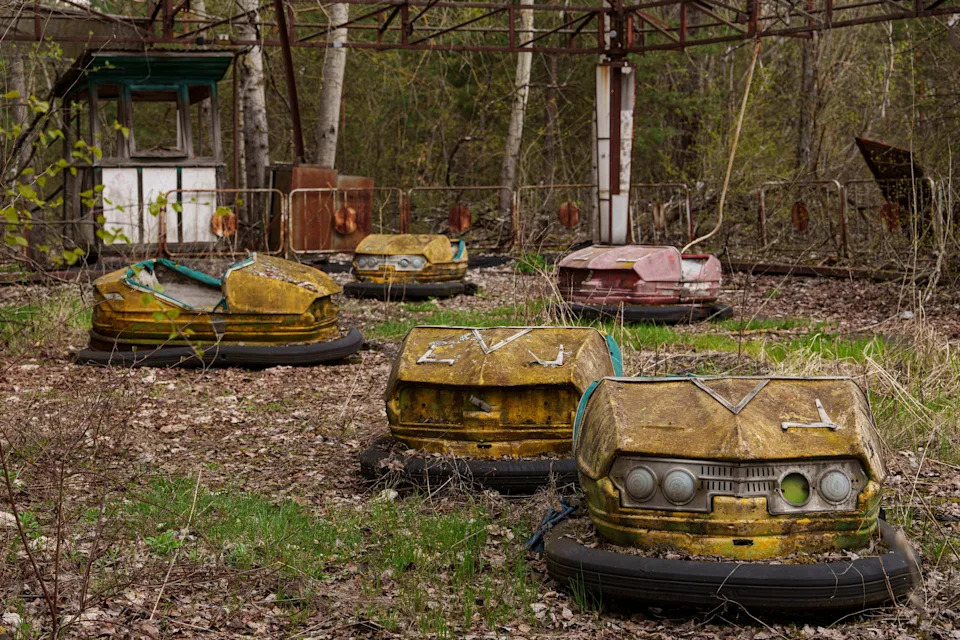
Bumper cars sit idle at an overgrown amusement park in Pripyat, Ukraine, a town left abandoned following the nearby 1986 Chernobyl nuclear disaster, Tuesday, April 21, 2026. (AP Photo/Evgeniy Maloletka)(ASSOCIATED PRESS)
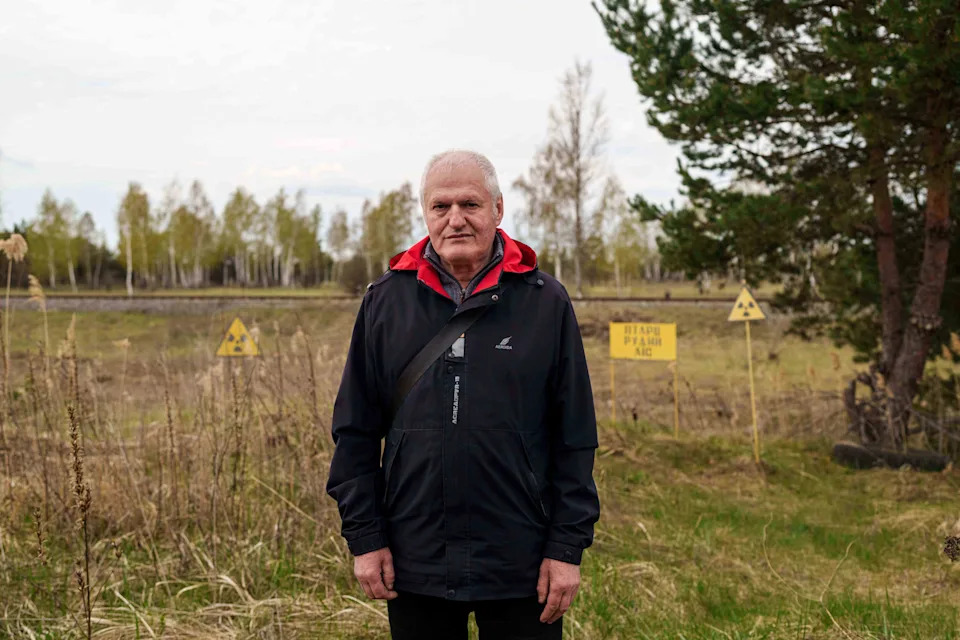
Viktor Hluhovtsov, 66, one of the workers sent to help clean up contamination from the Chernobyl nuclear power plant accident, poses for a portrait near the plant in Chernobyl, Ukraine, Tuesday, April 21, 2026. (AP Photo/Evgeniy Maloletka)(ASSOCIATED PRESS)
Help us improve.