EU leaders approved a long-delayed €90 billion loan for Ukraine and new sanctions on Russia, a decision that Ukrainian President Volodymyr Zelensky said will bolster Kyiv's defence and energy resilience. He immediately urged EU leaders to advance the formal accession process and reiterated his ambition to secure membership by 2027. The agreement follows months of obstruction by Hungary, which had vetoed the package over a pipeline dispute.
EU Clears €90bn Loan For Ukraine as Zelensky Pushes for Accelerated EU Accession
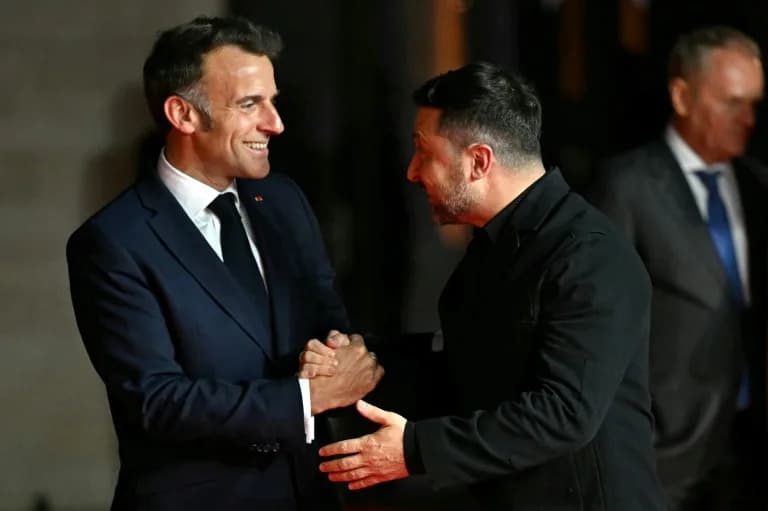
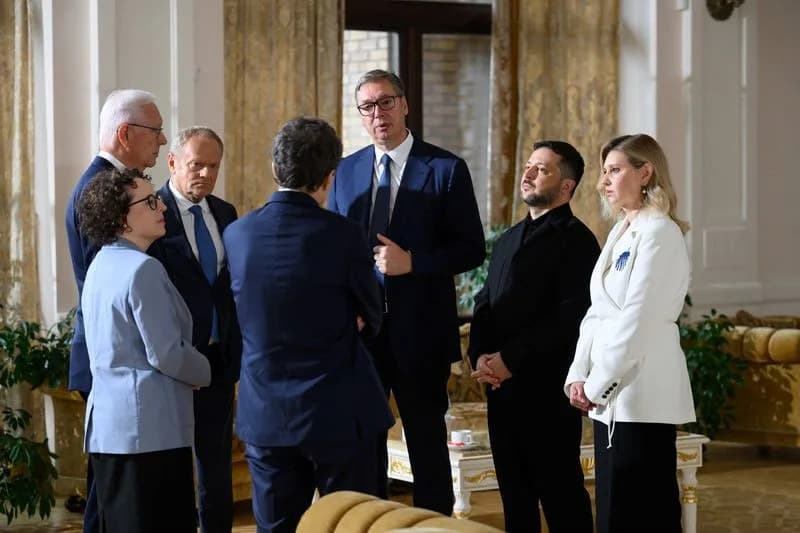
Ukrainian President Volodymyr Zelensky (R) called for the EU to give Ukraine full membership before heading in to talks with EU leaders (NICOLAS TUCAT)(NICOLAS TUCAT/AFP/AFP)
European leaders approved the long-delayed release of a €90 billion ($105 billion) loan for Ukraine on Thursday, alongside a fresh package of EU sanctions on Russia. Ukrainian President Volodymyr Zelensky, who arrived in Ayia Napa for talks with bloc leaders, welcomed the funding but immediately pressed for faster progress on Ukraine's bid to join the European Union.
Funding, Security and Politics
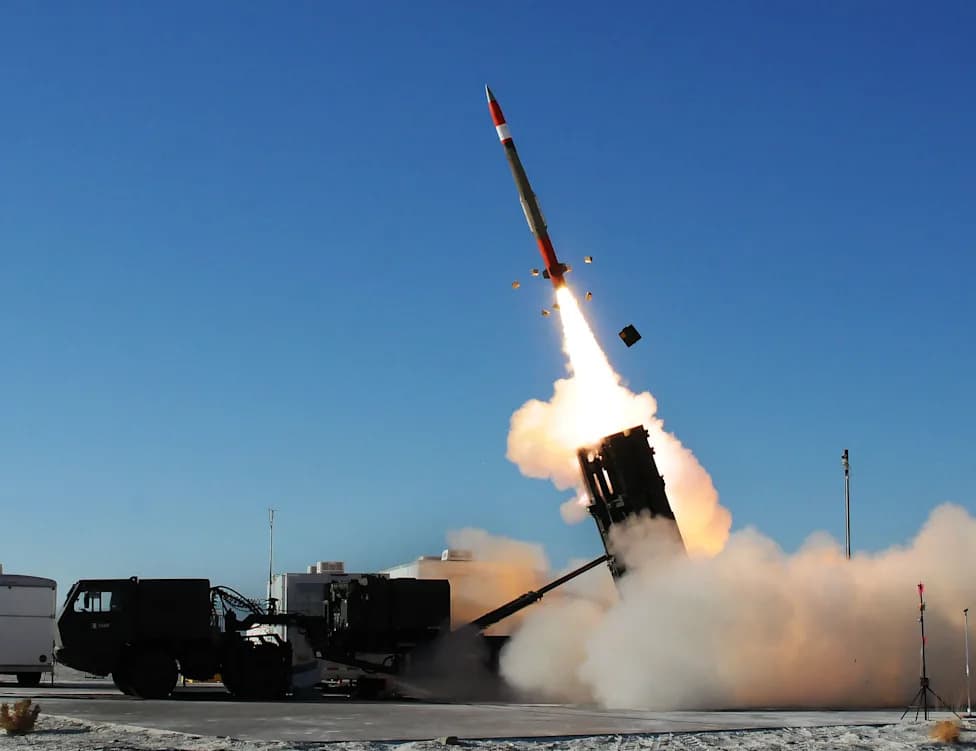
Zelensky said he was "very grateful" for the financing, stressing the funds will help keep Ukraine's armed forces supplied, expand air-defence production and protect critical energy infrastructure. He told reporters he intended to "push everybody" and reiterated his ambition for full EU membership by 2027.
Hungary, the Pipeline Dispute and the Vote
The loan approval comes after months of wrangling with Hungary. Prime Minister Viktor Orbán had repeatedly blocked progress — including the opening of negotiating "clusters" for accession — and used his veto over the package to press Kyiv to repair a pipeline damaged by a Russian strike. After the pipeline was repaired and Russian oil flows resumed to Hungary and Slovakia, the veto was lifted.
European Council President Charles Michel (note: acting as council president) said the EU must "look forward and prepare the next step," framing that step as formally opening the first negotiating clusters for Ukraine's accession.
Division Over Fast-Track Accession
Not all member states favour an accelerated path. Belgium's Prime Minister Bart De Wever emphasised a merit-based approach, saying "fast tracks are not possible," and Luxembourg's Prime Minister Luc Frieden underscored that membership requires meeting conditions. French President Emmanuel Macron stopped short of endorsing fast-tracking but urged the European Commission to publish a clear timetable and list of actions for the coming weeks. Zelensky has repeatedly rejected proposals for a merely symbolic or limited status, insisting Kyiv seeks full EU membership.
Wider Agenda
With the Ukraine row resolved for now, EU leaders will turn to other global challenges, notably the war in the Middle East and its fallout — including surging energy prices and jet fuel shortages linked to tensions around the Strait of Hormuz. Cyprus, which holds the EU rotating presidency, was recently drawn into regional tensions after a drone strike hit a British base on the island.
Leaders will also meet counterparts from Lebanon, Egypt, Syria and Jordan for "intensive dialogue," and begin discussions on the EU's 2028–2034 budget. The European Commission has proposed a significantly larger budget approaching €2 trillion, but national governments remain cautious about increasing contributions and aim to reach a final agreement by the end of 2026.
Timing: Kyiv expects disbursement of the €90 billion by late May or early June at the latest.
Help us improve.