Brian Oliver, an 85-year-old Florida retiree, lost $200,000 after responding to a convincing fake PayPal email that led him to a mirrored Bank of America page and scripted phone callers. Scammers guided him to use a crypto ATM and then to liquidate investments and buy gold, which a courier collected after giving the password "blue." Gainesville police staged a sting, arrested courier Seth Wayne (later sentenced to 18 years), and exposed a larger network tied to nearly $8 million in elder thefts. Detectives advise pausing for 10 seconds, verifying institutions via official channels, never following requests to buy gold or use crypto ATMs on demand, and telling a trusted person before moving funds.
How an 85-Year-Old Florida Retiree Lost $200,000 in a Sophisticated Fake PayPal Refund Scam

Brian Oliver shares how a routine-looking email pulled him into a sophisticated refund scam that cost him $200,000.(Getty Images)
Brian Oliver, an 85-year-old retiree with a diversified stock-and-bond portfolio, lost $200,000—almost half of his retirement savings—after responding to a convincing email that appeared to be from PayPal. The fraudsters used a mirrored Bank of America webpage, fake phone numbers and scripted callers to guide him through a sequence of actions that ended with a courier collecting gold coins from his home.
The scheme began with an email claiming PayPal owed Oliver a refund. A phone number in the message connected him to a man calling himself "Andrew Johnson." The caller told Oliver to type the number 100 on his computer to begin the process, then falsely claimed Oliver had entered 10,000. When Oliver checked his bank account, a counterfeit site that perfectly mimicked Bank of America’s interface displayed a $10,000 balance and a contact phone number. That number routed him to another impostor identifying himself as "Josh."
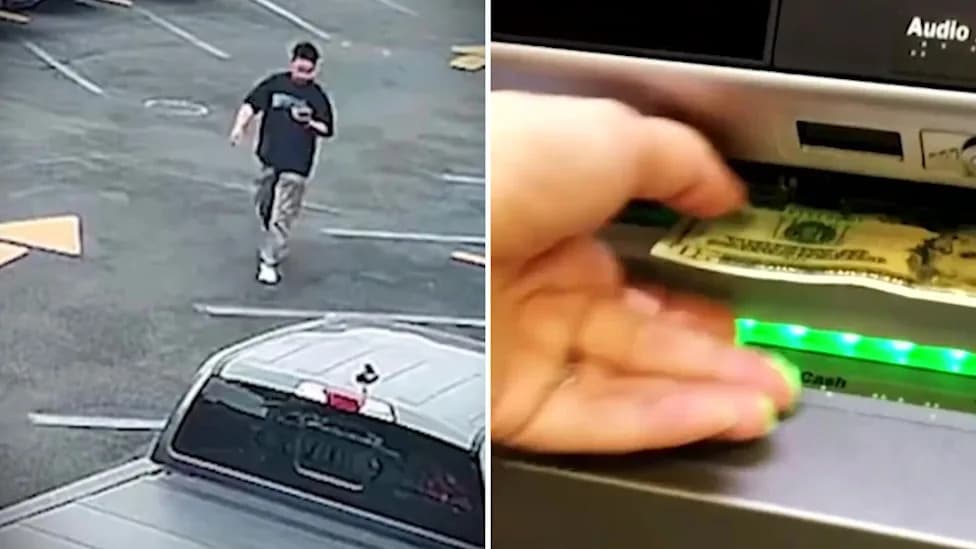
Josh instructed Oliver that the only way to return the money without incurring a $3,500 tax penalty was to withdraw $10,000 in cash and feed it into a cryptocurrency ATM. Guided by the scammer, Oliver carried $10,000 in cash into a downtown ATM, fed one hundred $100 bills into the machine and photographed the receipt to send to Andrew.
Minutes later, Andrew told Oliver to type 200. The fake bank page then displayed $200,000 in Oliver’s account. The scammers escalated their instructions: the crypto ATM method would not work for such a large sum, they said, and Oliver needed to liquidate investments, convert $200,000 to cash and use it to buy gold coins. They warned him not to tell anyone and even advised him that telling his broker could create tax problems.

The scam began with a convincing message and quickly escalated as criminals guided Brian Oliver step by step through fake account activity.
Under pressure, Oliver told his broker he planned to buy a rental property so the broker would process a sale. He then purchased gold coins for $198,560, waited several days for the check to clear while staying in constant contact with Andrew, and prepared for collection. The scammers told him the courier would request a password—"blue"—before taking the box. When a man in a black Mustang arrived and spoke the password, Oliver handed over the box and lost the money.
The next day the scammers claimed another $200,000 had appeared in Oliver’s account and demanded the process be repeated. That second demand snapped Oliver out of the scam’s pressure. He hung up and called the Gainesville Police Department.
Law Enforcement Response and Convictions
Detective Justin Torres of the Gainesville Police Department took the call and quickly organized a sting. Because Oliver had photographed the gold and the receipt at the scammers’ direction, Torres had roughly a day and a half to set up surveillance. Officers from the department’s Gun Violence Initiative unit covertly monitored Oliver’s home while he stayed on the line with the scammers to maintain contact.
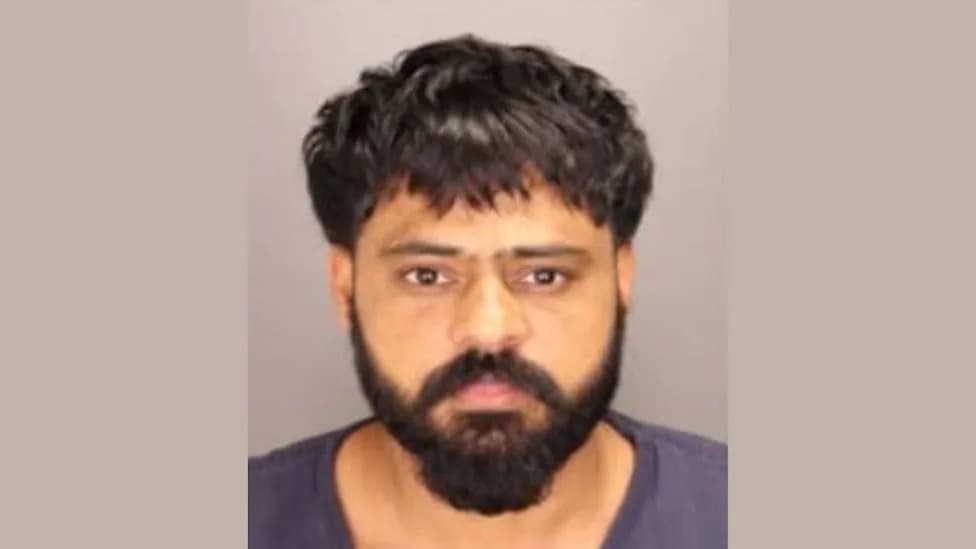
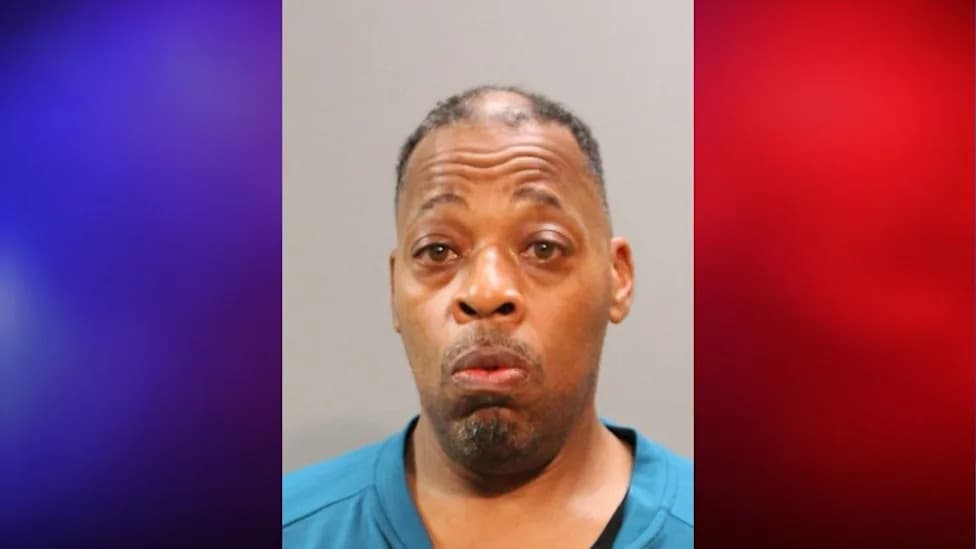
When the courier—later identified as Seth Wayne—arrived, officers arrested him. Wayne was later sentenced to 18 years in prison. A second courier, Atharva Shailesh Sathawane, 22, was convicted by a federal jury on charges of conspiracy to commit wire fraud and money laundering; court filings link him to more than 30 transactions that helped move nearly $8 million from elderly victims. He faces substantial prison time and is appealing his conviction.

Scammers often operate behind the scenes, using technology and social engineering to manipulate victims into handing over cash or valuables.
Testimony at Wayne’s trial revealed many victims across Florida who lost large sums after being pressured into buying gold or cashing out assets. Reported losses include $1.8 million, $4.9 million and more than $1 million in separate pickups. One victim sold her condo and drained life savings while her husband was in hospice care.
How the Scam Works
Investigators say the core operation is run from call centers overseas that craft believable scripts and gather personal data from public sources. Domestic couriers pick up cash or gold and deliver it to controllers, often meeting in public parking lots or via local intermediaries. Once cash or gold leaves a victim’s hands, recovery is extremely difficult.
Phone-based scammers frequently use real details—account numbers, addresses or recent transactions—to build trust. They will mirror bank websites, embed fake contact numbers, and guide victims step-by-step through actions like ATM deposits, crypto transfers or gold purchases to keep control of the interaction.
Practical Advice and Red Flags
Detective Torres: "If you pause these scams for just 10 seconds, many of them will fall apart."
- Pressure and Urgency: Scammers manufacture urgency to force immediate action. If a caller insists you must act now, that is a major red flag.
- Unverified Phone Numbers: Never call a phone number provided during a suspicious message. Look up the institution’s official number yourself or use the official app.
- Requests to Isolate: If someone tells you not to tell family, your broker or a friend, hang up. Isolation is a tactic to prevent you from seeking help.
- Unusual Payment Methods: Legitimate companies, banks and government agencies will not ask you to withdraw cash, load a crypto ATM, or buy gold to fix a transaction.
- Pause and Verify: Take even ten seconds to think, call someone you trust, or contact law enforcement and your bank through official channels.
- Data Exposure: Consider removing personal information from data-broker and people-search sites to reduce targeted attacks.
Brian Oliver went public with his story to warn others even though he now faces severe financial hardship. His brief pause—triggered by a second $200,000 demand—was ultimately what saved him from further loss and allowed police to intervene. That instinct, investigators say, can be a victim’s most effective defense.
PayPal spokesperson statement (excerpt): "We do not tolerate fraudulent activity and encourage customers to verify suspicious communications through official channels such as the PayPal app and our Contact Us webpage."
If you encounter similar contact, hang up, verify through official channels and report it to local police and the appropriate federal agencies (FTC, FBI or the bank involved).
Help us improve.