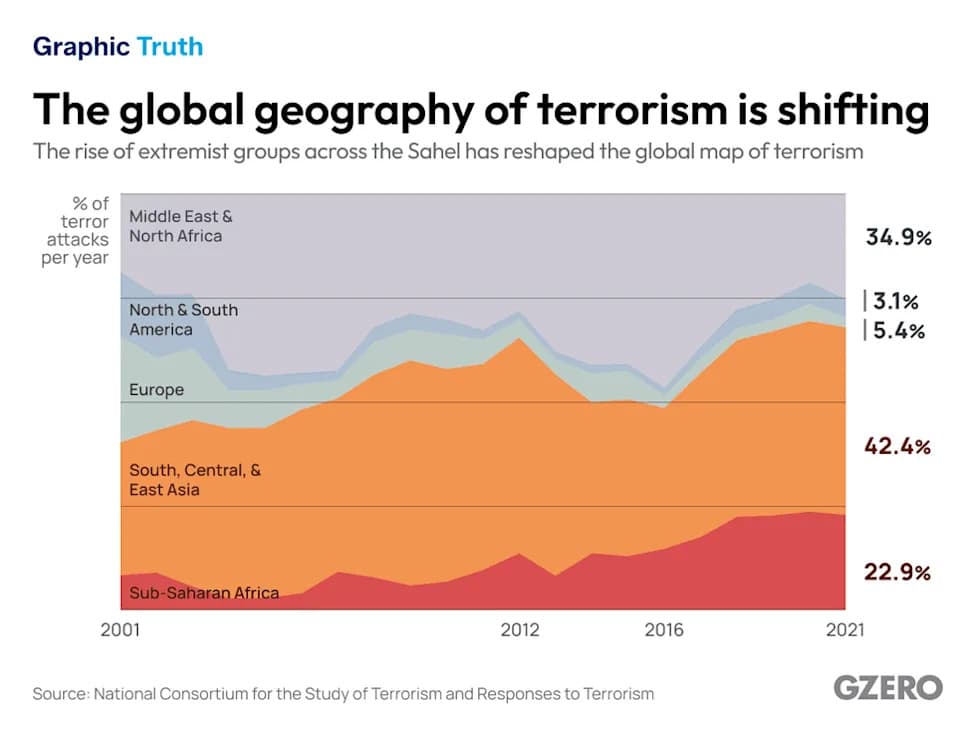
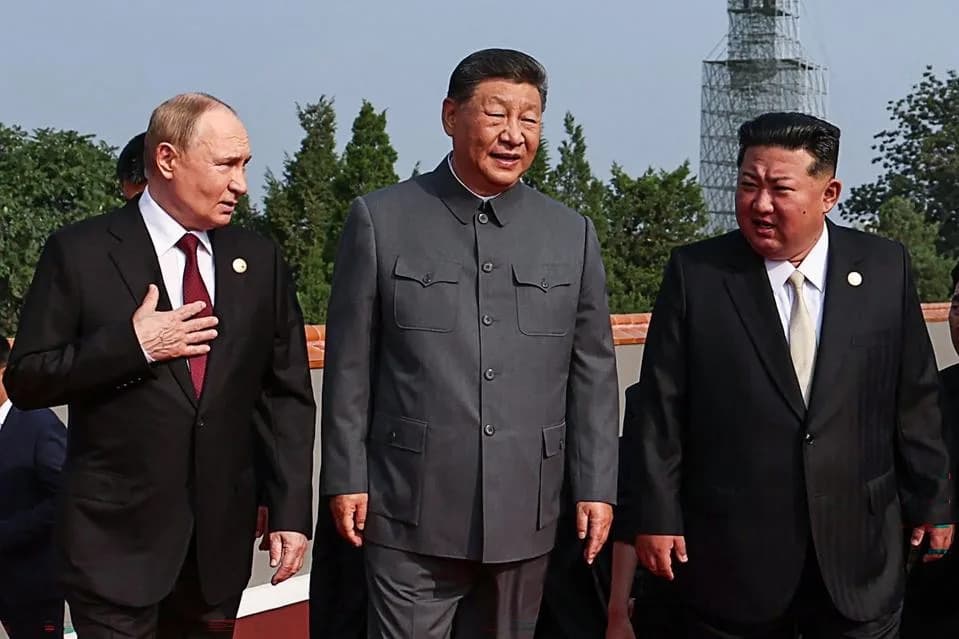
Russia is expanding its military presence across West Africa as ties with the US and Europe weaken. An investigation by The Sentry found Moscow used a "shadow fleet" to move heavy equipment, appearing to bypass Western sanctions. Analysts warn Russian security aid often requires economic concessions. Meanwhile, Boko Haram’s recent attacks in Nigeria and Niger’s consideration of conscription highlight a deteriorating regional security situation.
Russia Deepens Military Ties Across West Africa Amid Rising Instability
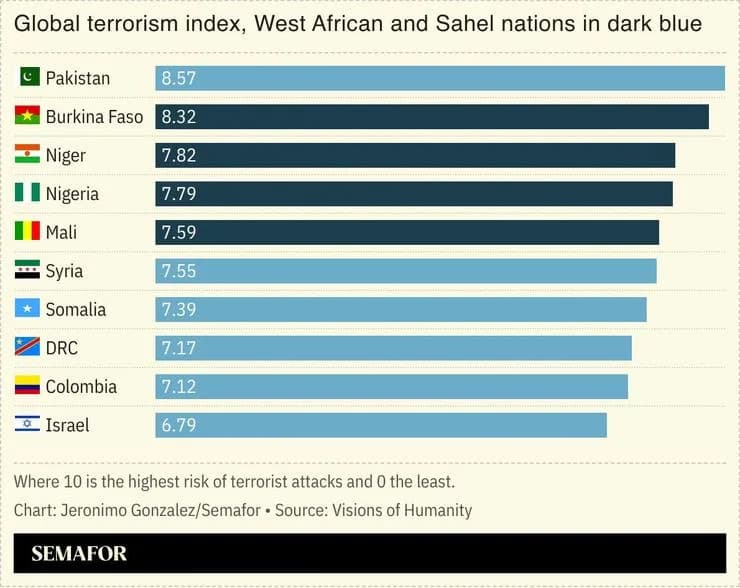
A chart showing the global terrorism scores for select countries.
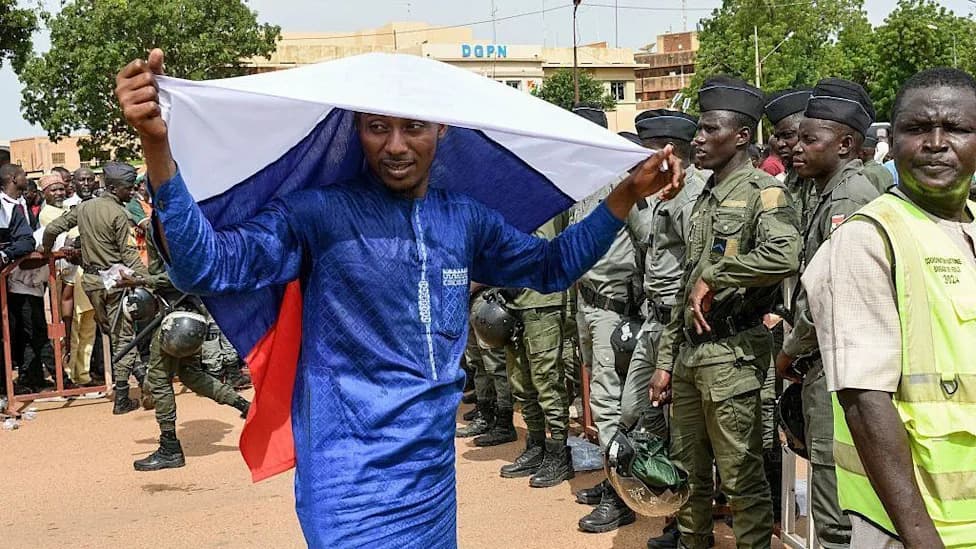
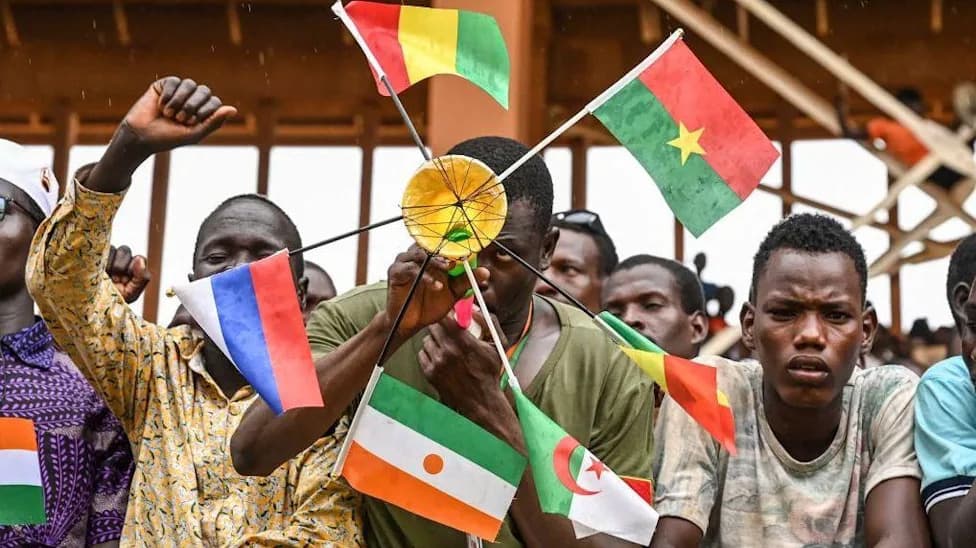
Russia is steadily expanding its military footprint across West Africa, positioning itself to fill a gap left as ties between the region and the United States and European countries have weakened.
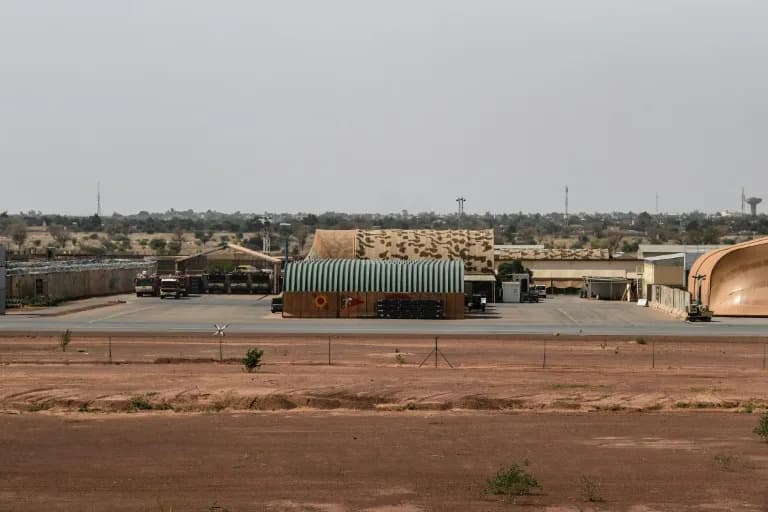
An investigation by The Sentry found that Moscow has used a so‑called "shadow fleet" to ferry heavy equipment to allied governments, a practice that appears to sidestep Western sanctions and scrutiny. The shipments underscore how military support can be delivered through indirect commercial and maritime channels.
Analysts warn that Russian security assistance often comes with strings attached: in exchange for training, equipment or private security support, Moscow frequently seeks significant economic concessions or privileged access to natural resources and strategic infrastructure.
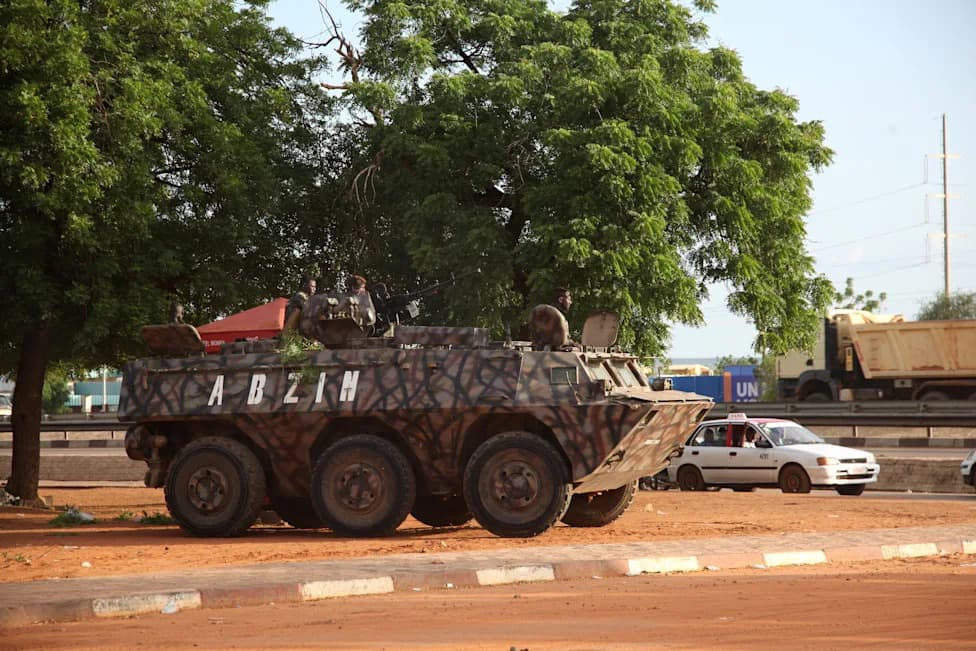
The security outlook in West Africa has also deteriorated. The Islamist group Boko Haram killed dozens in Nigeria on Wednesday, bringing the toll to hundreds of fatalities so far this year. Niger has said it may introduce military conscription as part of efforts to confront growing armed threats. These developments have heightened humanitarian concerns, displaced communities, and strained local forces.
What This Means
The combination of widening Russian engagement and worsening violence could reshape regional security dynamics and economic arrangements. Observers say transparency, strong regional cooperation, and sustained international humanitarian support will be essential to protect civilians and preserve countries’ sovereignty when negotiating foreign security partnerships.
Key takeaway: Military assistance can bring immediate security benefits but may carry long-term political and economic costs for partner countries.
Help us improve.