The article argues that U.S. mainstream media have retreated from rigorous international reporting, weakening public debate on wars and interventions. It contrasts the Iraq War—where media failures amplified false claims—with a more recent, less-scrutinized conflict with Iran that began without robust public discussion. The author recounts independent reporting on a leaked Pakistani "cipher" showing U.S. diplomatic pressure to remove Imran Khan and criticizes major outlets for largely ignoring the story. The piece calls for renewed investment in foreign bureaus and deeper investigative journalism to prevent future policy failures.
When the Watchdog Went Silent: How U.S. Media Failed Foreign Policy
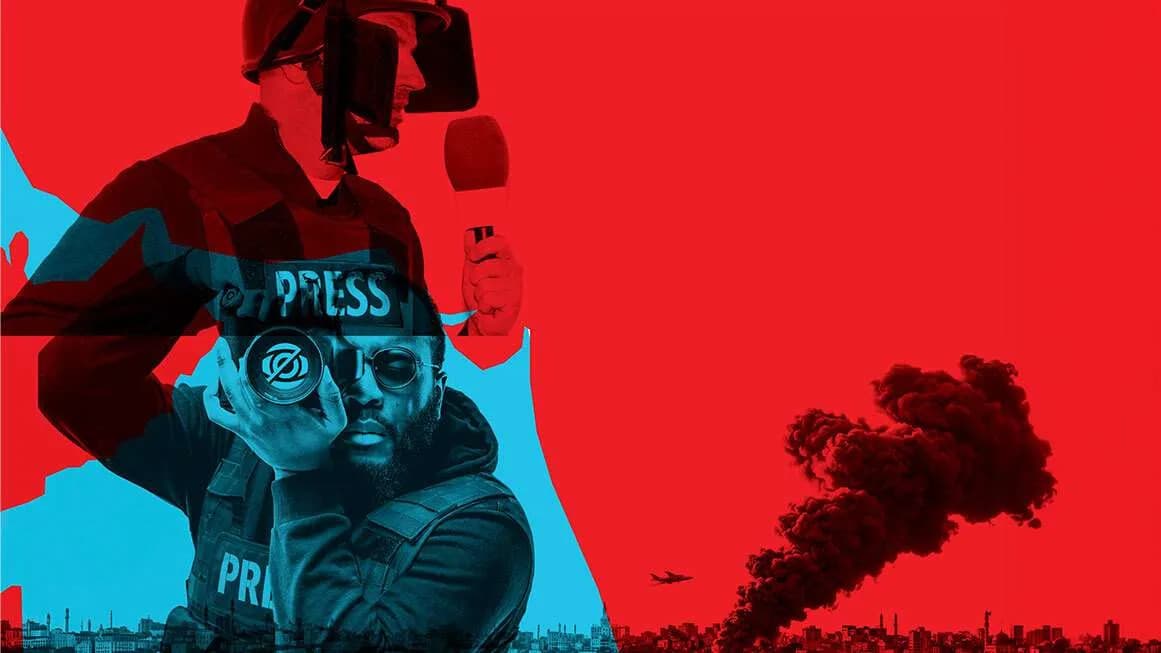
How the Media Failed American Foreign Policy
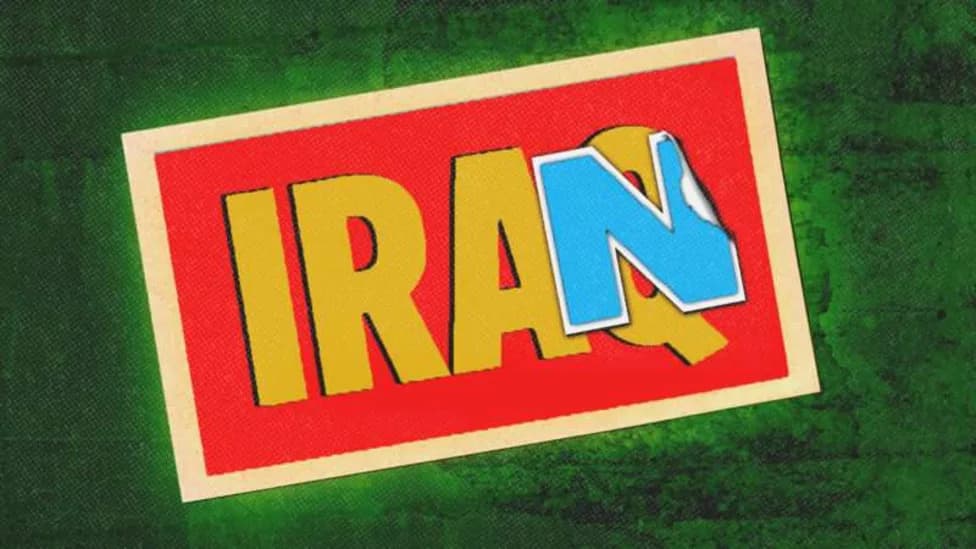
The U.S. invasion of Iraq was preceded by a bruising public debate over claims that Saddam Hussein was developing chemical and biological weapons—claims that proved false. The war cost thousands of American lives and hundreds of thousands of Iraqi civilian lives, and it is widely remembered as a failure of both the foreign-policy establishment and the journalists who were supposed to hold it to account.
From Iraq's Lessons to a Quieter March to War
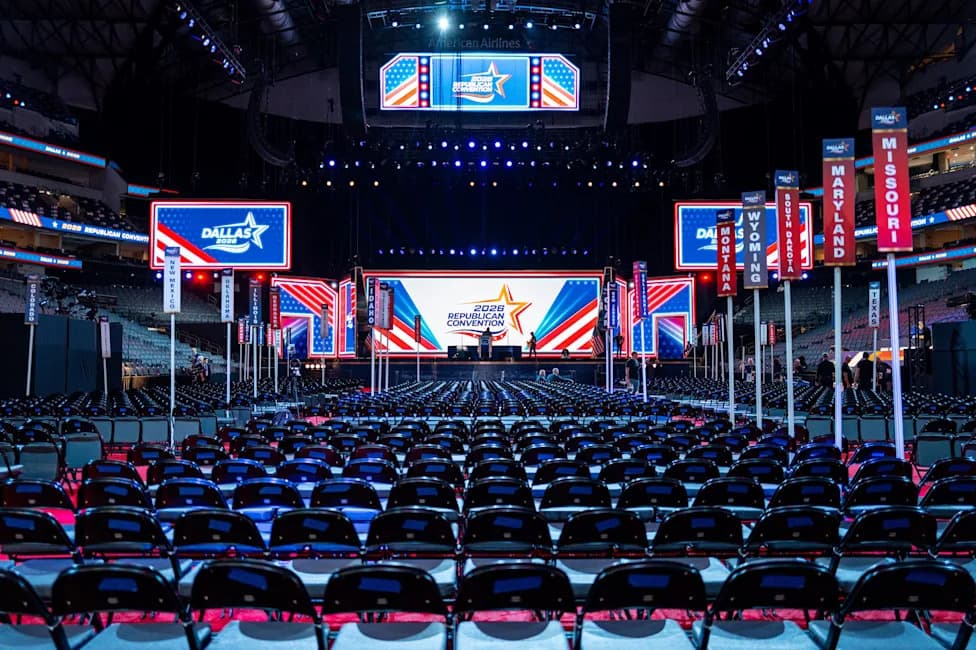
Yet the more recent conflict with Iran exposed a new and troubling pattern: a near-total lack of public scrutiny before hostilities began. In late February, the United States opened hostilities against Iran without sustained national debate about the costs, risks, objectives, or moral stakes. By mid-March it was apparent that officials had not planned contingencies for likely Iranian responses—most dangerously, the possibility of Tehran closing the Strait of Hormuz, a chokepoint that carries roughly 20 percent of global energy flows. That disruption has already pushed oil prices higher and raised the risk of broader economic shock.
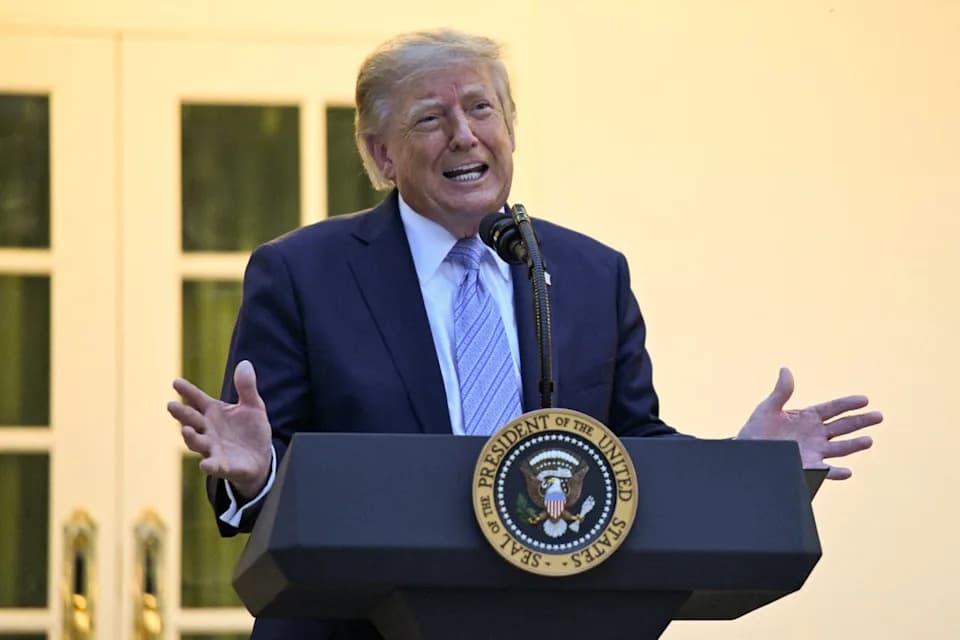
As the administration moved ships, aircraft, and personnel into the region, many journalists did not robustly press leaders about shifting rationales for the campaign. Explanations offered by President Donald Trump ranged from protecting Iranian protesters to imposing regime change, dismantling missile capabilities, and preventing a nuclear program that he claimed had been neutralized the year before. These conflicting accounts went largely unchecked in the public forum.
The Pakistan "Cipher" And A Missing Story
Independent reporting can show how U.S. policy reverberates abroad. In 2023, a colleague and I published a top-secret Pakistani intelligence document—known in Pakistan as a "cipher"—that recorded a tense March 2022 meeting between a senior State Department official, Donald Lu, and Pakistan's ambassador to the United States. The document suggested U.S. officials privately warned that a no-confidence vote against then–Prime Minister Imran Khan would improve bilateral relations, while implying consequences if Khan remained in power.
"I think if the no-confidence vote against the Prime Minister succeeds, all will be forgiven in Washington because the Russia visit is being looked at as a decision by the Prime Minister," the document quotes Lu as saying. "Otherwise, I think it will be tough going ahead."
The Pakistani military moved the no-confidence vote the day after the meeting and Khan was removed a month later. His subsequent imprisonment and reported mistreatment—including loss of sight in one eye amid neglectful conditions—sparked uproar in Pakistan when the cipher was published. Major U.S. outlets such as The Washington Post and The New York Times largely ignored the disclosure even as it dominated domestic Pakistani news; one Times correspondent publicly disputed our reporting and the paper did not pursue the matter further.
Decline Of Foreign Bureaus And Watchdog Capacity
This omission is not isolated. Over decades, U.S. media have pared back foreign reporting: between 1998 and 2011 at least 20 outlets eliminated foreign bureaus, and further cuts followed as newsroom business models collapsed and advertising shifted to tech platforms. Once-robust international desks were downsized or shuttered, and some news organizations reduced foreign coverage to occasional "parachute" reporting and social-media-driven commentary. Earlier this year one major paper cut roughly a third of its newsroom and closed several remaining foreign bureaus.
At the same time, public interest in international news has waned. A Chicago Council on Global Affairs study found only about one-third of Americans express interest in international news, and the majority felt unsure they could evaluate the truth of what they do encounter. The result: less informed public debate about foreign-policy choices that have global consequences.
Consequences: Avoidable Tragedies And After-The-Fact Scrutiny
The recent campaign against Iran included attempts to decapitate political leadership and strikes that hit civilian targets. Among the worst outcomes was the bombing of a girls' elementary school in southern Iran, which reportedly killed at least 168 children, and a separate strike on a sports facility that killed 21 people. Subsequent investigations by several mainstream outlets pointed to a likely U.S. Tomahawk missile as the cause of the school strike, and reporters later confronted President Trump about the incident. Those investigations were important, but stronger scrutiny before escalation might have reduced the risk of such tragedies.
What Needs To Change
Higher-quality foreign reporting requires sustained investment in international desks, newsroom resources to pursue complex investigations, and an engaged public willing to evaluate tradeoffs in U.S. policy. Independent outlets and whistleblowers can fill gaps, but they cannot substitute for a broad, well-resourced press corps. Without those reforms, the pattern of underinformed decisions followed by retrospective justifications is likely to continue.
Note: This piece first appeared on Reason.com.
Help us improve.