The U.S. military has created the SOUTHCOM Autonomous Warfare Command—the first autonomous warfare command inside a combatant command—to deploy unmanned and semi-autonomous systems across Latin America and the Caribbean. Gen. Francis Donovan says the unit will support national security priorities by targeting narcoterrorist and cartel networks, assisting disaster response, and strengthening partner cooperation. SOUTHCOM plans to integrate AI, human-machine teaming and commercial technologies while coordinating with the Defense Autonomous Warfare Group to field needed capabilities.
U.S. Creates First Autonomous Warfare Command In Latin America To Deploy Unmanned Systems
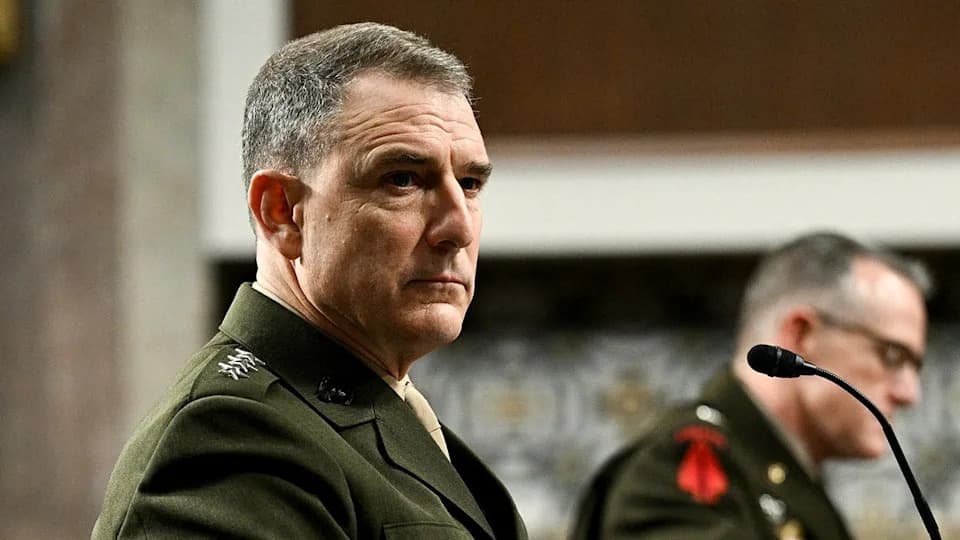
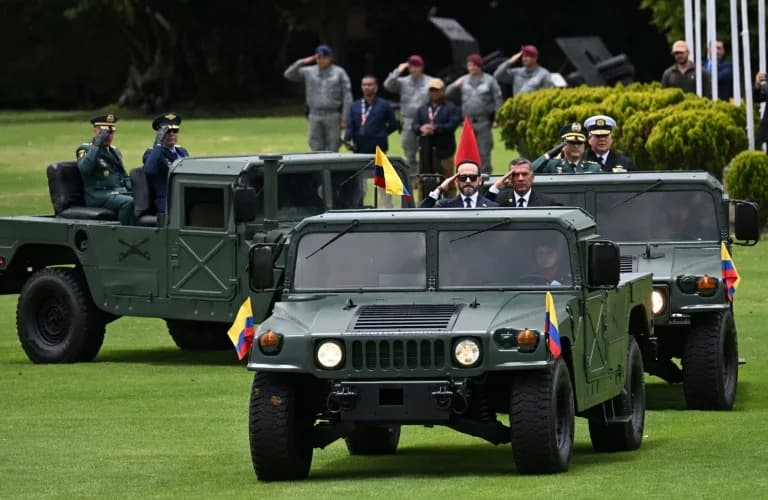
Gen. Francis Donovan, head of U.S. Southern Command, said the military is advancing the use of drones and autonomous systems in regional operations.(Getty Images)
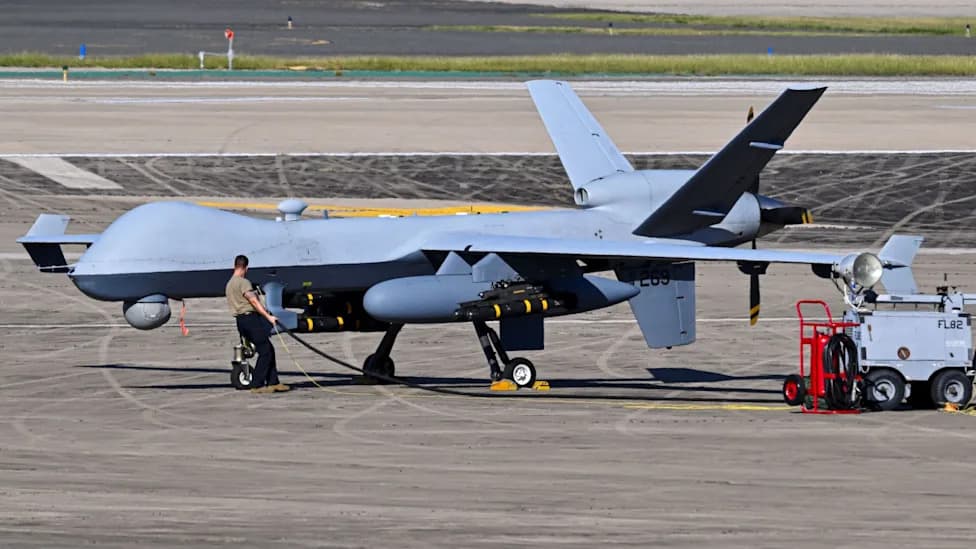
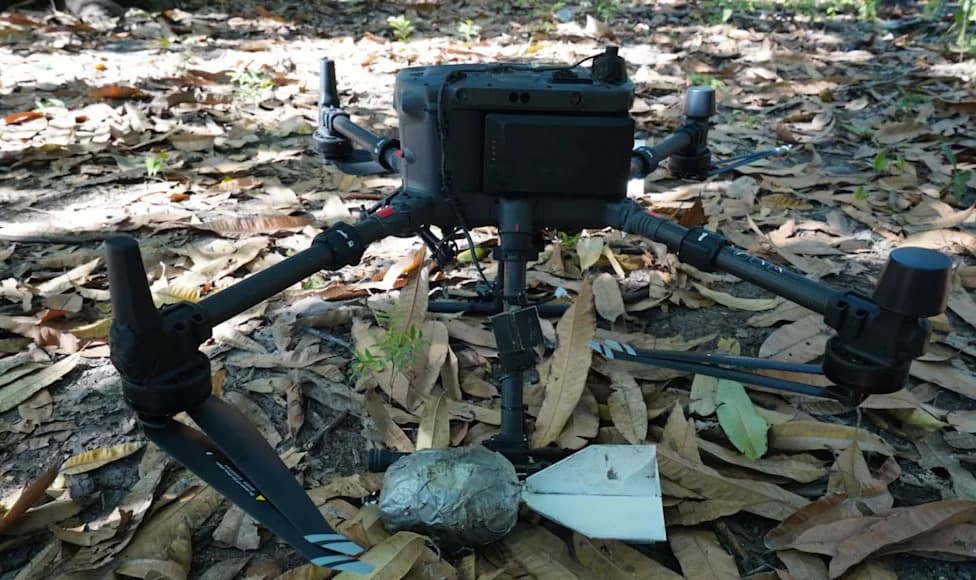
The U.S. military has established the SOUTHCOM Autonomous Warfare Command, the first-ever autonomous warfare command embedded within a combatant command, to deploy unmanned, semi-autonomous and autonomous systems across Latin America and the Caribbean.
Gen. Francis Donovan, commander of U.S. Southern Command (SOUTHCOM), announced the new command as part of efforts to advance national security priorities and strengthen regional cooperation.
"From the seafloor to space and across the cyber domain, we fully intend to leverage the clear superiority of the American defense ecosystem by deploying cutting-edge innovation and working ever closer with our enduring partners in the region to outmatch those who threaten our collective peace and security," Donovan said.
SOUTHCOM says the new unit will employ a range of platforms—autonomous, semi-autonomous and unmanned—to address threats across domains, linking tactical missions to strategic effects. Missions cited include countering narcoterrorist organizations and cartel networks, supporting partner forces, and responding to large-scale natural disasters and humanitarian crises.
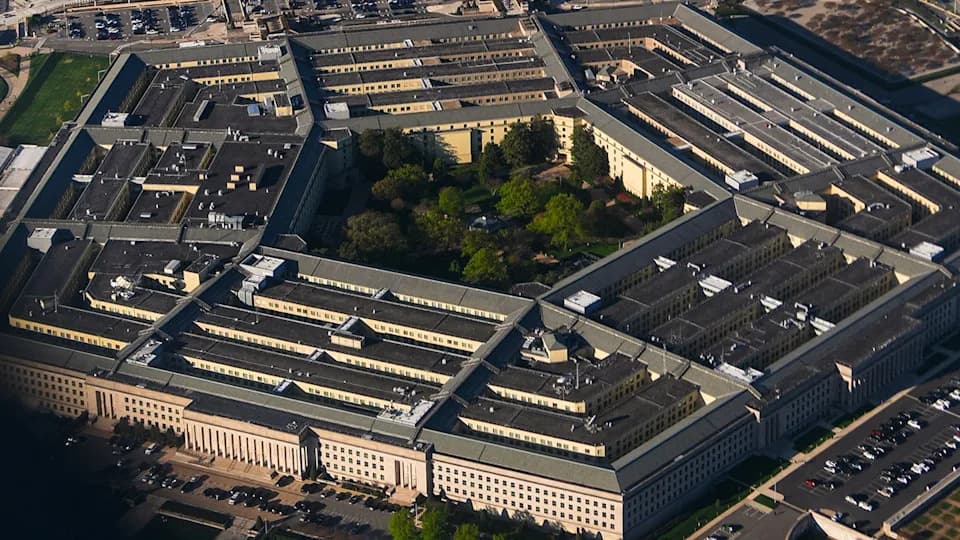
The command will coordinate closely with U.S. military services and the Defense Department’s Defense Autonomous Warfare Group (DAWG) to identify and field the capabilities needed for initial operations. SOUTHCOM has emphasized integration of next-generation tools such as unmanned platforms, artificial intelligence, and commercial technologies to improve situational awareness, data sharing, and human-machine teaming with partners.
Donovan noted that the region’s varied geography and operational environments make it an ideal setting for experimentation and collaboration: many regional partners are receptive to new technologies and eager to work with U.S. forces to enhance regional stability.
SOUTHCOM is responsible for U.S. military operations in Central America, South America and the Caribbean, and has recently conducted dozens of strikes against suspected drug-smuggling vessels as part of broader efforts to disrupt cartel-linked trafficking networks that threaten U.S. interests.
Officials say the new command is intended to accelerate the adoption of autonomous capabilities, expand the U.S. footprint for innovation in the Western Hemisphere, and improve collective ability to deter and respond to transregional threats.
Help us improve.