Justice Ketanji Brown Jackson dissented from the Supreme Court’s summary reversal in District of Columbia v. R.W., calling the action an unwarranted intervention into a fact-bound Fourth Amendment determination. The unsigned per curiam reversed a D.C. appeals court for allegedly failing to consider the “totality of the circumstances,” a move Jackson said should not have warranted summary correction by the high court. The order list also included other summary reversals that drew dissent from the Court’s Democratic appointees, and the Court agreed to hear a Colorado case over public funding for Catholic preschools next term.
Justice Jackson Criticizes Supreme Court’s 'Unnecessary' Summary Reversal in Fourth Amendment Case
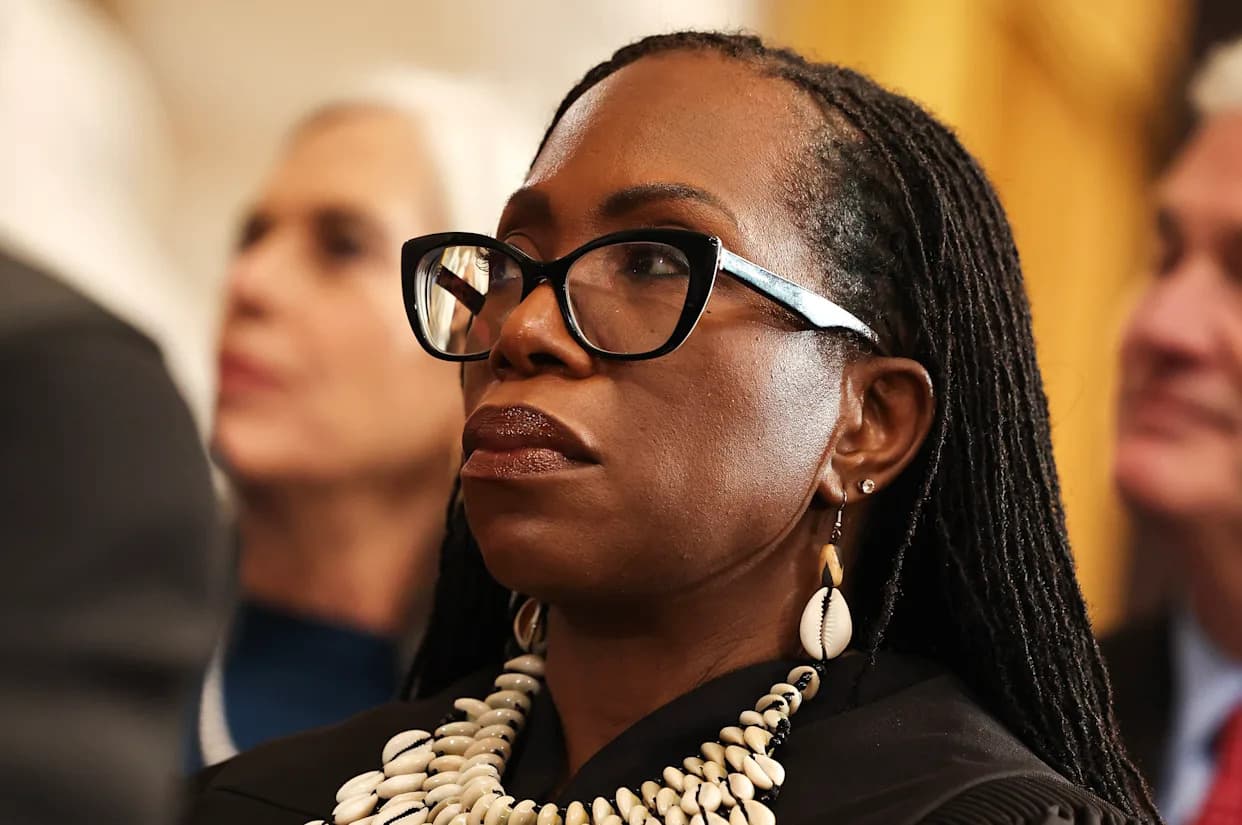
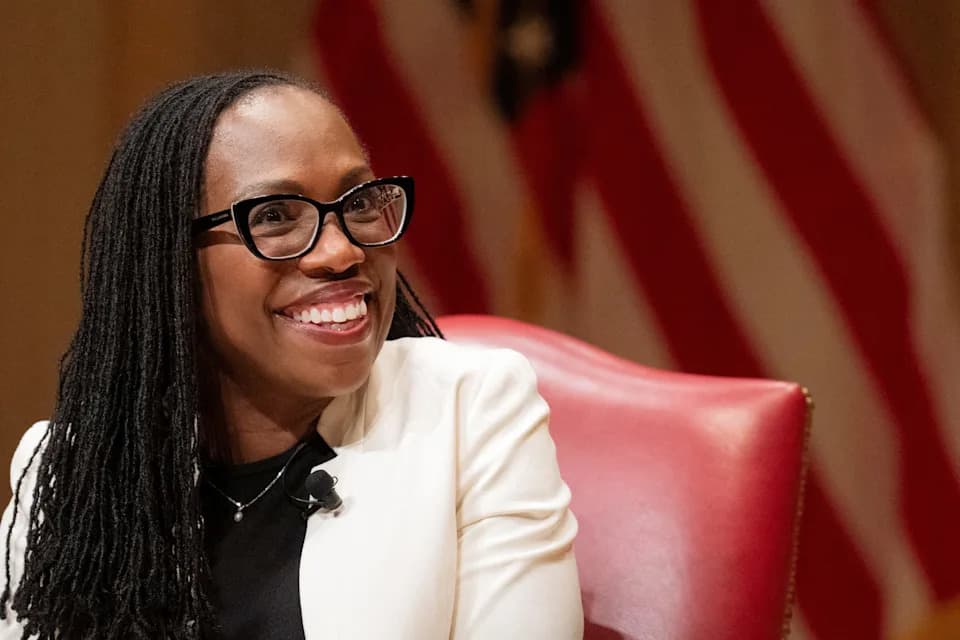
Supreme Court Justice Ketanji Brown Jackson attends President Donald Trump’s inauguration ceremony in the U.S. Capitol on Jan. 20, 2025.(Chip Somodevilla / Getty Images)
Justice Ketanji Brown Jackson sharply criticized what she described as an unnecessary intervention by the Supreme Court after the justices summarily reversed a D.C. appeals court in a Fourth Amendment stop case.
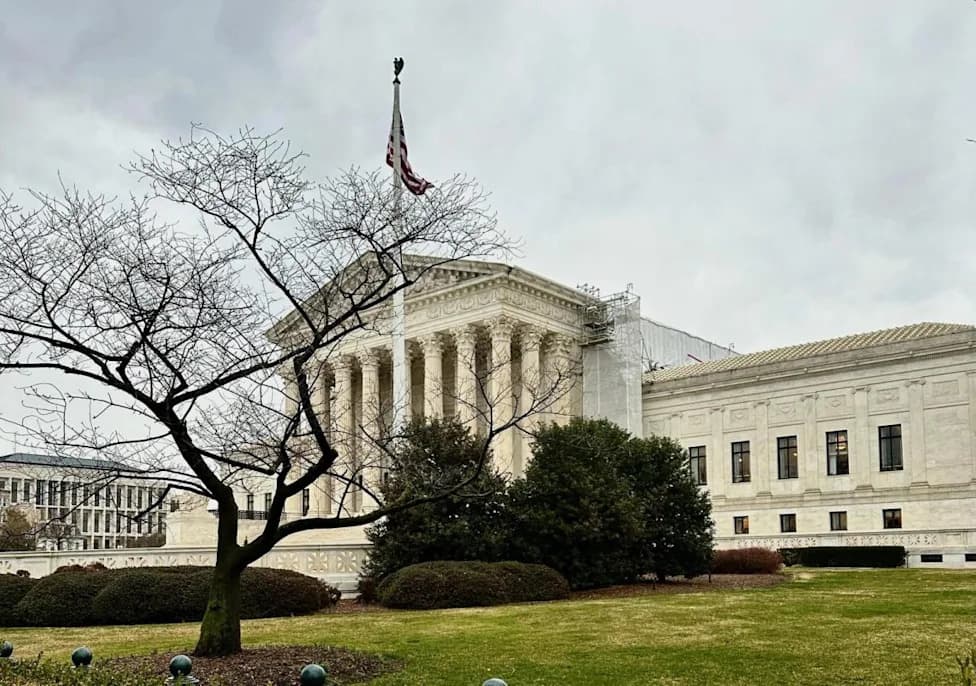
In District of Columbia v. R.W., an unsigned per curiam opinion concluded that the D.C. court failed to assess the “totality of the circumstances” and reversed its decision that a police stop lacked reasonable suspicion. The majority’s summary reversal terminated review without full briefing or oral argument.
“If the Court’s intervention reflects disapproval of a lower court’s assessment of which particular facts to weigh and to what extent, I cannot fathom why that kind of factbound determination warranted correction by this Court,” Jackson wrote in a dissent. She added that the summary reversal was “not a worthy accomplishment for the unusual step of summary reversal.”
The majority’s opinion included a notation that Justice Sonia Sotomayor would have denied the District’s petition for review; Sotomayor did not join Jackson’s dissent nor did she file a separate opinion explaining her view.
Jackson’s rebuke follows a recent lecture she delivered at Yale Law School, where she warned against the Court’s growing tendency to short-circuit and second-guess lower-court factfinding. Her dissent was published on a routine 25-page order list, a document that typically records denials of review but occasionally contains opinions and separate writings by justices.
On the same order list, Justices Jackson, Sotomayor and Elena Kagan registered dissent from another unexplained summary reversal that favored law enforcement in a qualified-immunity case. Those entries underscore the numerical reality on the current Court: four votes are required to grant review, a threshold that limits the influence of the Court’s three Democratic appointees on closely contested matters.
What’s Next
The Court also agreed to hear an appeal from Catholic preschools in Colorado that seek public funding while reserving admission for families who support Catholic teachings on sex and gender. That case is scheduled for argument in the next term, which begins in October.
Why it matters: Jackson’s dissent highlights a broader institutional debate about when the Supreme Court should step in to correct fact-intensive rulings by lower courts, and whether summary reversals risk undermining the work and discretion of those courts.
Help us improve.