Perge’s 2nd-century stadium was remodeled during the Late Roman period (3rd–6th c. CE) to host gladiatorial combat and public executions by animals. Excavations led by Sedef Çokay Kepçe and published in the Oxford Journal of Archaeology found raised platforms, enclosed holding chambers, gate assemblies and animal remains. The most notable feature is a set of five closely spaced entrances — the so-called "Doors to Death" — likely used to release large predators on cue. Further work at Perge will refine these interpretations.
“Doors to Death”: How Roman Engineers Remodeled Perge’s Stadium for Bloodsport
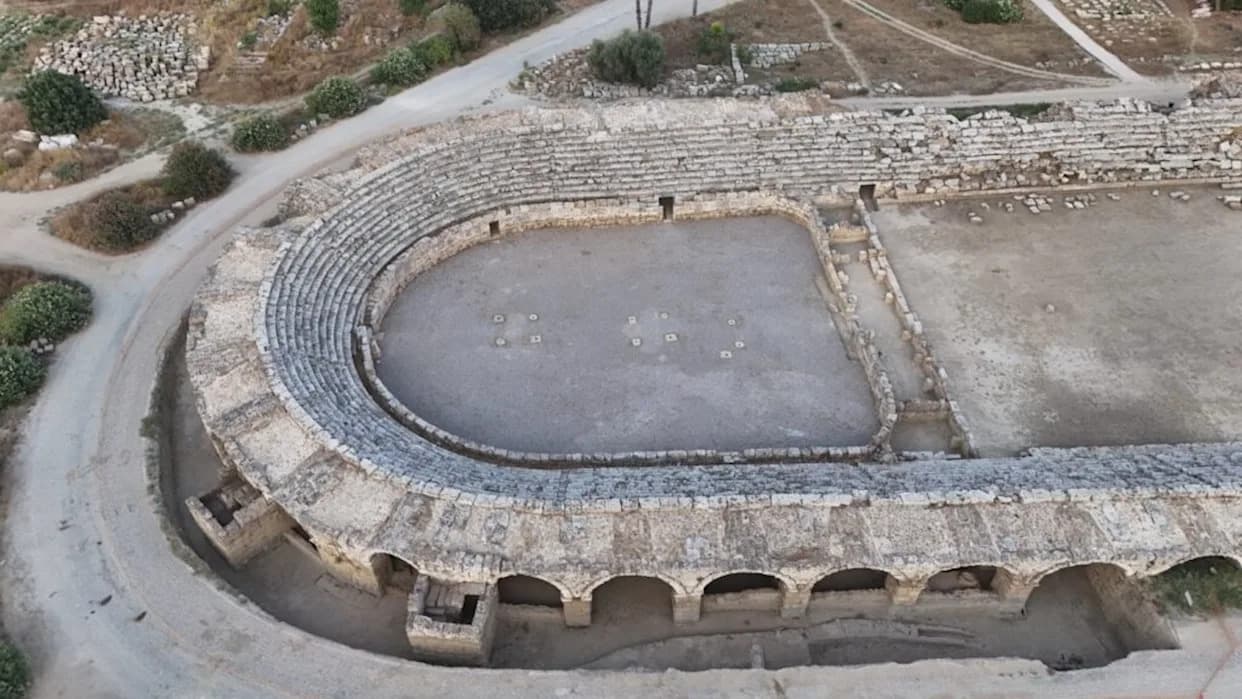
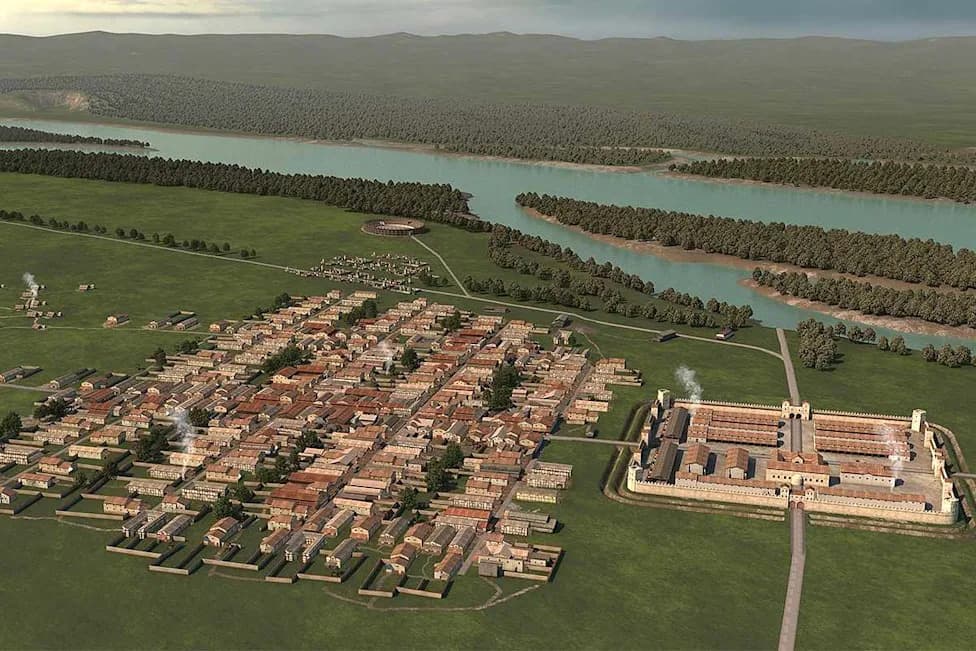
The ancient city of Perge is located in present-day Turkey.
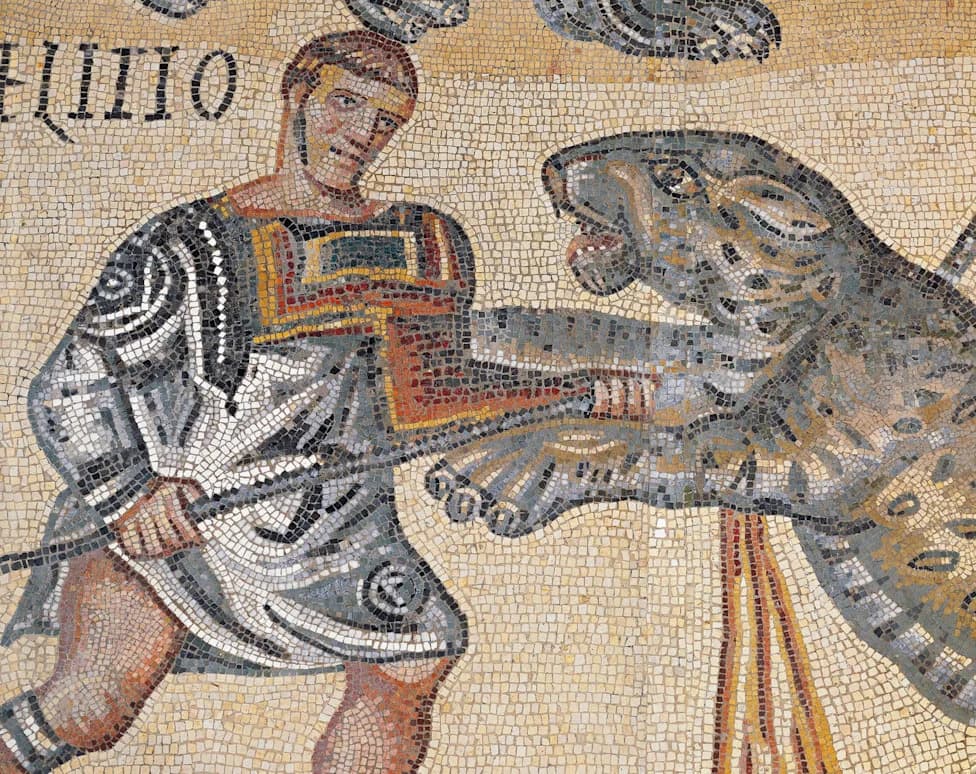
The ancient Roman city of Perge, in present-day southern Turkey, supported a large stadium by the 2nd century CE that hosted communal gatherings and athletic contests. New archaeological work shows that, during the Late Roman period (3rd–6th centuries CE), the arena was deliberately remodeled to stage deadly spectacles — including gladiatorial combat and Damnatio ad Bestias (public executions by wild animals).
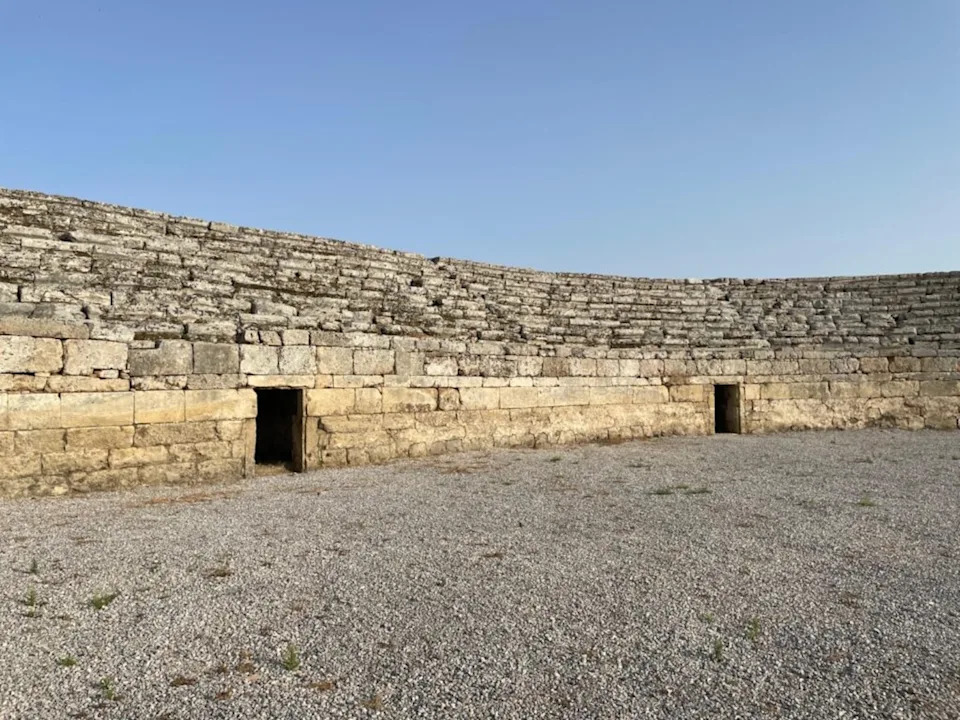
The five doors were likely opened to release wild animals into battles. Credit:Arkeoloji Haber
Major Discoveries
Excavators, led by Istanbul University archaeologist Sedef Çokay Kepçe and publishing in the Oxford Journal of Archaeology, documented a suite of architectural changes that transformed the venue. These adaptations included raised platforms for staged fights, complex gate assemblies for crowd control and timed releases, and enclosed chambers likely used to hold animals before events. The team also recovered animal bones and iconography consistent with animal combats and executions.
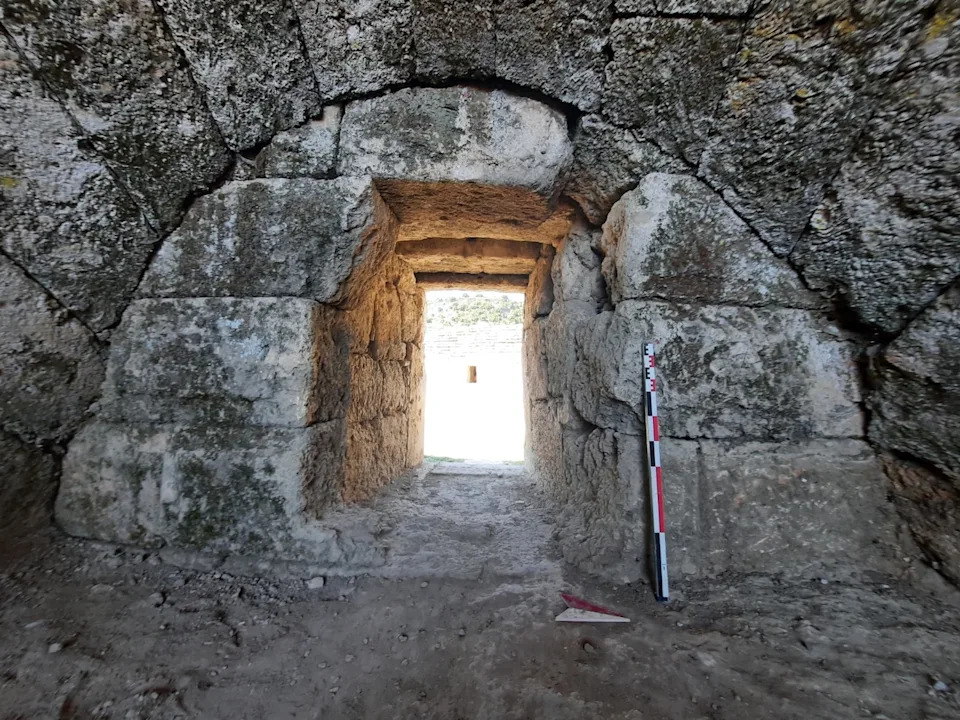
Archaeologists plan to continue excavating at the stadium. Credit:Arkeoloji Haber
The “Doors to Death”
The most striking feature is a cluster of five closely spaced entrances — nicknamed the "Doors to Death" — that appear to have been opened at controlled moments to release large predators such as lions and leopards. That specific configuration is uncommon in the archaeological record for Roman stadia, making Perge's arrangement especially notable and suggesting carefully choreographed spectacles rather than chaotic mêlées.
Historical Context and Significance
Rather than demolishing the existing amphitheater, Perge's planners adapted the standing structure to meet changing public tastes and social practices in the Late Roman era — a period marked by the rise of Christianity and the eventual fall of the Western Roman Empire in 476 CE. The findings illuminate how urban planners repurposed and upgraded public spaces to stage increasingly violent entertainments while conserving resources.
What Comes Next
Archaeologists will continue excavations at Perge to refine chronology and functional interpretations. For historians and archaeologists, the site offers a vivid glimpse into the intersection of engineering, urban planning, popular spectacle, and institutionalized violence in Late Antiquity.
As coverage in Arkeonews observed, Perge’s amphitheater stands as a powerful reminder of ancient Rome’s dual legacy: remarkable technological and urban innovations alongside organized, state-sanctioned brutality.
Help us improve.