New legal research shows the Roman emperor effectively monopolized lions used in venationes. By analyzing constitutions in the Theodosian and Justinian Codes, researchers found that dwindling big-cat populations prompted imperial regulations reserving lions for official spectacles. The army captured and guarded beasts, provinces funded transport, and commanders who delayed deliveries faced fines in gold. Venationes remained widely popular and spread across provinces such as Hispania.
All Lions Belonged to the Emperor: Study Reveals Rome’s Monopoly on Amphitheater Hunts
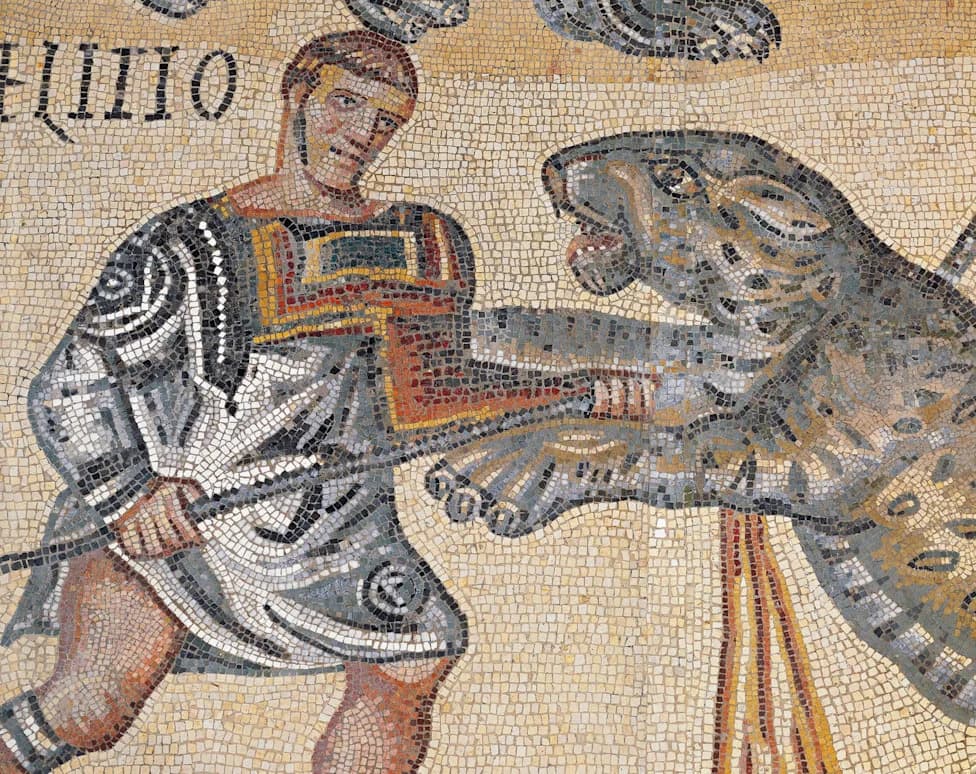
A Bizarre Discovery Revealed Ancient Roman SecretsDEA / G. DAGLI ORTI - Getty Images
Romans across the empire packed amphitheaters to watch venationes — staged hunts that often featured exotic animals and, above all, lions. New research shows these spectacles were not left to chance: late-antique law created a de facto imperial monopoly to regulate the capture, transport and use of big cats for public displays.
What the Study Found
A research team led by Rosa M. Carreño Sánchez of Universidad Carlos III de Madrid examined two imperial constitutions preserved in the Theodosian Code and later incorporated into the Justinian Code. Their analysis, published in the Revista General de Derecho Romano, suggests that as wild big cats grew scarcer the emperor asserted tight control so that lions would be reserved for official spectacles.
"All lions belong to the emperor," the researchers summarize, reflecting how law and administration protected the spectacle calendar and prevented private competition.
Logistics, Law, and Military Involvement
The paper reconstructs the practical machinery behind venationes. The Roman army was often tasked with locating, capturing and guarding wild animals across the provinces. Once captured, animals had to be moved long distances. Provincial authorities were required to provide personnel and funding from local budgets to transport beasts to the venues on schedule.
To prevent local officials or private organizers from diverting animals to unauthorized shows, imperial law imposed severe penalties. The study highlights that commanders who failed to deliver animals on time faced substantial fines specified in gold — a clear deterrent and a sign of how seriously Rome protected its monopoly.
Why It Matters
Venationes rivaled and in many places outlasted gladiatorial combat, which later faced criticism from Christian writers. Animal-focused spectacles spread widely through the provinces — for example, Italica near modern Seville, with a population of only about 8,000 in antiquity, possessed one of the empire’s largest amphitheaters built in part to host venationes.
Carreño Sánchez stresses that legal texts reveal the administrative and territorial tensions behind the scenes: resource management, the use of military units for procurement, and disputes over jurisdiction. These laws give historians a clearer picture of the state apparatus that made Rome’s most sensational animal shows possible — far beyond the theatrical image of beasts and hunters in the arena.
Implication: This study sheds light on how imperial power, logistics and law combined to sustain a centerpiece of Roman public life — the venatio — and why the emperor regulated even the empire’s wildlife.
Help us improve.