Archaeologists combine art, colonial accounts, and chemical analyses to reveal the varied roles of dogs in ancient Maya society. Strontium and isotope studies show dogs were transported and traded across hundreds of miles between Maya cities during the Classic period. Evidence indicates dogs served as companions and status symbols, ritual offerings, and sometimes as a food source; ancient DNA work may soon clarify breed connections to modern Mesoamerican dogs.
Ancient Maya Dogs: Companions, Commodities, Sacrifices — New Scientific Evidence
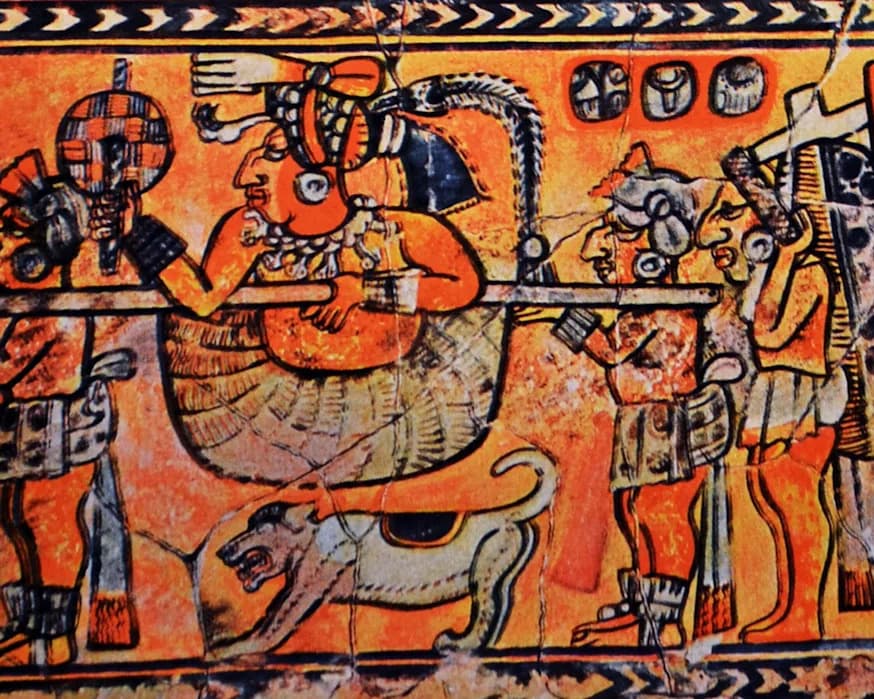
Some Maya vases depict dogs walking below a ruler's hammock, which has been interpreted as the dog escorting the ruler's burial procession into the afterlife. It's just one role that dogs may have played in ancient Maya culture.World History Archive/Alamy Stock Photo
Long before modern breeding programs or animal welfare institutions, the ancient Maya moved dogs across great distances and used them in many roles: as companions and status symbols, as ritual offerings, and in some cases as food. New archaeological and chemical analyses are clarifying how dogs figured into Maya life, commerce, and belief.
Art, Colonial Accounts, and Archaeology
Colonial-era observers such as the Franciscan bishop Diego de Landa recorded Maya practices that included ritual killing of dogs—he specifically described white dogs with dark spots being sacrificed in cacao-related ceremonies. While Spanish accounts reflect one historical moment and must be treated cautiously, artistic evidence supports continuity: white, spotted dogs appear repeatedly on Maya vases and other media. Some images even show dogs walking beneath a ruler’s hammock, suggesting roles as companions or visible markers of status, sometimes depicted with scarves or accessories.
Chemical Clues: Isotopes and Strontium Signatures
Beyond texts and pictures, researchers are using chemistry preserved in bones to trace where animals lived. Animals incorporate elements from local soils and diets; ratios of isotopes (including strontium) in teeth and bones can point to geographic origins. Studies comparing strontium values from dog remains to a global reference database have revealed surprising long-distance movement.
Key Case Studies
In the Preclassic and Classic periods, archaeologists have found evidence that dogs traveled between lowland and highland Maya sites. A 2018 study linked dogs between Kaminaljuyu and Ceibal (occupied from roughly 700–350 B.C. and later), suggesting exchange up and down mountain corridors. More recent work by Elizabeth Paris and colleagues analyzed dogs from two Chiapas Highland sites—Tenam Puente and Moxviquil—dating to the Classic period.
All four dogs from Tenam Puente (circa A.D. 500–800) carried strontium signatures indicating they originated hundreds of miles away—one likely from southern Campeche near Calakmul and three from the Becan region to the north. The three Moxviquil dogs (A.D. 422–691) showed diverse origins as well: one local (possibly from nearby Tenam Puente), one matching the Mayapan area, and one consistent with the Palenque region. These patterns support the idea of dogs as traded items across Maya polities.
What Were Dogs Used For?
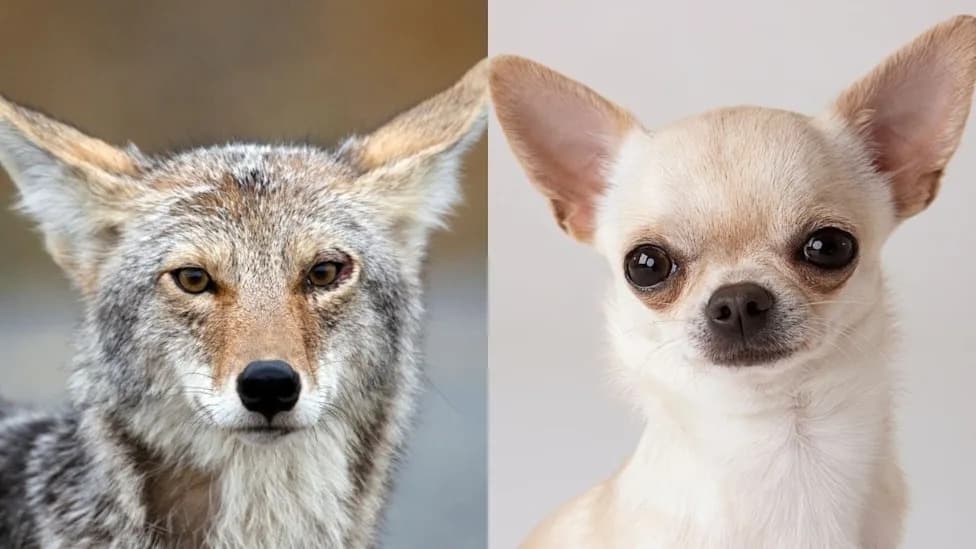
Interpretations vary by region and context. Ashley Sharpe and others note that most archaeological dog remains are small (roughly slightly larger than a chihuahua) and commonly date to one to two years of age. Many skeletons bear cut marks consistent with butchery and systematic skinning, which suggests that some dogs were raised and slaughtered for food—treated in a manner similar to small livestock.
Other deposits point clearly to ritual use. At Kaminaljuyu, multiple dog skeletons found in a boulder-lined pit, dated to a period when a nearby lake was drying, show cut marks on necks and were buried with pottery fragments—evidence consistent with sacrificial offerings seeking divine intervention. Meanwhile, artistic depictions and ornate accessories indicate that dogs could also serve as companions, hunting aids, or visible markers of elite status.
Looking Ahead: DNA and Broader Questions
Improved ancient DNA techniques may soon reveal more about the breeds the Maya kept and whether they relate to modern Mexican breeds such as the Xoloitzcuintli. Combined genetic, isotopic, and contextual archaeological data will help clarify how widespread specialized breeding was, whether particular regions specialized in certain dog types, and how dogs circulated in markets or as diplomatic gifts.
Conclusion: The Maya relationship with dogs was complex and regionally variable. Scientific advances are transforming vague impressions into a detailed picture of trade, ritual, and everyday life—showing dogs could be beloved companions, economic commodities, sacrificial victims, or a source of meat, often within the same cultural world.
Help us improve.