New analysis using Gnomix and Gnofix shows Chihuahuas carry multiple DNA segments that trace to wild coyotes (Canis latrans), revealing a North American component to their ancestry. The study also finds Xoloitzcuintli dogs have over 4% Arctic dog ancestry. While the coyote introgression likely predates European contact, the exact timing, mechanism, and influence on Chihuahua traits remain uncertain.
Chihuahuas Carry Coyote DNA: New Study Reveals Hidden North American Ancestry
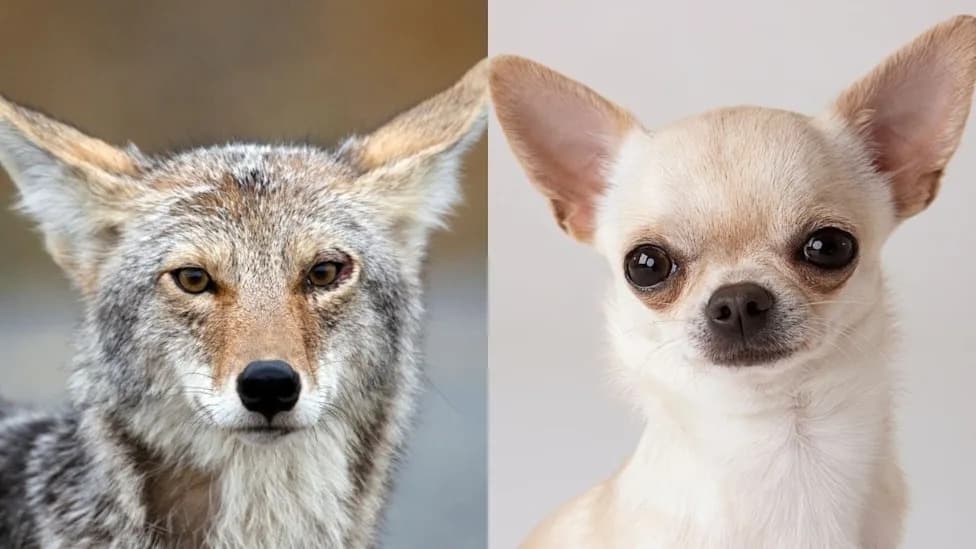
A family resemblance? (Mark Newman/The Image Bank/Getty Images & David Leahy/Compassionate Eye Foundation/Getty Images)
Chihuahuas often seem unusually bold for their size, and a new genetic study offers an explanation: parts of their genome trace back to wild coyotes (Canis latrans).
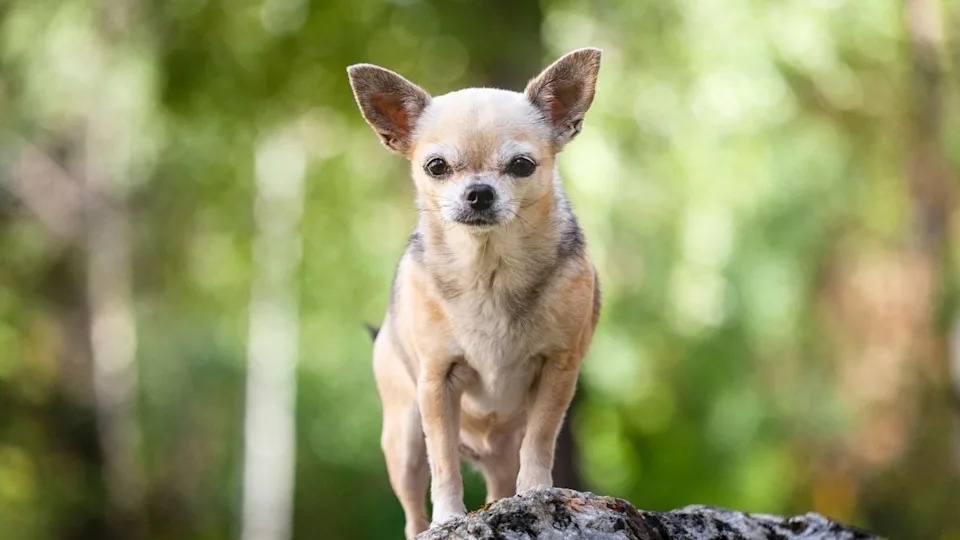
Embracing the coyote within… (P_PHOTO/iStock/Getty Images)
What the Study Found
Researchers at Stanford tested two new software tools, Gnomix and Gnofix, to perform local ancestry inference (LAI) across many dog genomes. In validating these tools, they discovered that Chihuahuas carry multiple genomic segments that derive from coyotes. The analysis also confirmed that the Mexican hairless breed, the Xoloitzcuintli (Xolo), contains more than 4% ancestry related to Arctic dogs.

Subscribe to ScienceAlert's free fact-checked newsletter
Why This Matters
DNA preserves evolutionary history, and modern computational methods can tease apart the ancestry of specific DNA segments. Finding coyote-derived fragments in Chihuahuas adds detail to the story of dog domestication in the Americas and shows how local ancestry tools can reveal previously hidden genetic contributions.
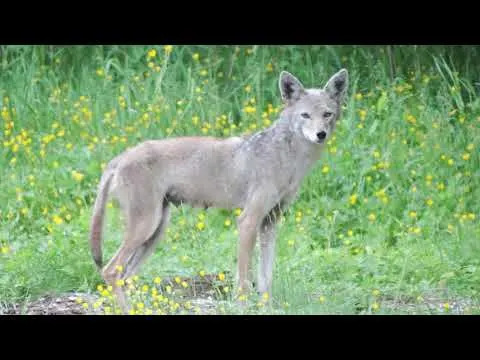
YouTube Thumbnail
Timing and Uncertainties
The study did not provide an exact date for when coyote genes entered the Chihuahua lineage, but other research suggests the introgression likely occurred before European contact. It remains unclear whether hybridization was deliberate or accidental and which physical or behavioral traits—if any—came from coyote ancestors.
YouTube Thumbnail
“Wild coyotes and wolves have been found to hybridize naturally, especially in geographical areas where 'wolf‑like' behavioral traits are beneficial,” explained zoologist Jacqueline Boyd in an article for The Conversation.
On Chihuahua Size and Temperament
Although coyotes are much larger than Chihuahuas, the dogs' tiny stature was almost certainly produced by human-directed selective breeding over generations. Traits such as large, upright ears or a bold temperament may evoke coyote comparisons, but the evidence does not yet link specific behavioral traits to coyote ancestry.
Broader Implications
These findings underscore the complexity of dog domestication in the Americas: many modern breeds are mixtures of European and pre‑Columbian lineages, and hybridization with wild canids played a role in shaping that diversity. The paper, published in Nature Communications, highlights how improved LAI tools like Gnomix and Gnofix can refine our understanding of domestic animals' evolutionary histories.
Image credits and related links were part of the original report.
Help us improve.