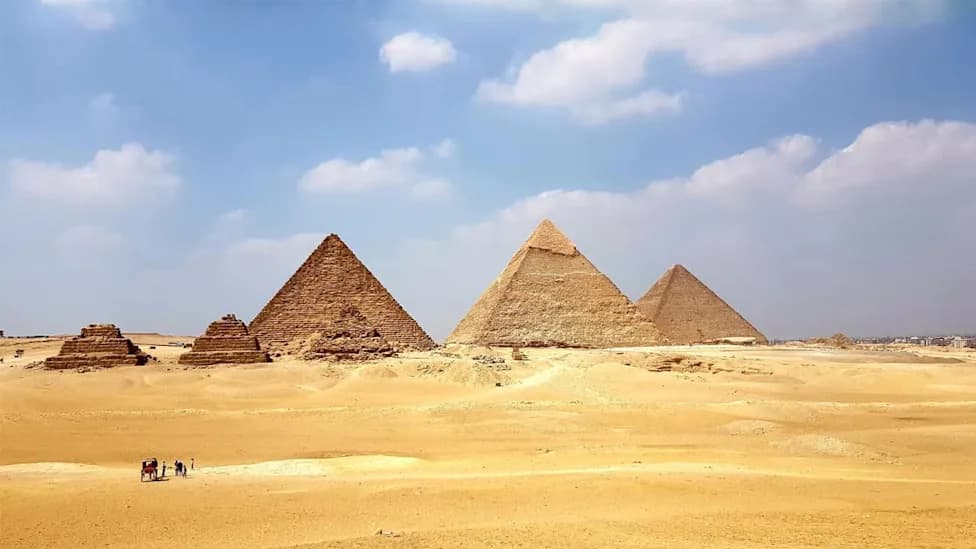
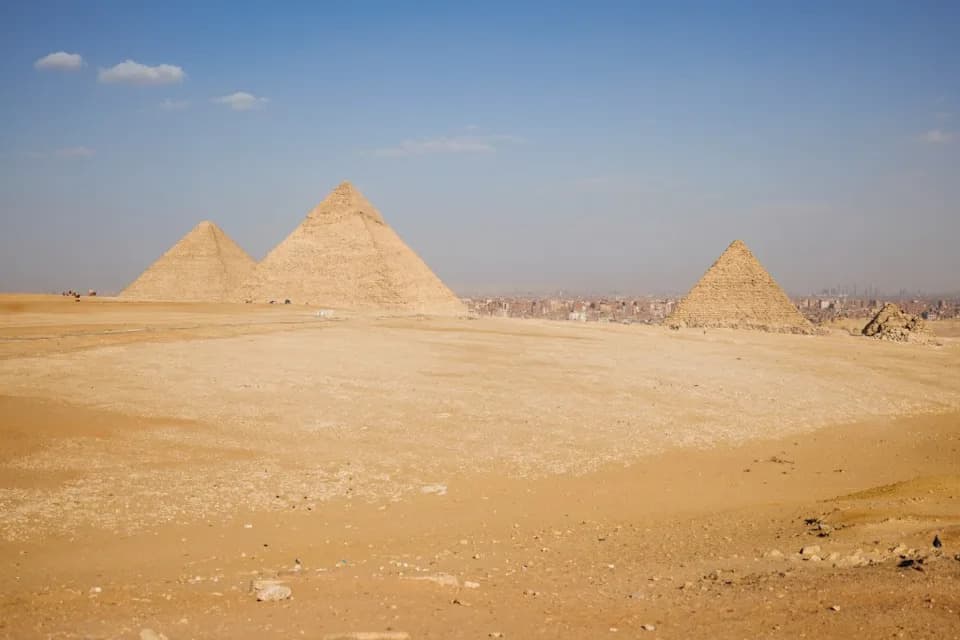
A new 3D-modeling study argues the Great Pyramid of Giza was likely built using a concealed internal spiral "integrated edge ramp" rather than a single massive exterior ramp. The model — which involves work by computer scientist Vicente Luis Rosell Roig — explains how more than 2.3 million blocks could be moved and placed with exceptional precision and how construction could finish in roughly 20–30 years. Simulations even suggest crews could set a block every few minutes, highlighting ancient Egyptians' advanced engineering and organization.
New 3D Study Suggests Great Pyramid Was Built With a Hidden Internal Spiral Ramp — Not Aliens
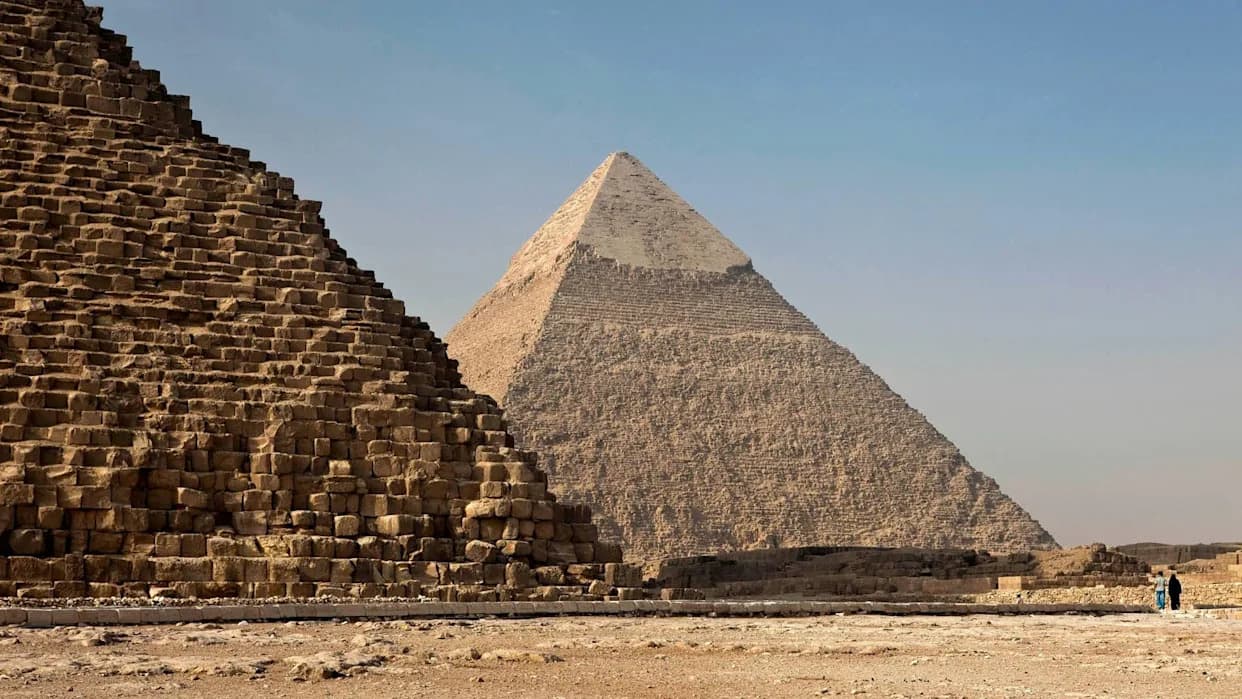
For generations the construction of the Great Pyramid of Giza has inspired wonder, speculation, and even fringe theories invoking lost civilizations or extraterrestrial help. A recent study that used advanced 3D modeling offers a technically plausible, human-centered explanation: a concealed internal spiral "integrated edge ramp" built into the monument as it rose.
What the Study Proposes
Researchers, including computer scientist Vicente Luis Rosell Roig, used detailed 3D simulations to evaluate how the pyramid could have been assembled. Rather than a single enormous external ramp stretching up the face of the structure, the team proposes a hidden, spiraling ramp integrated into the pyramid’s fabric. Workers would have hauled large limestone blocks along this internal path and left temporary gaps in the outer casing that were filled once each section was completed — effectively erasing physical traces of the ramp.
How This Explains Long-Standing Questions
The internal-spiral ramp hypothesis helps resolve several enduring puzzles:
- How more than 2.3 million blocks were moved and set with high precision.
- How builders achieved near-perfect alignment to the cardinal directions and extraordinary dimensional accuracy without modern machinery.
- How the entire complex could plausibly have been completed within an estimated 20–30 years.
Simulations in the study even suggest that, under an efficient workflow, crews could position a new block every few minutes — a rate that makes the proposed construction timeline far more realistic than many earlier estimates.
Why This Is Important
The findings do more than challenge sensationalist explanations: they highlight the ingenuity of ancient Egyptian engineers. The evidence reinforces that the builders combined sophisticated planning, practical mathematics, and large-scale labor organization to achieve one of humanity’s most remarkable monuments.
Practical Notes for Travelers
Beyond academia, the study may spark renewed public interest in visiting Giza. As of 2026, the U.S. State Department classifies Egypt as a Level 2 destination — "Exercise Increased Caution." Certain areas, notably the Northern Sinai Peninsula, remain labeled "Do Not Travel" for security reasons, while major tourist centers like Cairo, Luxor, and Red Sea resorts are widely visited and generally secure.
Visitor tips:
- Arrive early to avoid heat and crowds.
- Hire a licensed guide to gain deeper context and appreciate recent research.
- Stay hydrated and prepare for desert conditions.
- Respect local customs and follow site regulations; major attractions typically have strong security and tourism infrastructure.
Conclusion
After more than 4,500 years the Great Pyramid continues to teach us about ancient skill and innovation. The hidden internal ramp model — supported by 3D modeling and simulation — does not merely dismiss alien theories; it celebrates the creativity, organization, and engineering prowess of the people who built this enduring wonder.
Originally reported by Parade (Apr 15, 2026). Summary based on the published 3D-modeling study and public statements by the research team.
Help us improve.