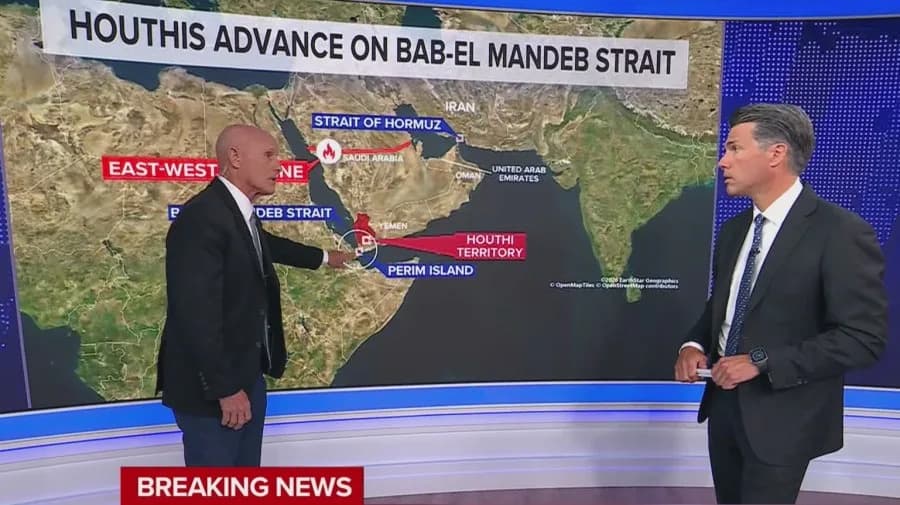
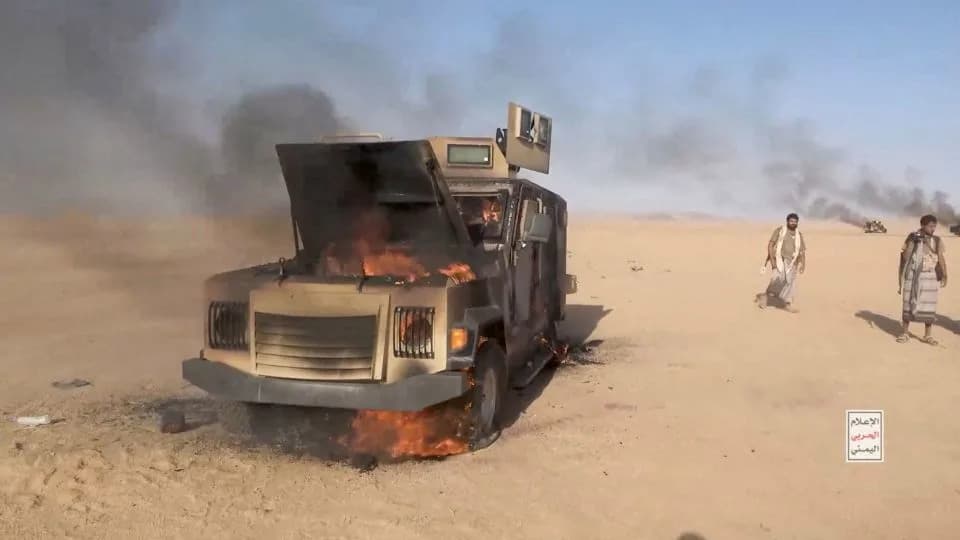
U.S. military officials have inspected Somaliland’s Berbera port and airfield, which the self-declared republic is offering as a strategic base to counter Iran-backed Houthi threats in the Red Sea. The Bab el-Mandeb Strait has grown in strategic importance after disruptions around the Strait of Hormuz, and up to 14% of global shipping transits the chokepoint. Formal U.S. recognition of Somaliland remains politically sensitive, so analysts say cooperation without immediate recognition is the most likely near-term option.
Somaliland Offers Berbera As Strategic Foothold For U.S. Amid Red Sea Tensions
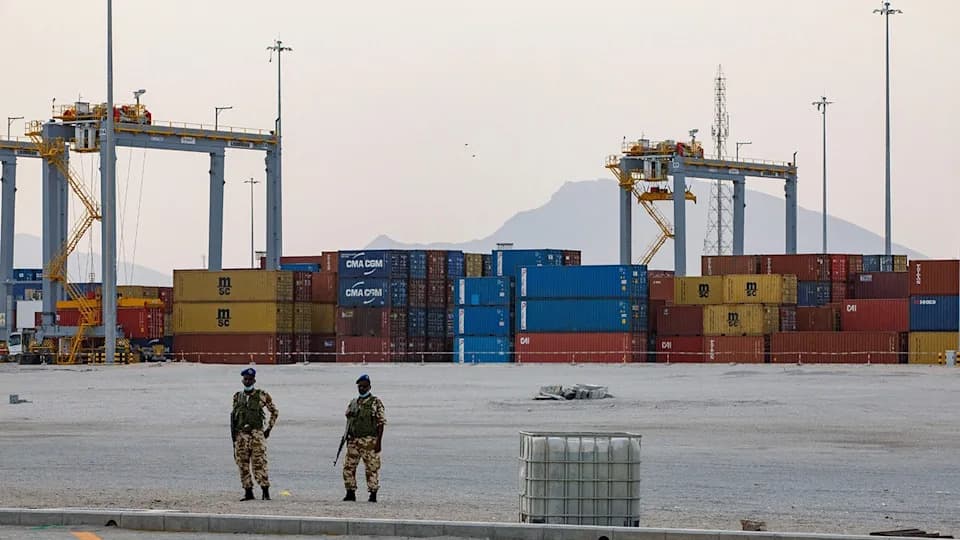
Somaliland security personnel stand watch in front of shipping containers being stored at Berbera Port.(Getty Images)
U.S. military leaders have recently examined facilities in Somaliland that the self-declared republic is offering as a strategic air and naval foothold amid rising threats to key maritime routes from Iran and Houthi-aligned forces.
Senior U.S. officials, including Gen. Dagvin Anderson, commander of U.S. Africa Command (AFRICOM), visited Somaliland to review an offer centered on the port and airfield at Berbera. Somaliland — which declared independence from Somalia in 1991 but is not widely recognized internationally — presents itself as a pro-Western partner in a region where reliable basing options are increasingly important.
Why Berbera Matters
The shift in strategic emphasis follows disruptions around the Strait of Hormuz and a rising focus on the Bab el-Mandeb Strait, the narrow gateway linking the Red Sea and the Gulf of Aden. With some routes through Hormuz constrained, countries including Saudi Arabia have rerouted exports through the Red Sea; Bloomberg reported that shipments from Yanbu could amount to as much as 7 million barrels per day. Analysts note that roughly 14% of global shipping transits the 16-mile-wide Bab el-Mandeb.
Somaliland’s official channels promote Berbera as a deep-water port on the corridor from the Red Sea to the Indian Ocean and as the site of one of Africa’s longest runways, originally developed as an emergency landing strip for NASA. Those characteristics give the port and airfield operational value for both maritime and air missions.
“Berbera obviously has huge strategic potential,” said Edmund Fitton-Brown, a former U.K. ambassador to Yemen and a senior fellow at the Foundation for Defense of Democracies (FDD).
Regional and Diplomatic Constraints
The United States already operates a major base in Djibouti on the Red Sea, but some analysts say Djibouti’s government has grown reluctant to undertake certain actions—particularly those directly confronting Houthi forces. Observers suggest Somaliland could provide an alternate hub to support operations by the United States, Israel and the United Arab Emirates along Yemen’s western coast.
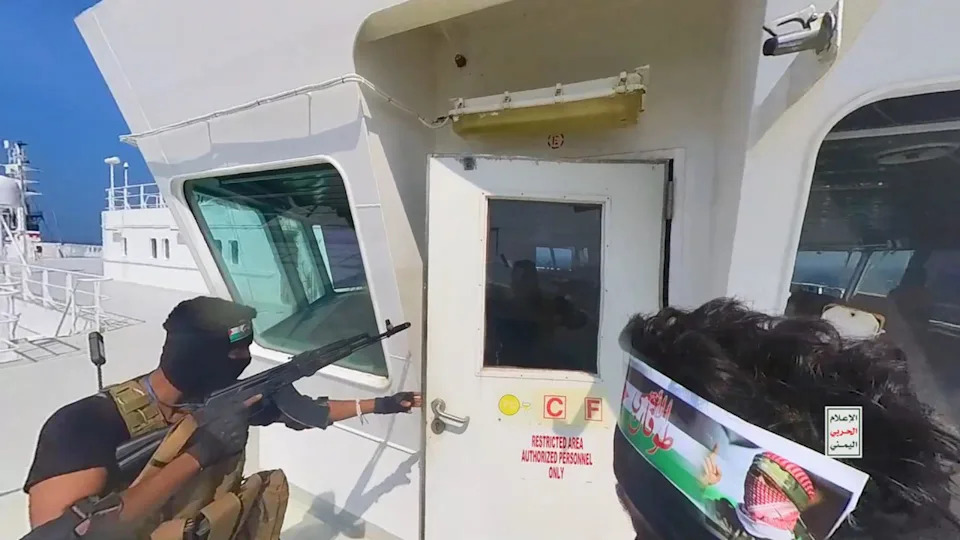
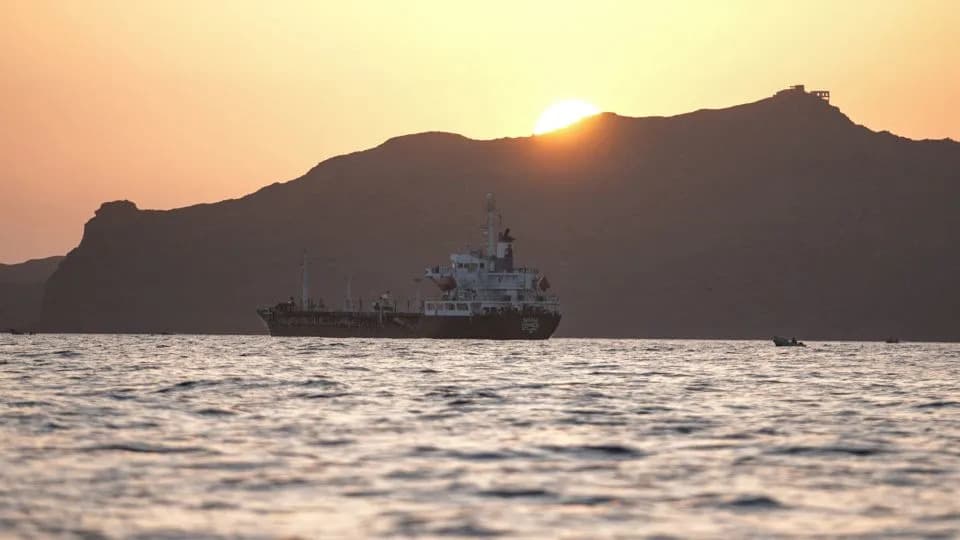
This handout screen grab captured from a video shows Yemen's Houthi fighters' takeover of the Galaxy Leader Cargo on the Red Sea coast off Hudaydah, on Nov. 20, 2023, in the Red Sea, Yemen.
Recognition of Somaliland remains politically sensitive. In August, former President Donald Trump said his administration was "looking into" recognition and even mentioned the idea of relocating displaced Gazans there. The State Department subsequently reaffirmed that the United States continues to recognize the sovereignty and territorial integrity of the Federal Republic of Somalia, which includes Somaliland. In contrast, Israel formally recognized Somaliland last year.
Tehran and allied groups have signaled intentions to escalate pressure in the Red Sea. An IRGC-linked news outlet warned on March 21 that insecurity in choke points such as Bab el-Mandeb is an option for the so-called Resistance Front and could complicate U.S. operations.
Not all experts favor formal recognition of Somaliland as a way to secure basing rights. Baraa Shaiban of the Royal United Services Institute (RUSI) warned that recognizing Somaliland could damage U.S. ties with regional partners such as Saudi Arabia and Egypt and might prove counterproductive.
An AFRICOM spokesperson told reporters that the United States is "not seeking to establish new basing," noting such actions would not align with the administration’s stated security framework. Still, analysts emphasize that offers from Somaliland to permit use of Berbera without immediate formal recognition leave room for pragmatic, lower-profile cooperation.
Video circulated with U.S. media showed Gen. Anderson and senior officers in Somaliland last November, when Anderson met Somaliland’s president and inspected the port at Berbera. Somaliland’s top Washington representative, Bashir Goth, has said AFRICOM delegations have visited Hargeisa regularly as U.S. military interest grows amid tensions in the Middle East. Somaliland officials did not comment for this report.
What Comes Next?
Any U.S. decision will need to balance operational benefits against diplomatic costs. Access to Berbera could bolster maritime security in the southern Red Sea and provide flexibility should other partners become unwilling or unable to host certain operations. At the same time, formal recognition of Somaliland would carry significant regional and international consequences, making quiet, temporary arrangements more likely in the near term.
Help us improve.