White House aides and allied conservatives contacted Alexandra Wilson in the days before the Indiana Republican primary withdrawal deadline, offering potential appointments and warning of brutal attacks if she stayed in the race. The outreach aimed to prevent vote-splitting that could harm the Trump-backed candidate, Brenda Wilson, in a contest connected to a redistricting dispute. Legal challenges by a Braun ally, Jim Bopp, have twice left the Election Commission deadlocked and kept Alexandra Wilson on the May 5 ballot. Wilson had her record expunged on March 23 and says she will continue to run.
White House Aides Pressed Indiana Candidate to Quit GOP Primary, Offering Jobs and Warnings
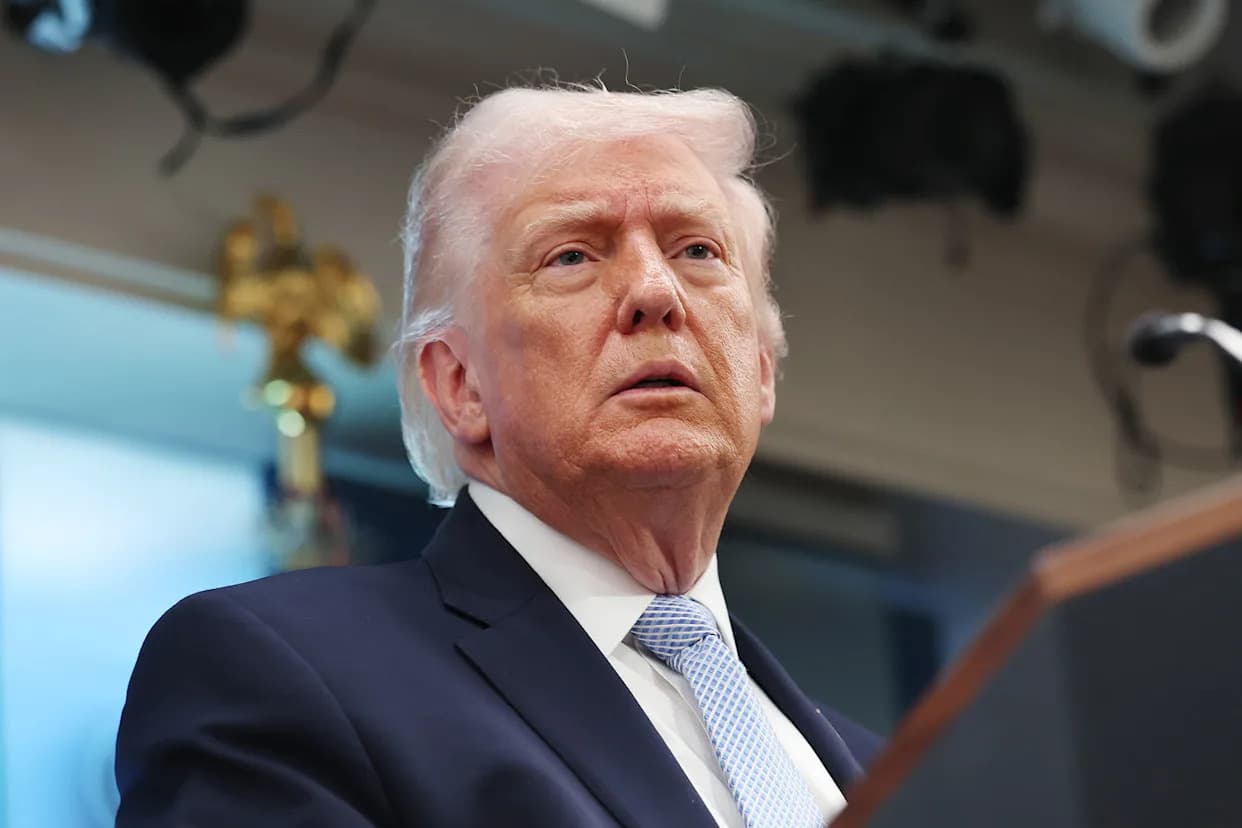
President Donald Trump has waded into several Indiana state Senate Republican primaries next month, seeking to defeat incumbents who voted against a redistricting plan he backed. (Anna Moneymaker / Getty Images)(Anna Moneymaker)
Senior White House political operatives and allied conservative figures repeatedly contacted Alexandra Wilson, a 34-year-old network engineer, this February to urge her to withdraw from the Republican state Senate primary in Indiana. They reportedly suggested possible administration jobs or appointments and warned that her past arrest and other issues could be exploited in brutal negative advertising — a push intended to prevent vote-splitting that might benefit the candidate backed by Donald Trump.
What Happened
According to recordings and interviews provided to reporters, White House political director Matt Brasseaux, deputy chief of staff James Blair, Midwest regional political director Marshall Moreau, Indiana Lt. Gov. Micah Beckwith, Gov. Mike Braun’s chief of staff Joshua Kelley, and a Club for Growth staffer called or texted Wilson in the days before the primary withdrawal deadline. Early outreach emphasized potential public-service roles or appointments; later messages stressed the risk of negative advertising and heavy spending by opponents if she stayed in the race.
Key Calls And Warnings
In a Feb. 11 call Wilson answered, Brasseaux raised the possibility of connecting her with the White House Presidential Personnel Office or state boards and commissions as an alternative to continuing the campaign. Wilson said she found the suggestion insulting because she already has an established career and had run to address local issues like a proposed school renovation plan in Terre Haute.
On Feb. 12, Wilson spoke with James Blair, who warned that research had uncovered a past charge of resisting arrest (later resolved as a misdemeanor) and that Goode’s allies could use that and other incidents in television and mail campaigns without presenting Wilson’s side. Wilson described that conversation as "a little threatening" but stood firm that she would remain a candidate.
Legal Challenge And Ballot Fight
On the final withdrawal day, conservative attorney Jim Bopp — a Braun ally supporting Brenda Wilson — filed a petition with the Indiana Election Commission to disqualify Alexandra Wilson, arguing at first that a past felony charge made her ineligible even though it had been reduced to a misdemeanor. The commission deadlocked on the challenge, leaving her on the ballot. After Wilson’s criminal record was expunged on March 23, the commission again deadlocked 2-2 and kept her eligible; Bopp has signaled he will continue the legal fight.
Wilson’s Response And Broader Implications
Wilson, a long-time Trump supporter, framed her campaign as a response to local financial pressures and decisions she felt did not reflect everyday realities for families. She called the outreach and the subsequent legal effort "political dirty tricks" and emphasized her right to stand as a candidate. White House press secretary Karoline Leavitt defended the outreach as routine political work to assess races and report to party leadership.
Why It Matters: The episode offers a clear example of how national political operations and allied interest groups can try to influence intra-party primaries — using persuasion, administrative opportunities and legal challenges to shape who appears on the ballot.
Help us improve.