The Eswatini Supreme Court has ordered that four men deported from the U.S. under a third‑country program be allowed in‑person access to a local lawyer after being denied visits for nine months. The detainees—citizens of Cuba, Yemen, Laos and Vietnam—have been held at the Matsapha maximum‑security prison despite their lawyers’ claims that they completed U.S. sentences and face no charges in Eswatini. The ruling highlights concerns about U.S. third‑country deportation deals, including payments to recipient governments and limited transparency about detainee treatment.
Eswatini Supreme Court Orders Lawyer Access For Four Men Deported By U.S., Spotlighting Controversial Third‑Country Deals
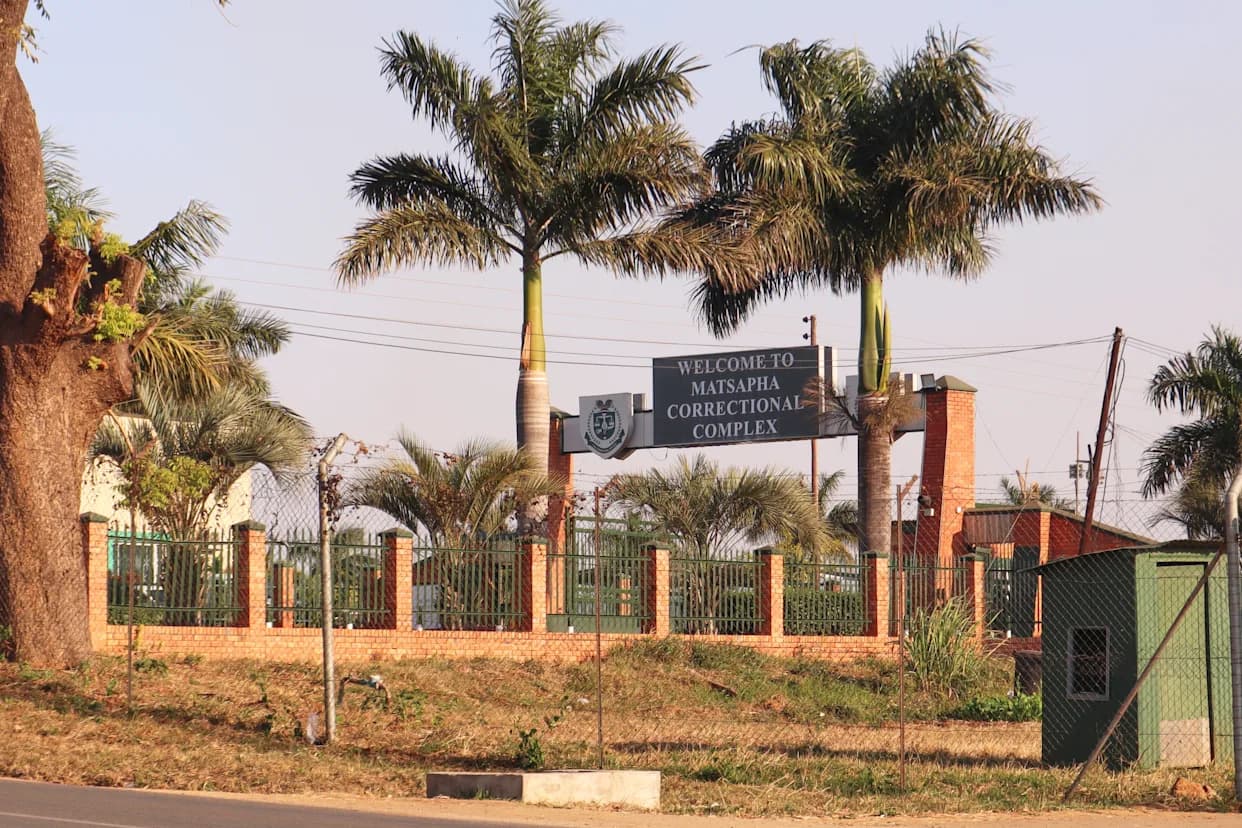
FILE -Matsapha Correctional Complex is seen in Matsapha, near Mbabane, Eswatini, July 17, 2025. (AP Photo, File)(ASSOCIATED PRESS)
The Supreme Court of Eswatini has ruled that four men deported from the United States under a third‑country deportation program may meet in person with a local lawyer after being denied face‑to‑face legal counsel for nine months while held at the Matsapha maximum‑security correctional complex.
A lower court had already ordered that local attorney Sibusiso Nhlabatsi, acting on behalf of the men's U.S. lawyers, be allowed to visit. The Eswatini government immediately appealed, arguing the detainees did not wish to meet Nhlabatsi and that they were not entitled to counsel because they had not been charged with crimes in Eswatini. The Supreme Court rejected those arguments in its Thursday ruling.
Who Are The Detainees And What Do Their Lawyers Say?
The four men are nationals of Cuba, Yemen, Laos and Vietnam. U.S.‑based attorneys say the men completed their U.S. prison sentences and thus have no pending criminal charges in Eswatini, making continued detention at Matsapha unlawful. Until the court's decision, the men were permitted only telephone calls with U.S. counsel.
"Nine months of litigation to secure in‑person access speaks volumes about how hard the government of Eswatini is fighting to deny these men the most basic of rights," said Alma David of Novo Legal Group, who represents two of the men.
Wider Context: Third‑Country Deportation Deals
The U.S. government paid Eswatini $5.1 million to accept deportees, according to U.S. State Department documents. Eswatini has taken at least 19 deportees from the U.S. in separate batches since July and has said it may hold them in prison for up to a year; two have already been repatriated to their countries of origin.
Eswatini is one of at least eight African nations known to have agreements with the U.S. to receive deported migrants. Other countries named in public reports include South Sudan, Rwanda, Uganda, Ghana, Cameroon, Equatorial Guinea and Congo. Some terms of these deals have been disclosed (for example, a reported $7.5 million payment to Rwanda), but many elements remain opaque.
Documents tied to a South Sudan agreement indicated Juba sought concessions from Washington — including sanction relief for a senior official and assistance in prosecuting an opposition leader — though there is no indication the U.S. acceded to those requests. Senate Democrats have also questioned payments to countries with poor human‑rights records, such as Equatorial Guinea.
A February report by Democratic staff of the Senate Foreign Relations Committee found the Trump administration spent at least $40 million to deport roughly 300 migrants to third countries beyond their homelands. Internal documents previously reviewed by The Associated Press suggested about 47 deportation agreements had been concluded or were under negotiation.
Government Response
Eswatini government spokesperson Thabile Mdluli told reporters via text message that the judgment is new and that the government had not yet convened to consider any potential next steps.
The U.S. government has maintained it followed due process in carrying out the deportations but has largely delegated responsibility for detainee treatment to the countries receiving them.
AP writer Nokukhanya Musi in Manzini, Eswatini, contributed to this report.
Help us improve.