The Supreme Court allowed the Trump administration to keep enforcing a third-country deportation policy while legal challenges proceed, a move advocates called "devastating." Plaintiffs warn migrants could be sent to countries where they face persecution or worse; the unsigned order lifts a lower-court requirement that migrants receive notice and a chance to challenge such removals. Oral arguments are scheduled for December, with a final decision expected next year. Democrats say they will investigate the deportations if they regain control of Congress.
Supreme Court Lets Third-Country Deportations Stand — Advocates Call Ruling "Devastating"
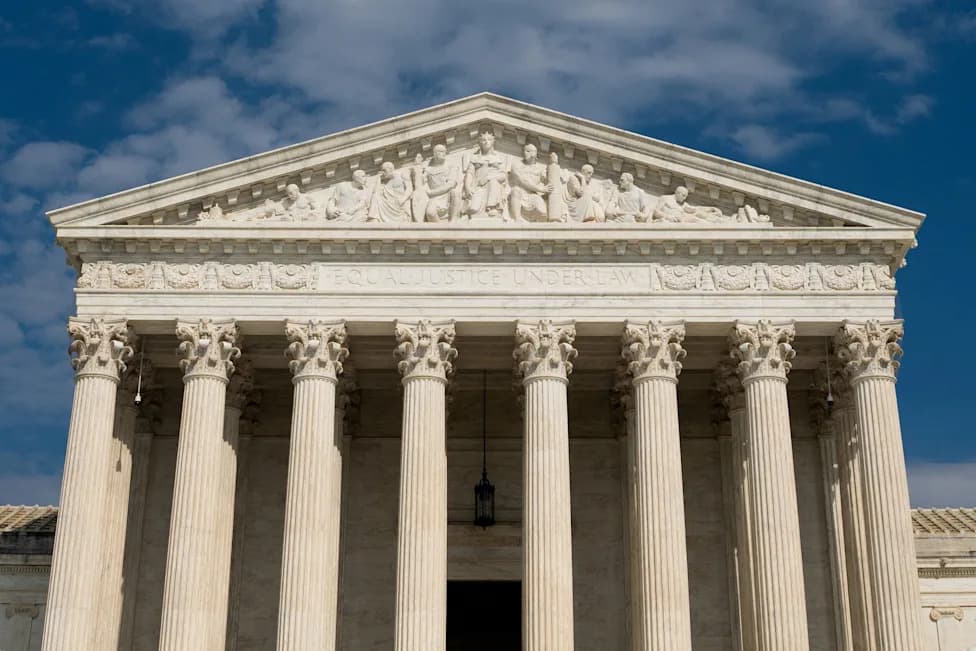
Third-country decision a ‘devastating result,’ lawyer says
Immigrant advocates and legal challengers are sounding the alarm after the Supreme Court allowed the Trump administration to continue enforcing a policy that permits deportations to third countries. The unsigned order leaves the policy in place for months while litigation proceeds, and the court will not hear oral arguments until December.
What the Court Did
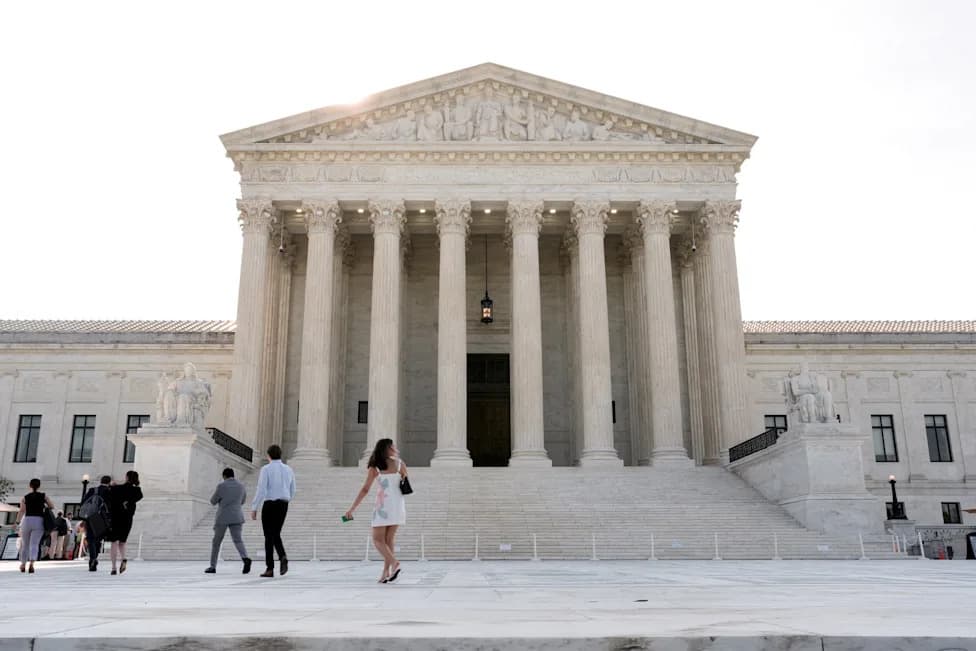
An unsigned Supreme Court order this week removed a lower-court requirement that migrants receive advance notice and an opportunity to contest deportation to countries where they have no personal ties. With the order in effect, the policy will remain operational while the justices consider the case on its merits.
Concerns From Advocates
"A devastating result," said Trina Realmuto, lead counsel for the plaintiffs at the National Immigration Litigation Alliance, warning that migrants could be sent to countries "where they may face persecution, torture, imprisonment, or other grave danger."
Advocates say the arrangements — which the administration has negotiated with several countries, many in Africa — put vulnerable people at risk. Burundi most recently announced it would accept migrants under these agreements.
Reports of Abuse and Government Response
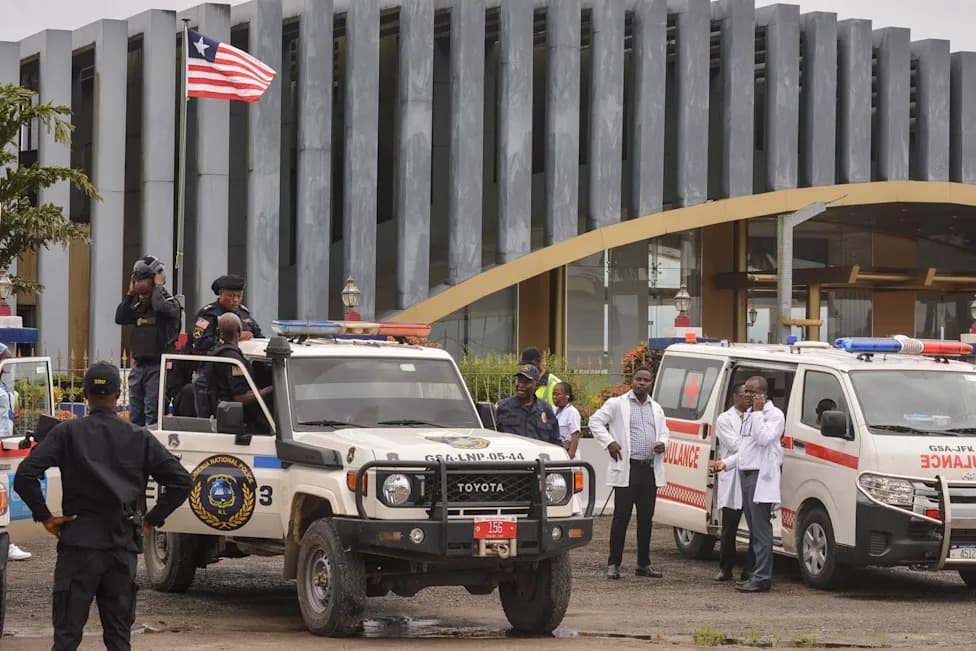
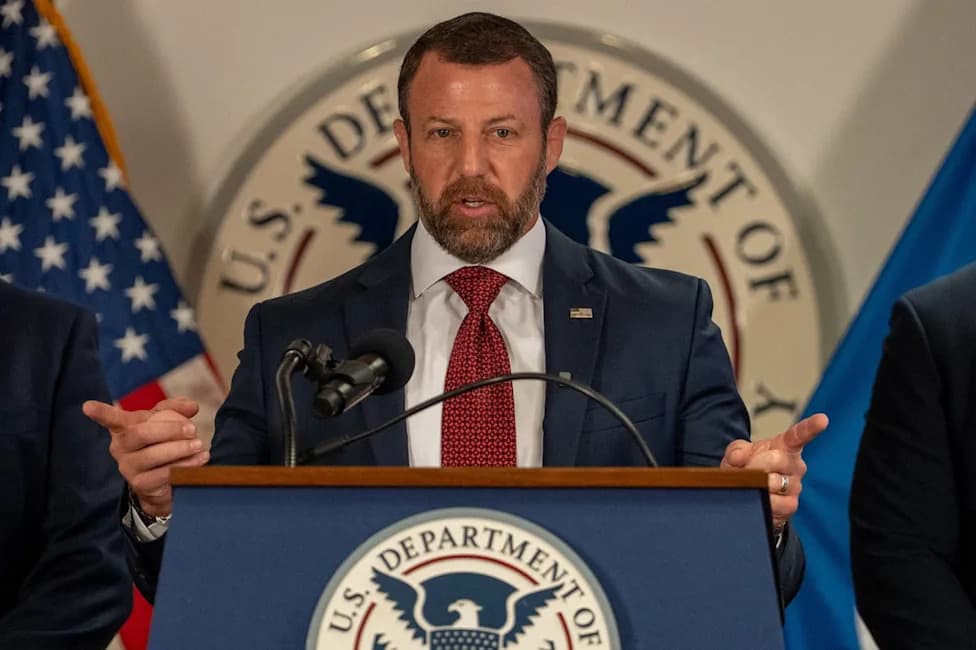
The policy has drawn heightened scrutiny after reports that migrants deported to Equatorial Guinea were held at gunpoint and beaten. The Department of Homeland Security welcomed the Supreme Court's order; the agency's general counsel described it as "a bad day for criminal illegals and open borders activists alike."
Next Steps
The Supreme Court plans to hear oral arguments in December, so a final ruling is not expected until next year. Meanwhile, Democratic members of Congress have pledged to investigate the deportation arrangements if they retake control of the House, the Senate, or both in November's midterm elections.
Reporting by Adrian Elimian.
Help us improve.