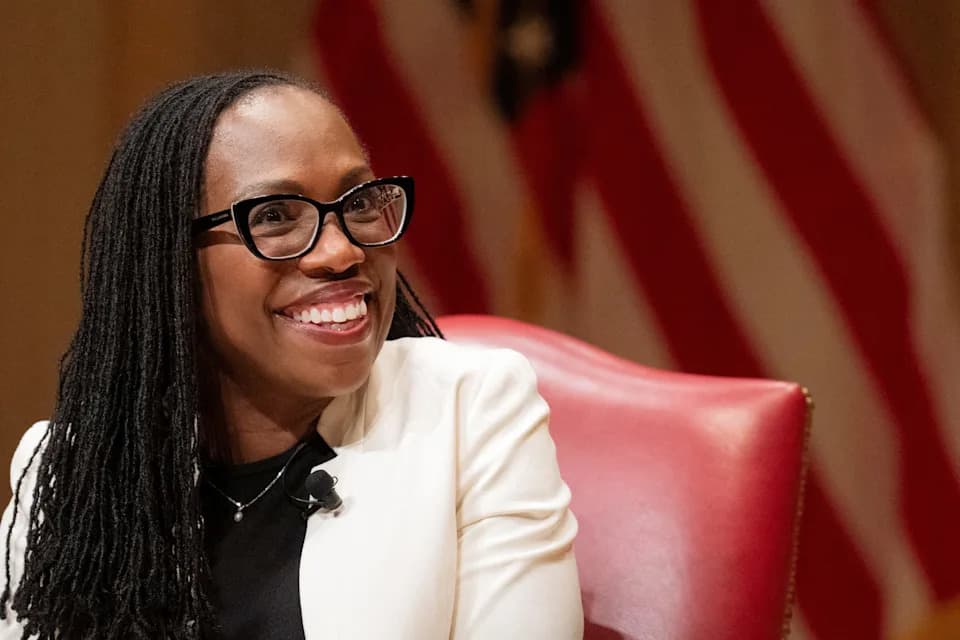
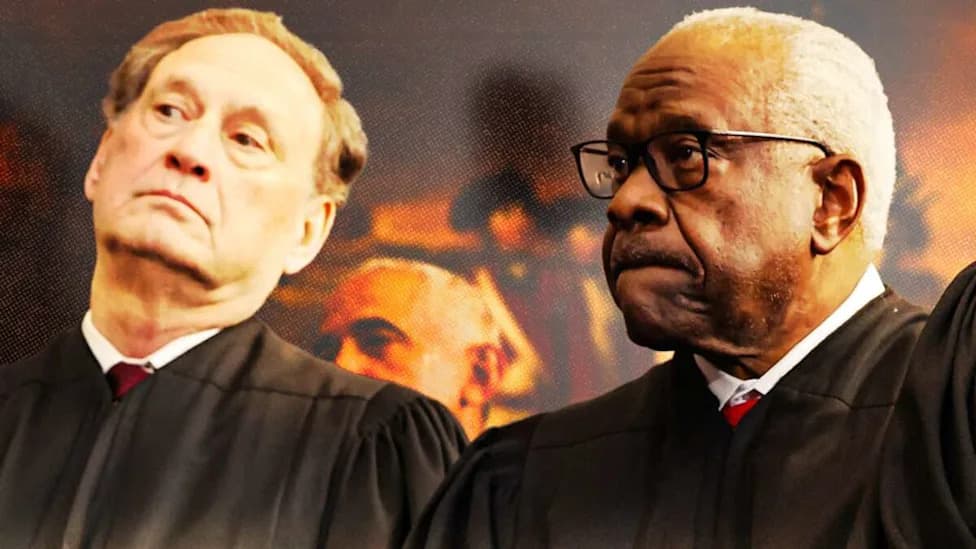
Justice Sonia Sotomayor called the Trump administration’s increase in emergency appeals "unprecedented," saying the Supreme Court’s recent approach to emergency relief has shifted the legal playing field. She noted the court sided with the administration in about two dozen emergency orders last year, often allowing contested policies to proceed temporarily. The emergency docket has divided the justices, a split highlighted by a public exchange between Justices Ketanji Brown Jackson and Brett Kavanaugh. Sotomayor contrasted those short-term rulings with cases like the tariffs dispute, which were rejected after full briefing and argument.
Sotomayor: Trump’s Spike In Emergency Appeals Is “Unprecedented” — How The Supreme Court’s Emergency Docket Has Shifted
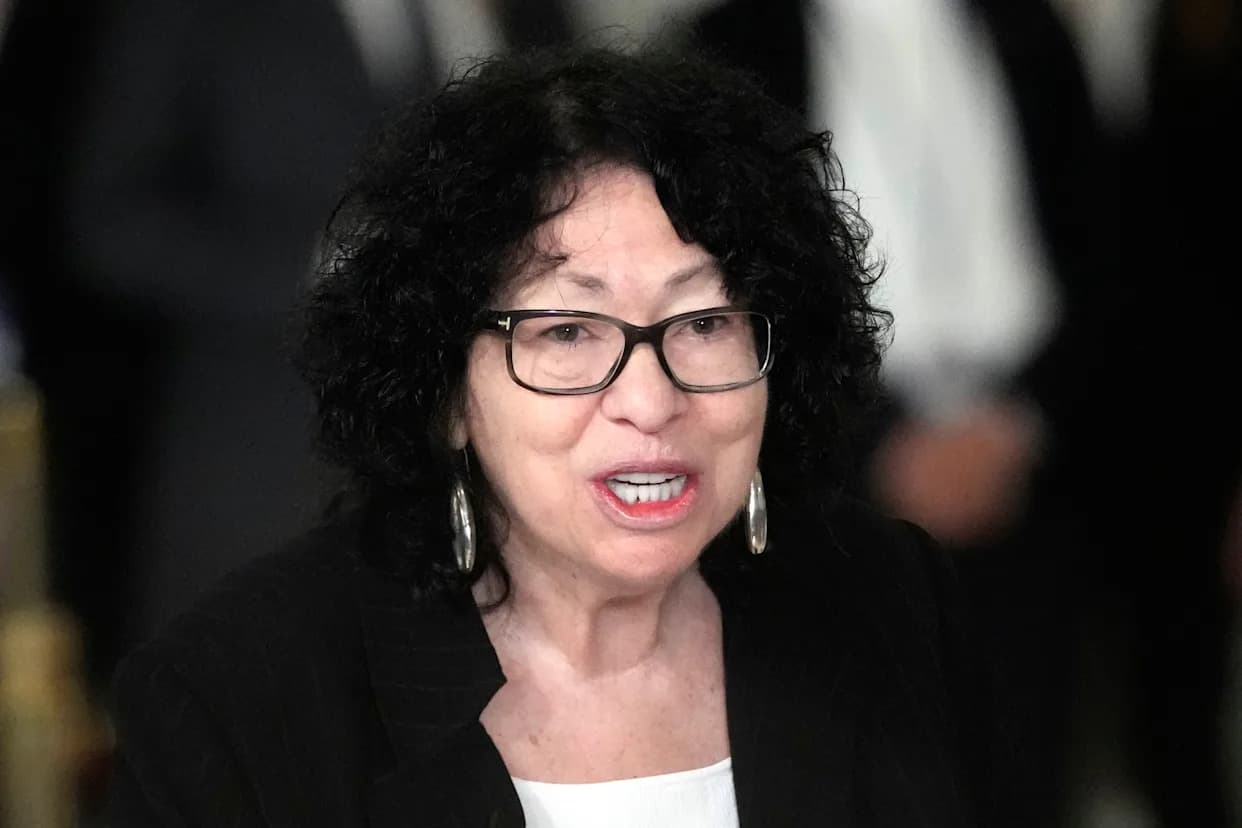
FILE - Supreme Court Justice Sonia Sotomayor speaks during a service for retired Supreme Court Justice Sandra Day O'Connor in the Great Hall at the Supreme Court in Washington, Dec. 18, 2023. (AP Photo/Jacquelyn Martin, Pool, File)(ASSOCIATED PRESS)
WASHINGTON — Justice Sonia Sotomayor said Thursday that the Trump administration has secured a string of victories on the Supreme Court’s emergency docket, calling the surge in emergency appeals “unprecedented in the court’s history.” Speaking at the University of Alabama School of Law, she warned that the court’s approach to emergency relief has changed the legal landscape.
Sotomayor said the high court sided with the administration in roughly two dozen emergency decisions last year, frequently staying or reversing lower-court orders that had found the administration’s policies likely unlawful. Those emergency rulings covered issues ranging from immigration restrictions to sharp cuts in federal funding.
Although emergency orders are intended to be temporary, Sotomayor noted they have often allowed the administration to press forward — at least for the time being — with substantial parts of its agenda. She criticized what she described as a presumption that blocking an executive policy would cause irreparable harm that could not later be fixed, saying that presumption makes emergency relief easier to grant.
“If you start with the presumption that there is irreparable harm to one side, then you’re going to have more grants of emergency relief. Because the other side is going to have a much harder time,” Sotomayor said. “It has changed the paradigm on the court.”
The emergency docket — appeals that ask the justices to intervene quickly while cases remain pending in lower courts — has itself become a matter of internal dispute. That tension played out publicly last month when Justice Ketanji Brown Jackson and Justice Brett Kavanaugh exchanged sharp remarks about how the court should handle emergency filings.
What This Means
Sotomayor’s comments offer rare insight into emergency orders that are often issued with little explanation. While many emergency-docket rulings have favored the administration, the court has also rejected major Trump policies after a fuller review — for example, striking down sweeping tariffs following complete briefing and oral argument.
Observers say the trend raises questions about access to justice and the balance between rapid judicial intervention and careful, full consideration of disputed legal claims. Sotomayor’s critique highlights how standards applied at the emergency stage can shape outcomes long before a case reaches a final decision.
Help us improve.