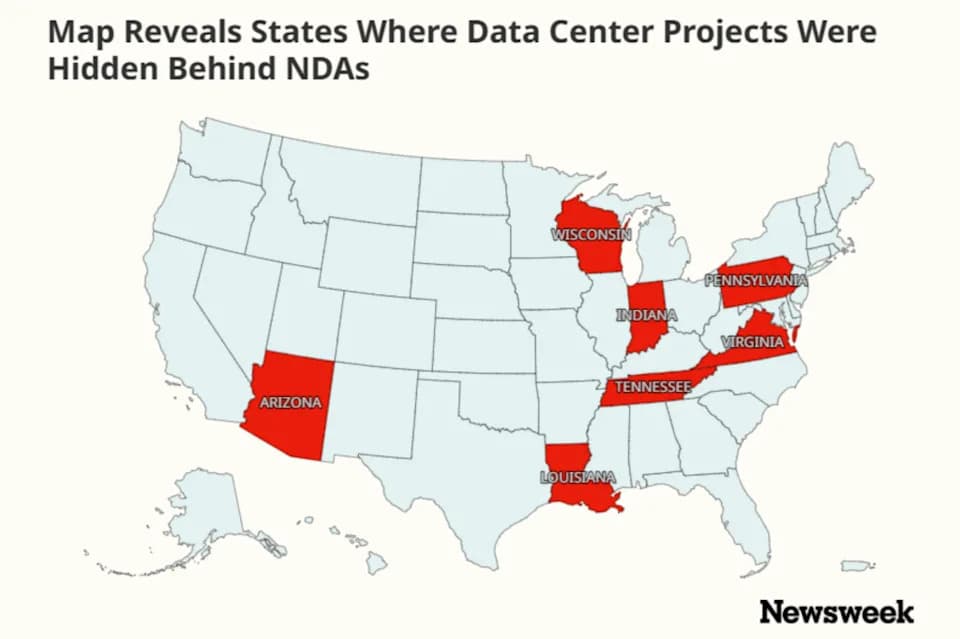
Port Washington, Wisconsin (pop. ~12,000) will vote on a citizen referendum that would require voter approval before creating Tax Incremental Districts (TIDs) with a base value of $10 million or more — a move aimed at limiting large public incentives for projects like the proposed $15 billion OpenAI-Oracle "Stargate" data center. Supporters say the measure demands transparency and responsible development; business groups warn it could chill investment. The vote highlights a national trend of local pushback against AI data centers and a lack of statewide policy guidance.
Small Wisconsin Town Votes On Referendum That Could Curb Trump-Backed AI Data Center Plans
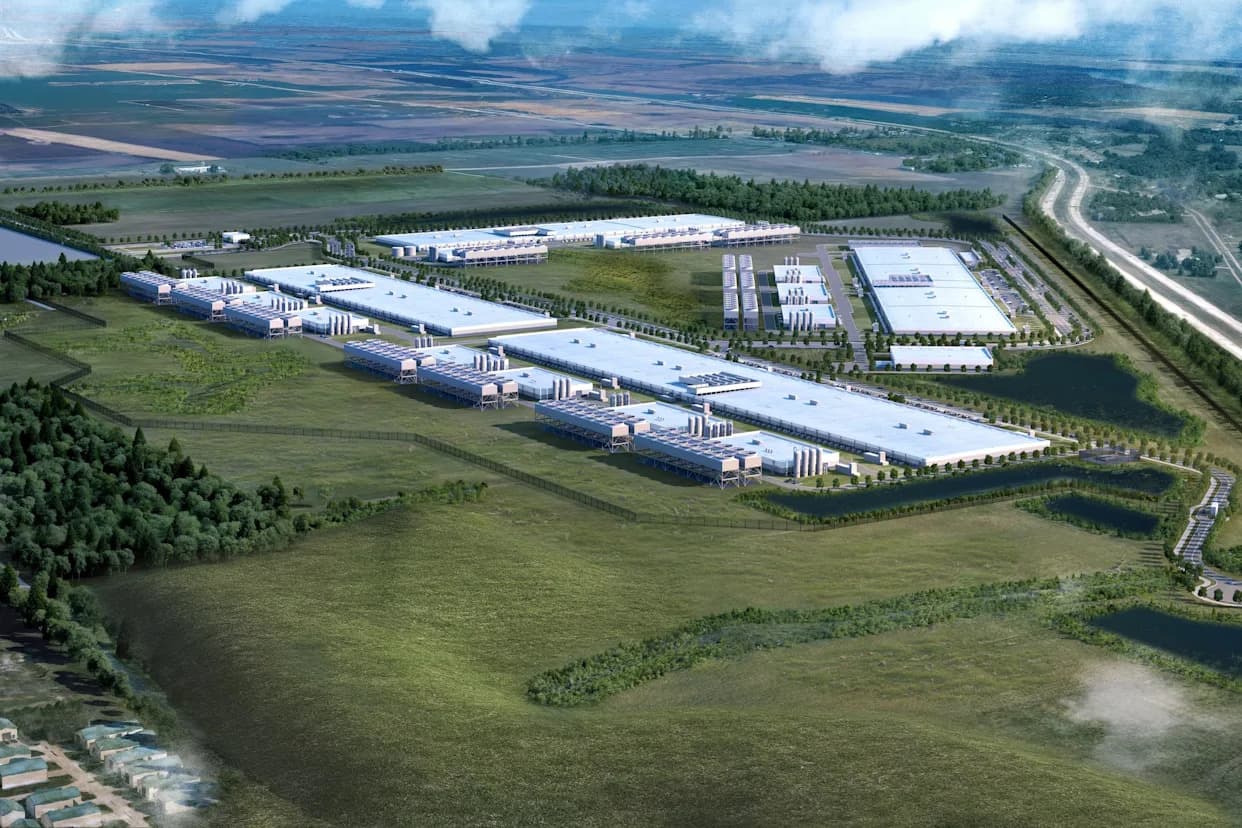
Port Washington, a lakeside city of roughly 12,000 north of Milwaukee, will vote on a citizen-led referendum that could reshape how communities approve large public incentives for data center projects.
The ballot measure — organized by a grassroots group called Great Lakes Neighbors United — would require voter approval before the city creates any Tax Incremental District (TID) with a base value of $10 million or more. Backers say the change is a targeted way to force transparency and public oversight for megaprojects; opponents argue it would chill economic development and scare away investment.
What’s At Stake
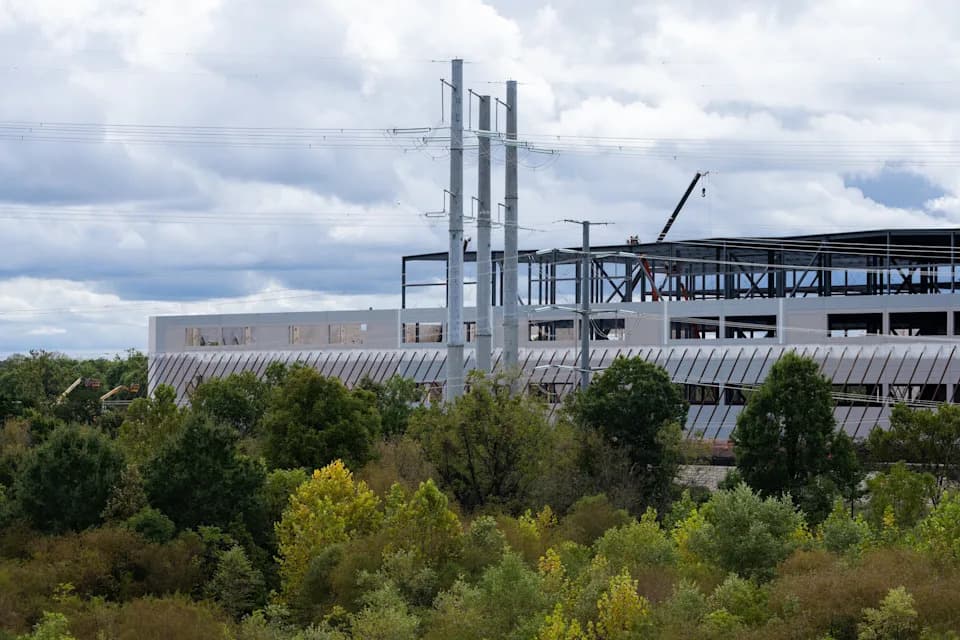
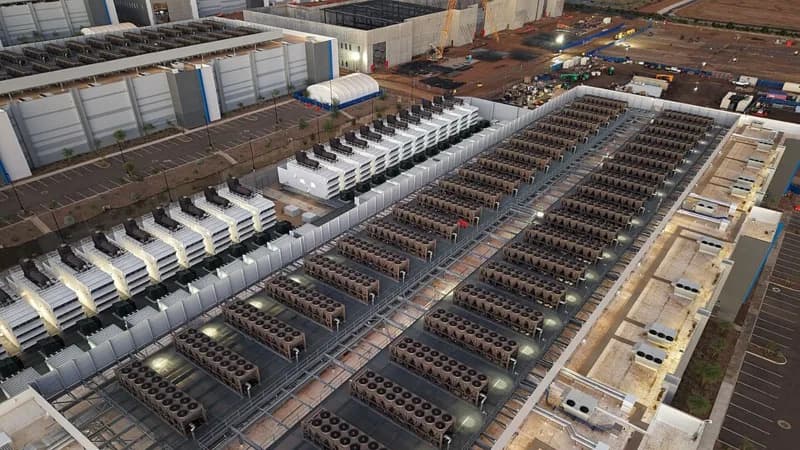
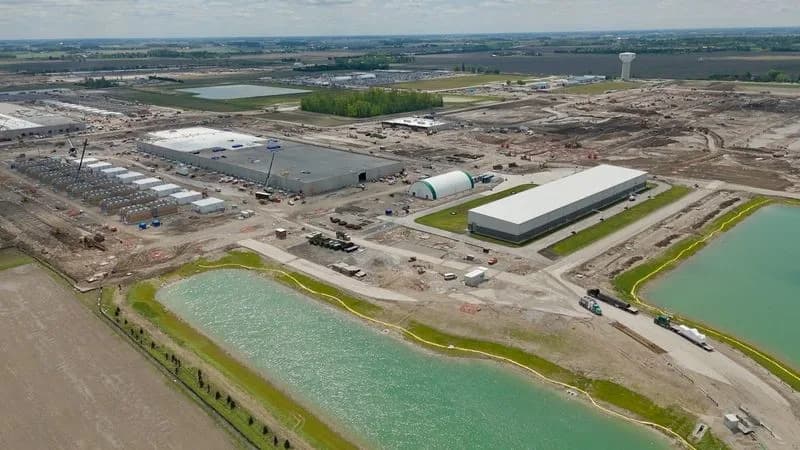
The referendum comes amid controversy over a proposed $15 billion, 1.3-gigawatt data center campus called "Stargate," backed by OpenAI and Oracle and being built with partner Vantage Data Centers. Oracle has said the campus would run primarily on zero-emissions energy, use closed-loop cooling to recycle water, create about 4,000 construction jobs and roughly 1,000 long-term jobs, and contribute $175 million for local infrastructure upgrades.
Organizers — roughly a dozen residents who formed the nonprofit in October — qualified the measure after collecting approximately 1,000 signatures in about 10 days. Their campaign gained broader attention after comedian and AI critic Charlie Berens amplified protests on social media; tensions spilled into city council meetings and led to several arrests for disorderly conduct during a December hearing.
Arguments From Both Sides
Supporters say the referendum is not anti-technology but a demand for responsible development and greater citizen oversight of multimillion-dollar public incentives. "We want responsible development, and we want responsible tech moving forward," said Carri Prom, a co-founder of the group.
“It seemed like something we could do now — we didn't want public financing just to be given to multibillion-dollar companies without adequate public input.” — Group Organizer
Proponents in business and government, including Port Washington Mayor Ted Neitzke, argue the measure targets the principal financing tool Wisconsin cities use to attract large projects and would deter prospects. The Milwaukee Metropolitan Association of Commerce (MMAC) has filed a lawsuit seeking to block the referendum.
Broader Context
The Port Washington vote is part of a growing national trend: at least three other U.S. communities — Monterey Park, California; Augusta Township, Michigan; and Janesville, Wisconsin — are preparing data center-related measures for 2026 elections. In Ohio, organizers are petitioning for a statewide ballot question to ban data centers larger than 25 megawatts.
Legal experts say the Port Washington measure may face vulnerability because it expands referendum authority beyond what state statutes explicitly permit; University of Wisconsin–Madison urban planning professor Kurt Paulsen suggested the dispute could wind up at the Wisconsin Supreme Court. The vote also highlights a policy gap at the state level: recent proposals to standardize data center rules stalled amid partisan disagreement.
Why It Matters
Data centers are central to the AI industry and are promoted by tech companies and some federal policymakers as crucial for competitiveness and national security. But public concerns — about electricity demand, higher utility costs, freshwater use, noise, construction impacts and limited local input — have turned some communities into battlegrounds over where and how these facilities should be built.
Whatever the outcome in Port Washington, the vote is likely to be watched by communities and policymakers nationwide as a test case for citizen-led limits on data center financing and the broader tension between local control and regional economic development.
Help us improve.