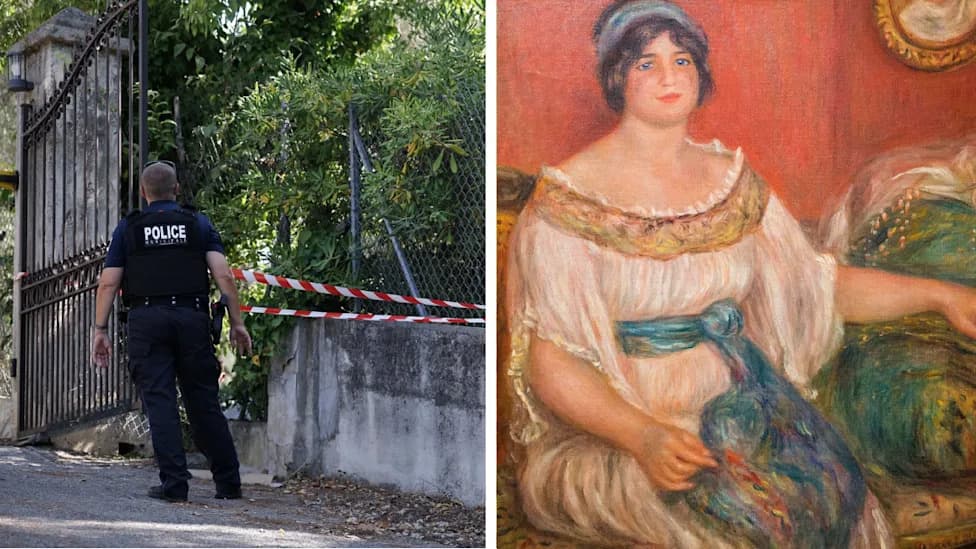
The March 22–23 theft at Italy’s Magnani Rocca Foundation, which involved works attributed to Renoir, Cézanne and Matisse, has renewed scrutiny of museum security. Retired FBI art investigator Geoff Kelly says many thefts are simple smash-and-grab jobs that exploit basic vulnerabilities rather than elaborate conspiracies. He recommends practical, low-cost measures—moving prized works away from exits, using stronger mounts and improving surveillance—to slow thieves and give law enforcement time to respond. Modern image-search tools and surveillance make selling high-profile stolen art increasingly difficult.
Museum Heist in Italy Highlights Fragile Museum Security—Former FBI Art Investigator Warns
Art heist targeting million-dollar masterpieces exposes blind spots in museum defenses, expert warns
Works attributed to Pierre-Auguste Renoir, Paul Cézanne and Henri Matisse were stolen from Italy’s Magnani Rocca Foundation during a March 22–23 overnight break-in, an audacious theft that has reignited global concerns about museum security. While the headlines focus on the drama of the crime, former FBI Art Crime Team investigator Geoff Kelly says the deeper story is about recurring, preventable vulnerabilities that put cultural treasures at risk.
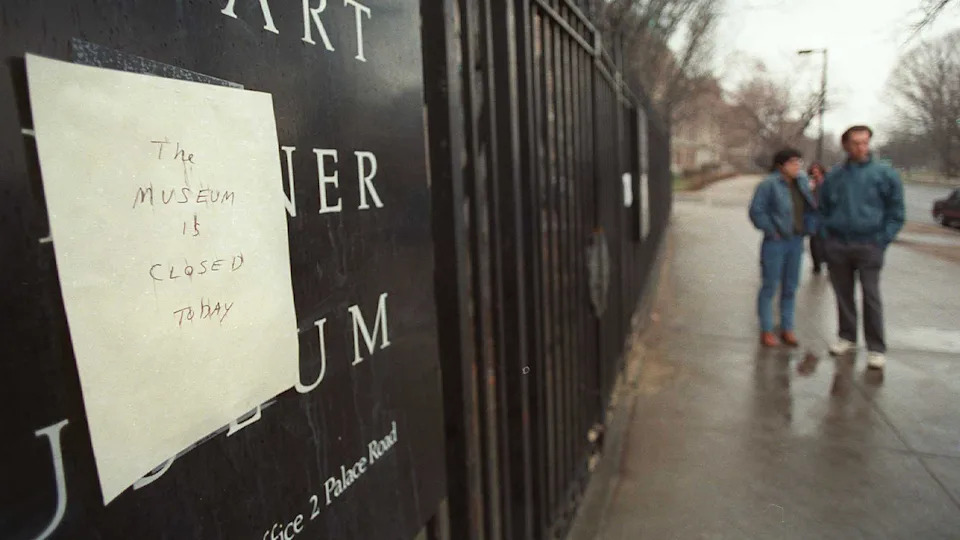
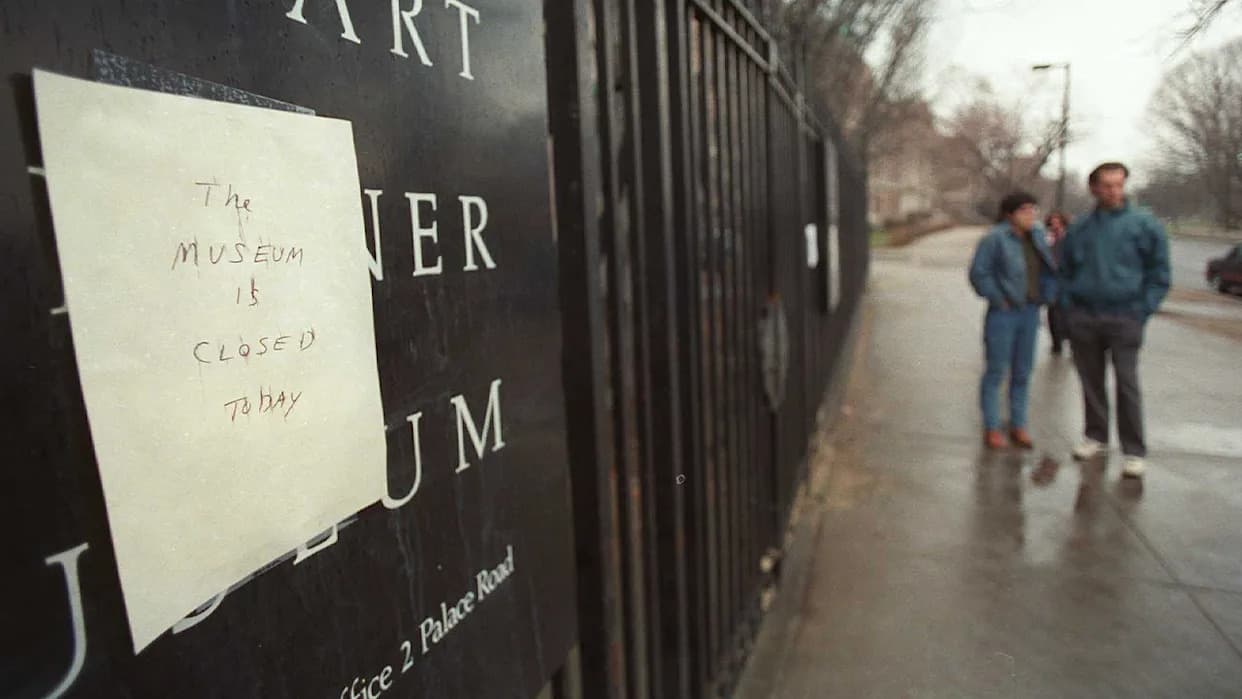
The Stewart Gardner Museum was closed due to a robbery in 1990.(Getty Images)
Why Museums Are Particularly Vulnerable
Kelly, a retired FBI agent who worked on high-profile art-theft cases, told Fox News Digital that many museum thefts are neither glamorous nor highly sophisticated. “Stealing the artwork is easy,” he said. “Kicking in a door, breaking a window, and running off with it is not difficult.” Museums are designed to be open and welcoming—qualities that can be exploited by thieves.
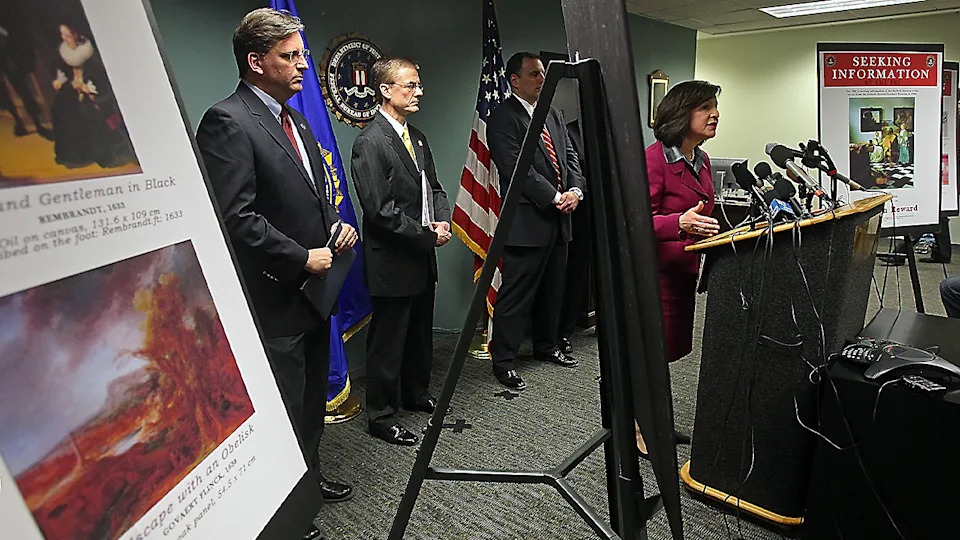
U.S. Attorney Carmen Ortiz speaks at a news conference in the FBI office on the state of the Isabella Stewart Gardner Museum art heist investigation, March 15, 2013.
Historic Examples Underscore Long-Term Risks
The United States has experienced dramatic losses, most notably the March 1990 Isabella Stewart Gardner Museum robbery in Boston, when 13 works estimated at roughly $500 million were taken and remain missing. Kelly worked on that investigation for years, illustrating how even major institutions can be vulnerable and how difficult recoveries can be.
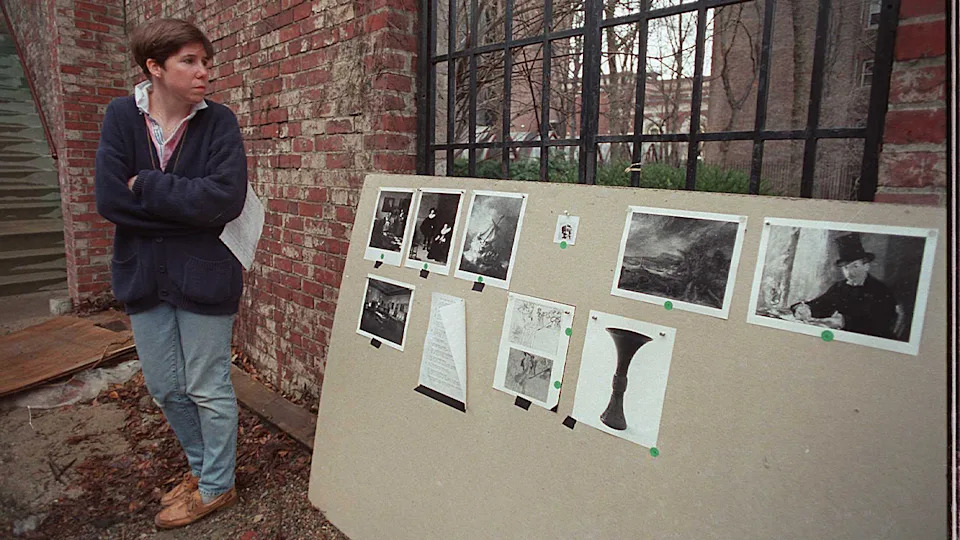
Karen Haas, acting curator of the Isabella Stewart Gardner Museum in Boston, during a news conference outside the museum to show photos of the stolen $300 million in artwork taken in an early morning robbery.
Simple Tactics, Big Consequences
Contrary to cinematic portrayals of elaborate, coordinated capers, many real-world art thefts are smash-and-grab operations that exploit basic weaknesses: artworks placed near exits, inadequate mounting hardware, predictable security routines or lapses after hours. In some cases thieves benefit from insider knowledge, but often they rely on easily fixable oversights.
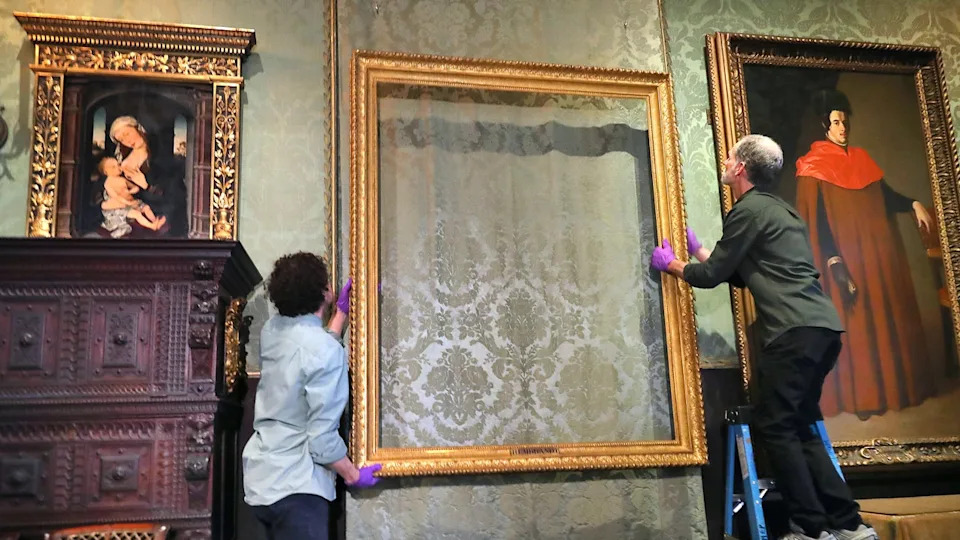
Isabella Stewart Gardner Museum conservators restore empty frames in advance of the 35th anniversary of 13 artworks being stolen from the museum in a brazen heist.
Practical, Cost-Effective Mitigations
Kelly recommends modest, pragmatic changes that can materially increase the time needed for a thief to remove an object—time that gives law enforcement a better chance to respond. Recommended steps include:
- Positioning high-value items away from doors and exits
- Using stronger, tamper-resistant mounting hardware
- Improving after-hours physical security and perimeter monitoring
- Upgrading surveillance, including high-resolution cameras and integrated alerts
- Strengthening staff vetting and monitoring to reduce insider risk
“Even those extra few seconds can matter,” Kelly said, noting that small changes often have outsized effects.
Why Stolen Masterpieces Are Hard To Monetize
Kelly emphasized that there is limited demand for famous, easily identifiable masterpieces. Advances in image-search technology, databases of stolen art and robust international law enforcement cooperation make it difficult for thieves to sell well-known works. “There is no real market,” he said. “Over time, it becomes a liability rather than an asset.” Thieves may abandon or quietly return pieces they cannot monetize.
Modern Tools Aid Detection And Recovery
Law enforcement now has more tools—surveillance cameras, license-plate readers, digital forensics and online image-matching—that increase the chances of tracking suspects and locating stolen pieces. Yet Kelly cautioned that art thefts still occur every year worldwide, and vigilance and continuous improvement of security practices are essential.
Beyond monetary loss, Kelly stressed the cultural stakes: “These works represent our shared cultural heritage. When they’re stolen, we all lose.” The Magnani Rocca theft serves as a reminder for museums everywhere to reassess both obvious and subtle security gaps.
Help us improve.