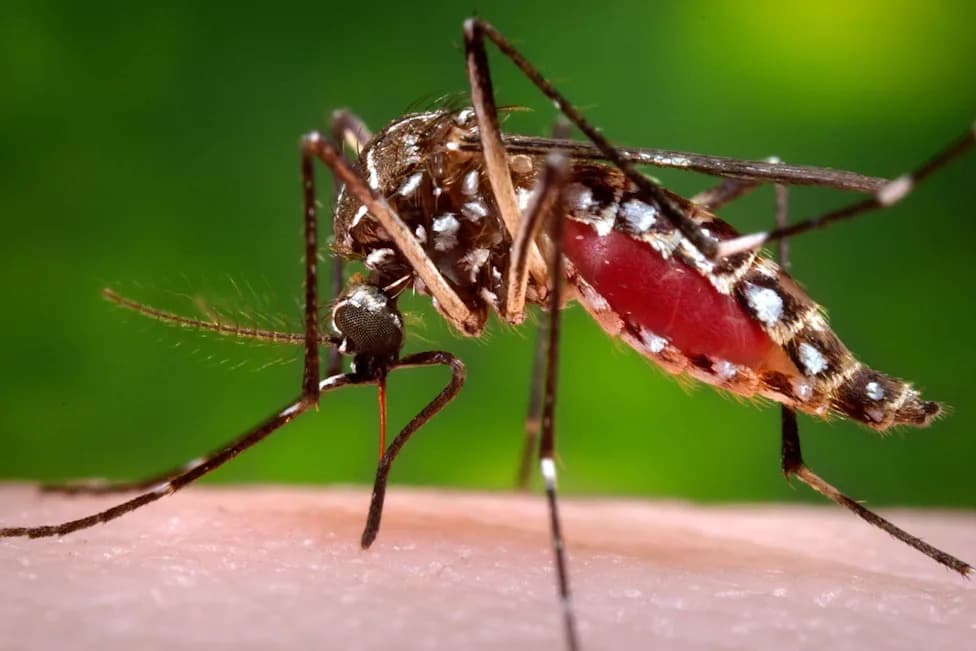
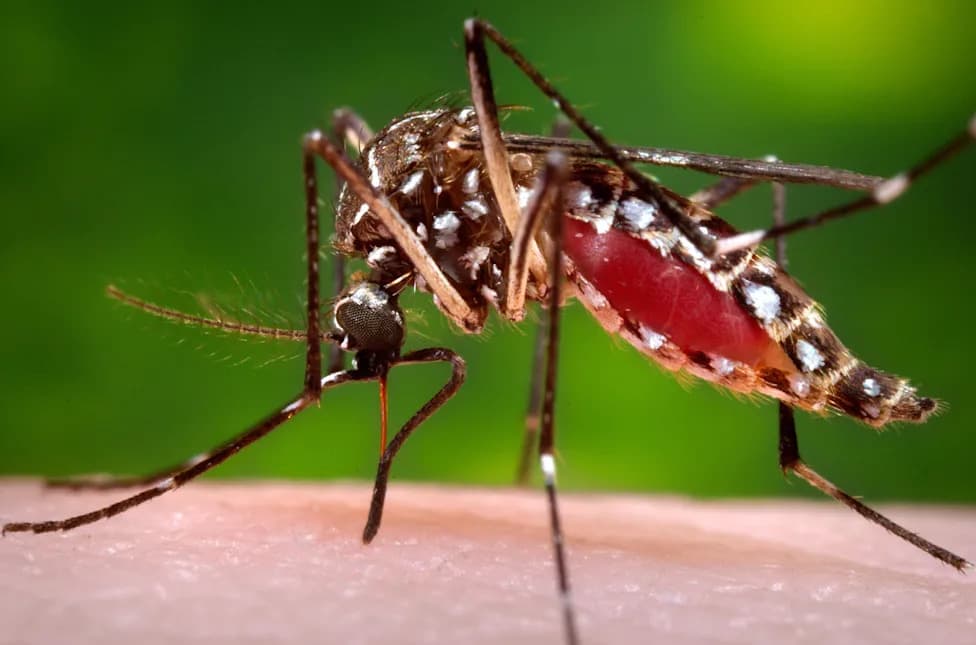
The CDC has issued a travel alert after several countries reported increasing dengue cases, warning that the disease poses a year-round risk in many regions and that outbreaks often recur every two to five years. Dengue is spread by day-biting Aedes mosquitoes and causes symptoms such as fever, headache, rash, nausea and muscle pain. The illness can deteriorate rapidly; severe dengue can lead to uncontrolled bleeding, shock, organ failure and death and requires hospitalization. Travelers are urged to use EPA-registered repellents, wear long clothing and sleep in air-conditioned or screened rooms.
CDC Issues Global Travel Alert as Dengue Cases Rise — How Travelers Can Protect Themselves
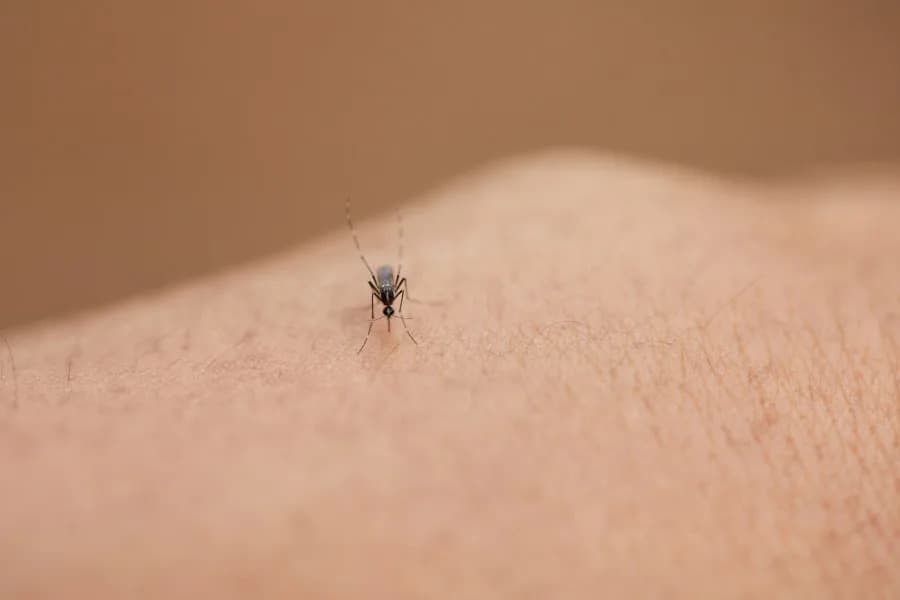
The Centers for Disease Control and Prevention has issued a travel alert after multiple countries reported rising numbers of dengue infections. The agency announced the advisory Wednesday to warn travelers and public health officials about increased risk in several regions.
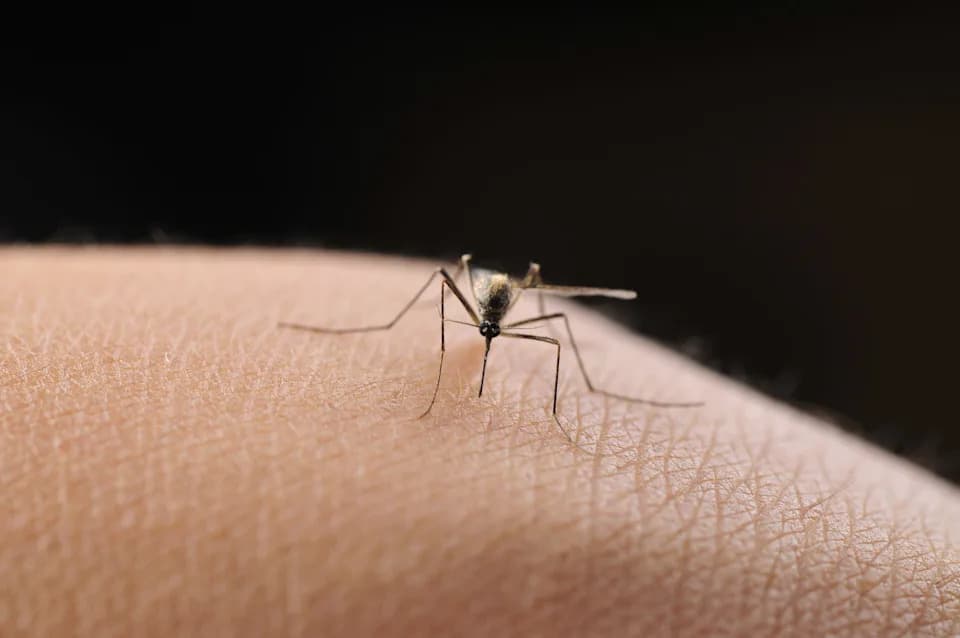
“Travelers to risk areas should prevent mosquito bites by using an EPA-registered insect repellent, wearing long-sleeved shirts and long pants when outdoors, and sleeping in an air-conditioned room or room with window screens,” the CDC advised.
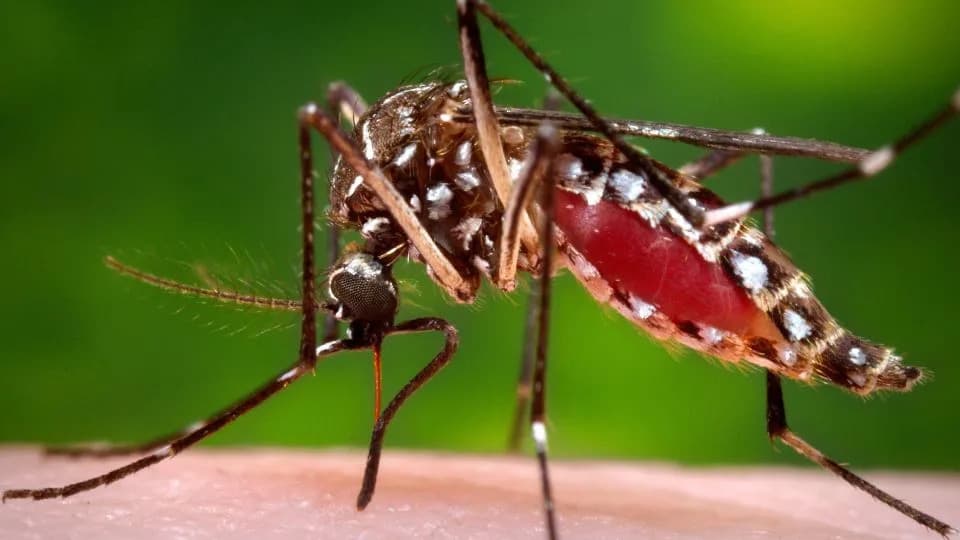
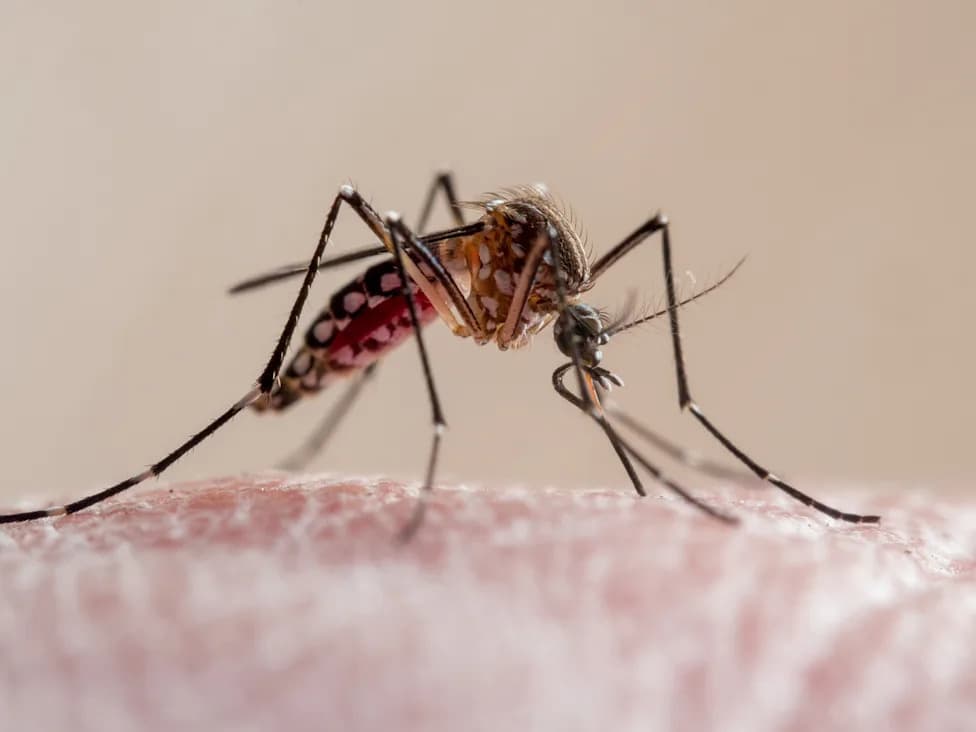
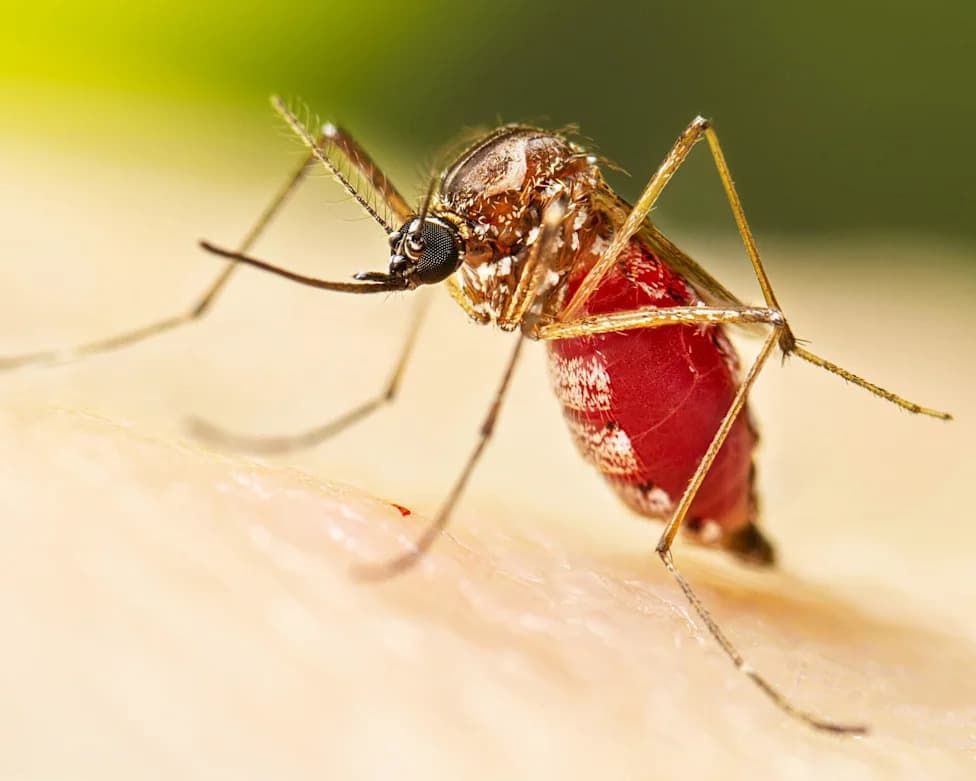
The CDC notes that dengue is a year-round threat in many parts of the world, with outbreaks commonly recurring every two to five years. Dengue is caused by a virus transmitted primarily by day-biting Aedes mosquitoes, including Aedes aegypti.
Symptoms
- Fever
- Severe headache
- Nausea and vomiting
- Rash
- Muscle and joint pain
- Minor bleeding (for example, nose or gum bleeding)
The illness can worsen rapidly — sometimes within hours. Severe dengue requires prompt medical attention and hospitalization. When dengue progresses to a critical stage it can cause uncontrolled bleeding, dangerously low blood pressure (shock), organ failure and death.
Prevention and Advice for Travelers
- Use an EPA-registered insect repellent and follow label directions.
- Wear long-sleeved shirts and long pants, especially during daytime when Aedes mosquitoes are most active.
- Sleep in air-conditioned rooms or spaces with window screens, or use bed nets if needed.
- Remove or avoid standing water around accommodations to reduce mosquito breeding sites.
- If you develop symptoms after travel, seek medical care and tell providers about your travel history.
There is no specific antiviral cure for dengue; treatment focuses on supportive care and close monitoring. For the latest travel recommendations and country-specific risk updates, consult the CDC website before traveling.
Source: Centers for Disease Control and Prevention (CDC). Reporting: NewsNation.
Help us improve.