Poland's Air Navigation Services Agency has started operating two new radars—one near Katowice and another near Pułtusk—to improve radiolocation accuracy and operational security. The systems are part of a 1.4 billion zloty investment plan running from 2024 to 2029. PANSA said the radars will improve communications between aircraft and air traffic control and that radar feeds are shared with the military to support civil‑military cooperation. The move comes amid recent airspace incidents, including drone and balloon incursions.
Poland Activates Two New Radars to Boost Airspace Detection and Security

A plane trail is seen in the sky above the Palace of Culture and Science in Warsaw, Poland, October 28, 2024. REUTERS/Kacper Pempel
Poland's Air Navigation Services Agency (PANSA) said on Thursday that it has begun operating two new radar installations to enhance radiolocation data and strengthen operational security across Polish airspace.
The systems include a co‑located primary radar near Katowice and a secondary unit near Pułtusk, PANSA said. The radars are part of a wider 1.4 billion zloty investment programme scheduled for 2024–2029 designed to modernize the country's air‑monitoring infrastructure.
Why the Upgrade?
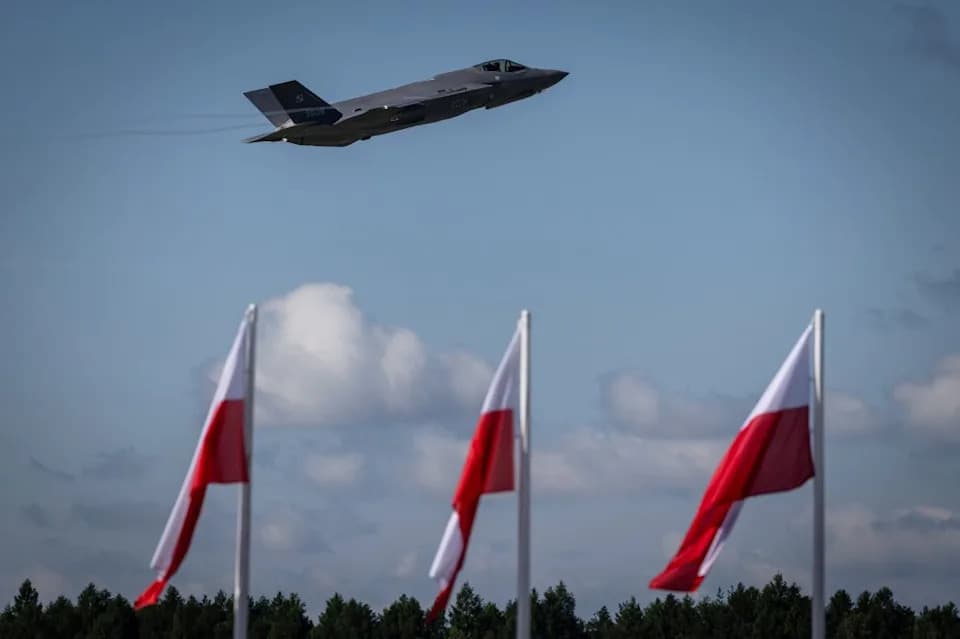
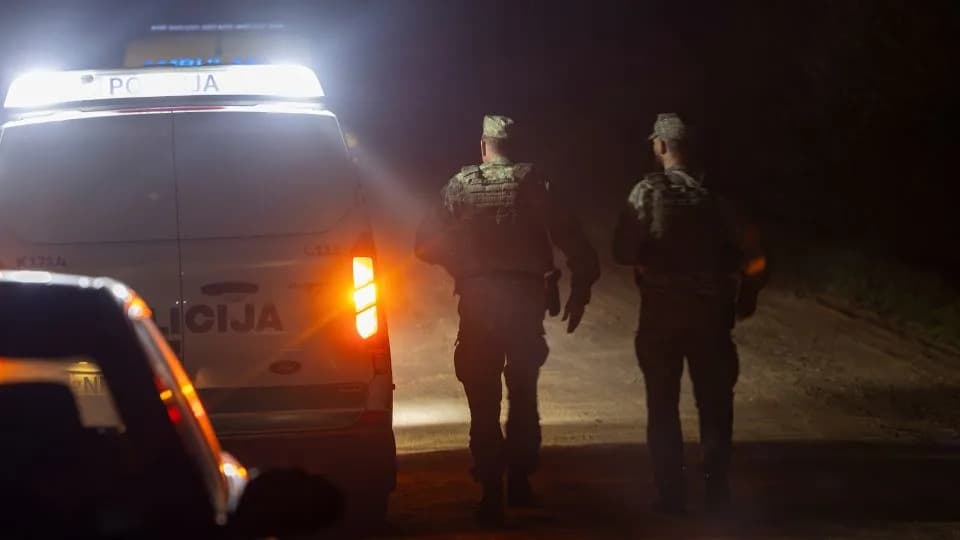
Poland has stepped up air‑surveillance efforts amid increased regional tensions and repeated airspace incidents. The country frequently scrambles fighter jets alongside NATO partners to patrol its skies amid Russian aerial attacks over Ukraine. In recent years Warsaw has reported several breaches, including an incursion of about 20 drones in September that it attributed to Russia and a series of balloons from Belarus that authorities said were probing NATO detection systems.
Capabilities and Cooperation
PANSA said the new technology will improve the precision of communications between aircraft and air traffic control and provide more accurate radiolocation information for traffic management. All radar feeds are shared with Poland's military to support coordinated civil‑military operations and enable flexible airspace management when required.
"PANSA is responsible for civil aviation traffic control, but we also develop civil‑military cooperation by creating tools to enable flexible airspace management if military operations are required within its airspace," a PANSA spokesman said.
The upgrades are intended to enhance situational awareness, reduce response times to incursions, and strengthen interoperability with NATO partners monitoring the region.
Reporting by Karol Badohal; Editing by Alison Williams.
Help us improve.