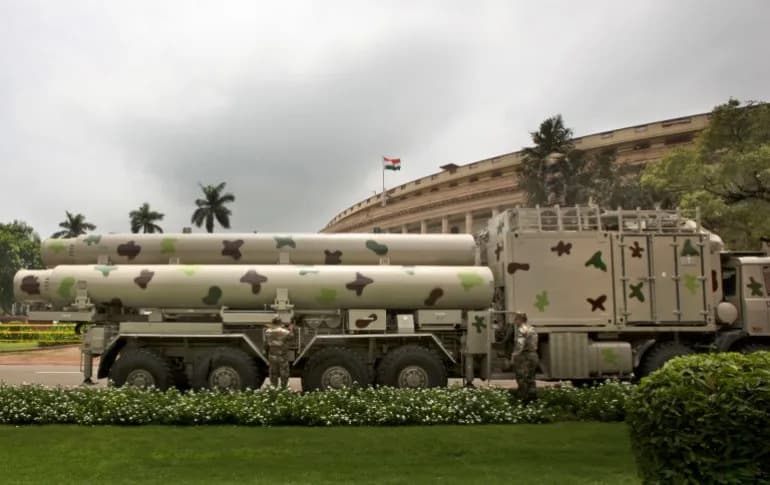
Overview: The US Director of National Intelligence told the Senate that Pakistan is among five countries whose missile programs could eventually put parts of the US homeland within range, citing potential future ICBM development. The 2026 threat assessment warns of growing missile sophistication and projects global missile inventories could increase dramatically by 2035. Pakistani officials and many analysts call the claim speculative, noting Pakistan currently lacks ICBMs capable of striking the United States and that its deterrence posture has historically been India-focused.
US Intelligence Flags Pakistan As A Potential Future Missile Threat; Experts Call The Claim Speculative
Interactive_Pakistan_India_Missiles_August25_2025-1755868832
The United States' Director of National Intelligence told a Senate committee that Pakistan is among five countries whose missile development could one day place parts of the US homeland within range. The statement, part of the 2026 Annual Threat Assessment, prompted pushback from Pakistani officials and regional experts who say the claim is speculative and overlooks regional context.
Key Claims From The 2026 Assessment
The written assessment cited by DNI Tulsi Gabbard says several states, including Pakistan, are "researching and developing an array of novel, advanced or traditional missile delivery systems with nuclear and conventional payloads, that put our homeland within range." The report specifically warns that Pakistan's long-range ballistic missile development "potentially could include ICBMs with the range capable of striking the homeland" if current trends continue.
Missile Capabilities: Present Versus Future
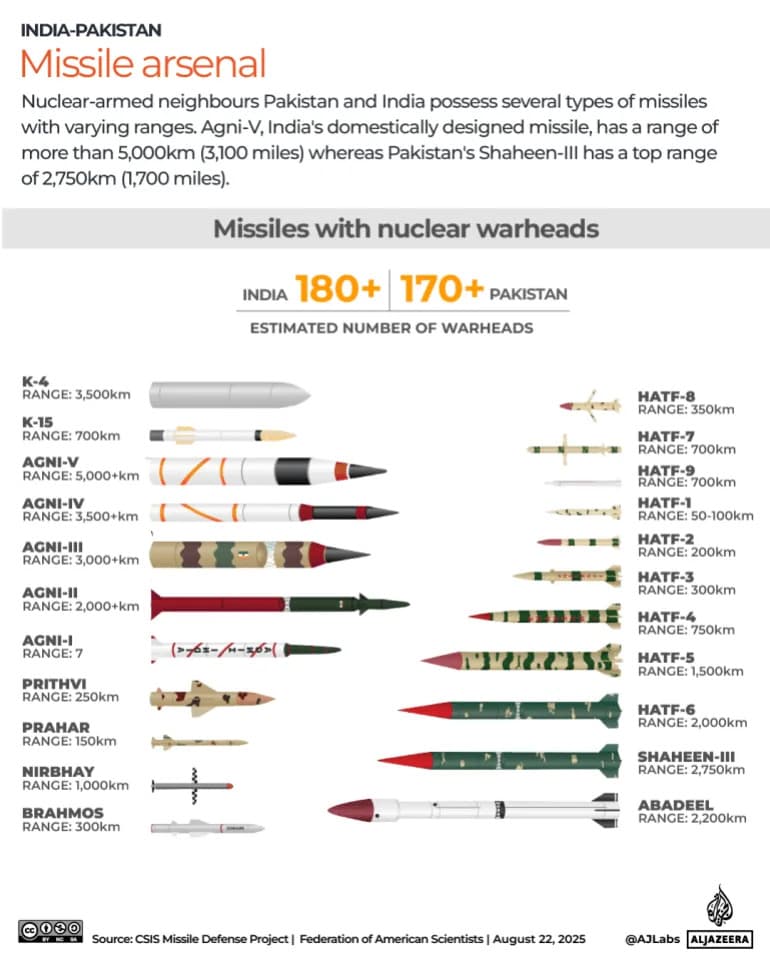
Today, Pakistan's longest-range operational missile is the Shaheen-III, with an estimated range of roughly 2,750 km (1,710 miles), sufficient to cover all of India. By contrast, an intercontinental ballistic missile (ICBM) is typically defined as having a range greater than 5,500 km (3,420 miles). Pakistan does not currently field ICBMs, and the geographic distance to the US mainland—more than 11,200 km—remains a significant barrier.
From The Report: The assessment projects global missile inventories could expand from more than 3,000 missiles today to at least 16,000 by 2035, increasing the number of delivery systems that could, in some cases, challenge missile defenses and widen WMD delivery options.
US Actions And Concerns
Washington has monitored Pakistan's missile program closely. In December 2024 the Biden administration sanctioned Pakistan's National Development Complex and three private companies, alleging procurement of specialised vehicle chassis and missile testing equipment tied to long-range missile development. US officials have warned such trajectories could one day enable strikes beyond South Asia.
Responses From Pakistan And Experts
Pakistani officials and analysts rejected Gabbard's characterization as unfounded. Former Pakistani diplomats and scholars emphasised that Pakistan's nuclear and missile posture has historically been India-centric, intended to maintain credible deterrence in South Asia rather than to project power globally. Several experts told Al Jazeera and other outlets that intelligence assessments appear to be forward-looking warnings rather than descriptions of current capability.
Critics also pointed out regional asymmetries: India fields longer-range systems such as the Agni-V (reported range >5,000 km) and is developing prospective systems like the Agni-VI. Analysts argued that any Pakistani moves toward longer-range missiles would be shaped by regional dynamics, perceived threats and deterrence logic—not by a straightforward drive to target the United States.
Analytical Debate
Some analysts and former US officials suggest motivations for potential Pakistani development of longer-range missiles could include deterring possible external intervention in an India-Pakistan crisis. Other scholars caution against substituting worst-case speculation for grounded, evidence-based analysis and urge a focus on the regional logic of South Asian nuclear decision-making.
Context: Diplomacy And Strategic Relations
The assessment and ensuing debate come amid a complex period in US-Pakistan relations. After a four-day India-Pakistan conflict in May 2025, diplomatic contacts warmed: high-level visits, White House meetings, and announcements of defence cooperation elsewhere in the region. Pakistan's strategic ties with Gulf states and interlocution with Tehran have also heightened its regional relevance.
Bottom Line: The US intelligence community frames Pakistan as a potential future concern if current missile-development trends continue, but Pakistani officials and many experts contend that available evidence does not support the claim that Pakistan currently possesses, or is clearly aiming for, ICBMs capable of striking the US homeland. The debate highlights tensions between preventive intelligence warnings and calls for evidence-grounded regional analysis.
Help us improve.