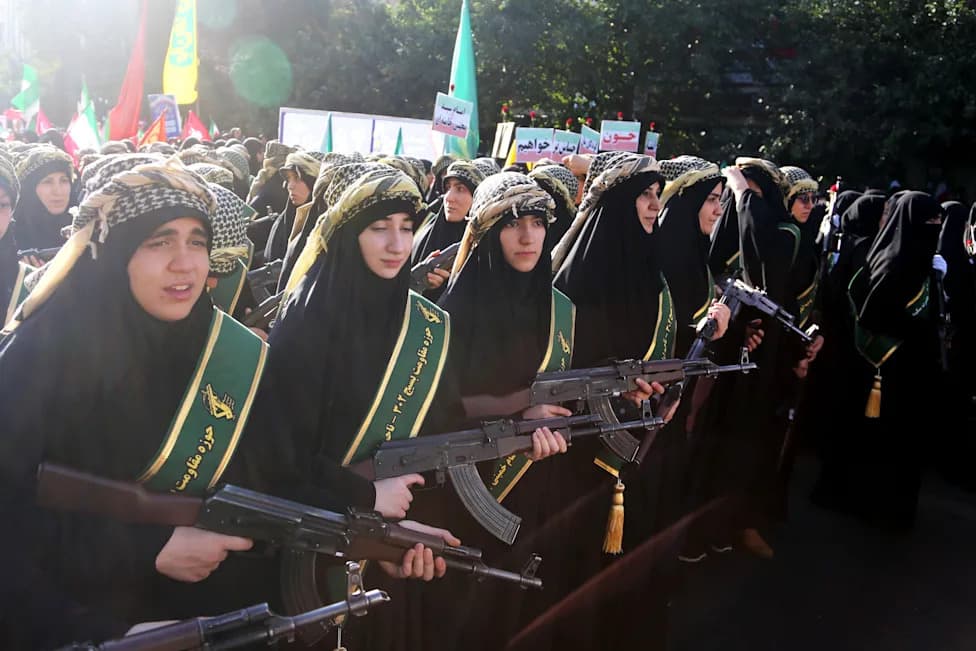
The Washington summit between President Trump and Prime Minister Sanae Takaichi has been overshadowed by recent strikes on Iran that have disrupted shipping through the Strait of Hormuz. Japan — which relies on the strait for roughly 70% of its crude oil imports — has declined to commit naval escorts so far, citing legal constraints and combat risk, and warns of potential fuel shortages around March 20. The leaders will still pursue trade and investment talks, deepen defense cooperation including the proposed "Golden Dome" missile initiative, and discuss reducing dependence on China's rare earths, but energy and Taiwan policy concerns now dominate.
Iran Conflict and Oil Risks Eclipse Trump–Takaichi Washington Summit
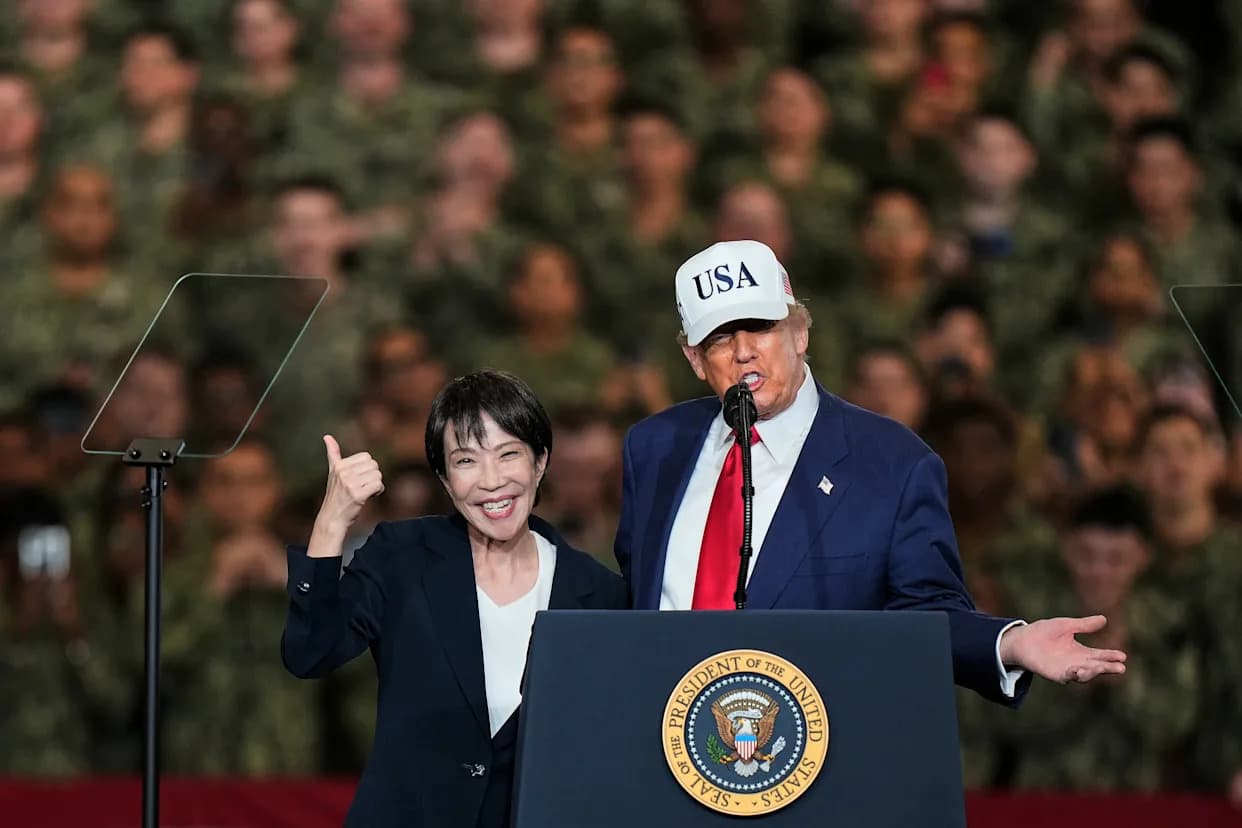
The planned Washington visit by U.S. President Donald Trump and Japanese Prime Minister Sanae Takaichi — originally to feature cherry trees, investment pledges and a reaffirmation of close ties — has been overshadowed by recent military strikes on Iran that have disrupted shipping through the Strait of Hormuz.
Tokyo depends heavily on oil shipped through the strait, and Japan’s energy security has become a central concern for the summit. The Trump administration has asked allies, including Japan, to dispatch naval vessels to help keep the strait open to commercial shipping. Japan has so far stopped short of committing escort ships, citing legal and constitutional constraints and the heightened risk of direct combat.
Energy Pressure and Legal Limits
About 70% of Japan’s imported crude oil and roughly 6% of its imported liquefied natural gas transit the Strait of Hormuz. Prime Minister Takaichi warned that Japan’s crude oil stocks could "decrease significantly" around March 20 if the route remains blocked, raising prospects of shortages that would affect industry and households.
Takaichi has said Tokyo is "vigorously examining" whether sending escort vessels would be lawful, reflecting restrictions in Japan’s postwar constitution that limit the deployment of armed forces for offensive combat abroad. While Japan has sent ships on anti-piracy missions to the Gulf of Aden in past years, the Persian Gulf’s current hostilities create a far greater risk to deployed vessels.
Diplomatic Tension and Summit Agenda
President Trump has publicly expressed frustration at what he calls a lack of support from allies, and is likely to press Takaichi for some commitment to help secure the strait — even if that commitment is vague. Tokyo will press for clear U.S. plans and reassurance, particularly on U.S. policy toward Taiwan, amid signs Washington has been less vocal recently about Taiwan’s role in Indo‑Pacific deterrence.
“The Iran conflict creates an overlay of anxiety for the meeting,” said Kurt Tong, former deputy chief of mission at the U.S. Embassy in Tokyo.
Diplomats say the meeting will still address the large trade-and-investment package signed last year and planned Japanese investments in U.S. projects. That deal included a headline $550 billion investment pledge; Japan has already committed about $36 billion to three projects including an LNG plant in Ohio, an oil export platform off Texas, and a Georgia plant producing synthetic industrial diamond grit. Future tranches are expected to include investments in a nuclear plant, a copper refinery and a display system factory for civilian and defense use.
Defense, Supply Chains and China
Takaichi aims to deepen U.S.–Japan defense cooperation. Tokyo is reported to collaborate on the administration’s proposed "Golden Dome" anti-missile initiative and to sign agreements to reduce dependence on China for rare earths and other critical minerals. Japan is also pressing Washington on trade policy, including a request to be excluded from a potential tariff hike from 10% to 15%, warning higher duties could damage its export-focused auto sector.
Separately, Tokyo has urged U.S. help in responding to targeted economic pressure from Beijing that has hurt Japanese tourism, curtailed rare earth shipments and placed some Japanese firms on Chinese export watchlists — measures Tokyo ties to comments by Takaichi on potential defense responses to aggression across the Taiwan Strait.
Outlook
The summit now balances ceremonial gestures and big investment announcements with urgent discussions about energy security, regional stability and supply-chain resilience. Tokyo seeks concrete assurances and clearer U.S. policy direction as it weighs legal, economic and strategic risks in a rapidly changing security environment.
Source: Reporting from Washington and Tokyo. Megan Messerly contributed to this report.
Help us improve.