Gov. JB Pritzker emerged from Illinois’s primary night with reinforced political clout after Lt. Gov. Juliana Stratton upset Rep. Raja Krishnamoorthi in a Senate primary, despite being outspent. Pritzker directed at least $5 million to a super PAC that spent $14.8 million supporting Stratton, underscoring his influence and boosting his standing as a potential national player. Director of National Intelligence Tulsi Gabbard faced tough questioning in a Senate hearing about intelligence assessments tied to the administration’s decision to strike Iran, while CIA Director John Ratcliffe said Iran remains years from missiles that could reach the U.S. The newsletter also notes fallout from the Iran conflict, Texas runoff dynamics and a Fed decision to hold rates steady amid market pressure.
Pritzker Solidifies His Clout After Illinois Primaries; Gabbard's Senate Hearing Raises Questions About Iran Intelligence
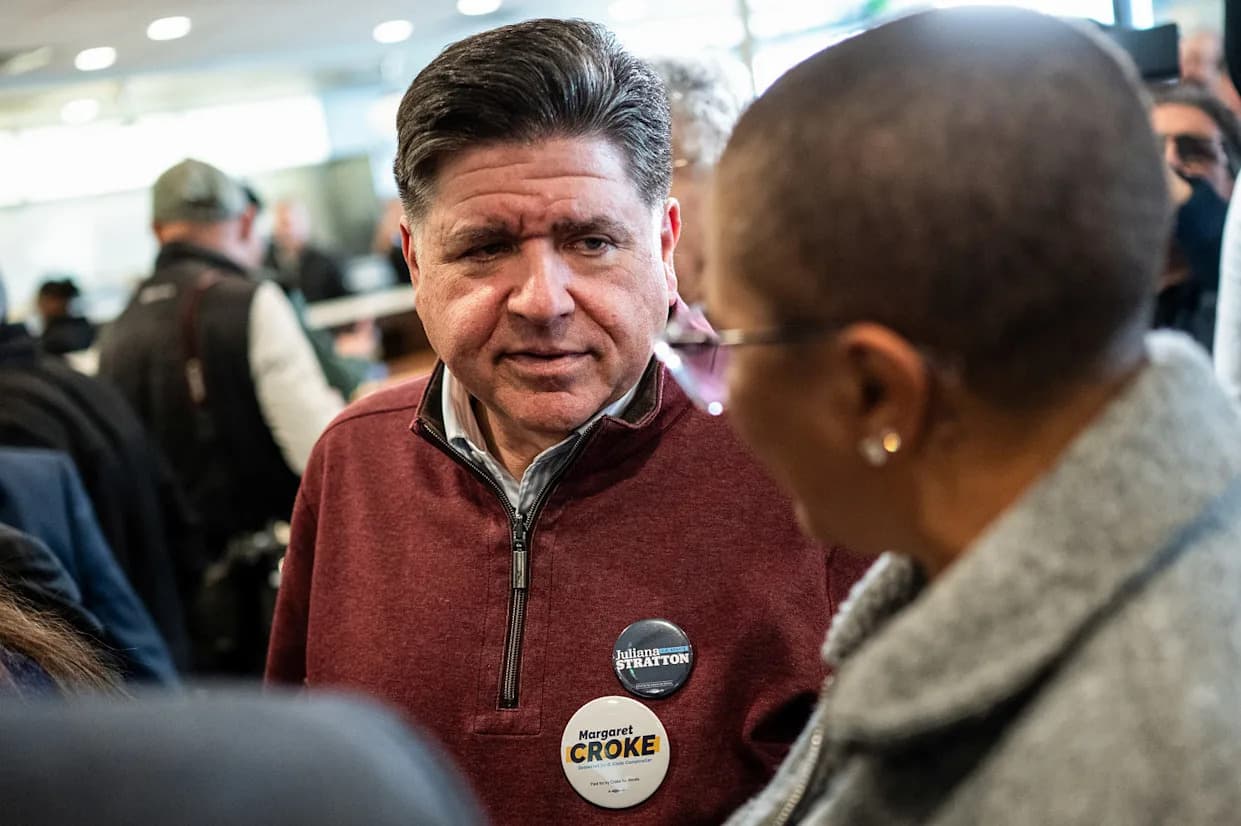
Gov. JB Pritzker emerged from Illinois primary night with reinforced influence after a round of competitive contests that underscored his role as a state power broker. Lt. Gov. Juliana Stratton's upset Senate primary victory and a tense Senate Intelligence Committee hearing over Iran intelligence dominated the day's political headlines.
Pritzker’s Strengthened Standing
Democratic Gov. JB Pritzker officially clinched his party’s nomination for a third term in Illinois, running unopposed and setting up a general election matchup with Republican Darren Bailey. But the broader takeaway from the night was how the results reflected on Pritzker’s influence and the prospects of a future presidential bid.
Stratton’s Win and the Role of Money and Message
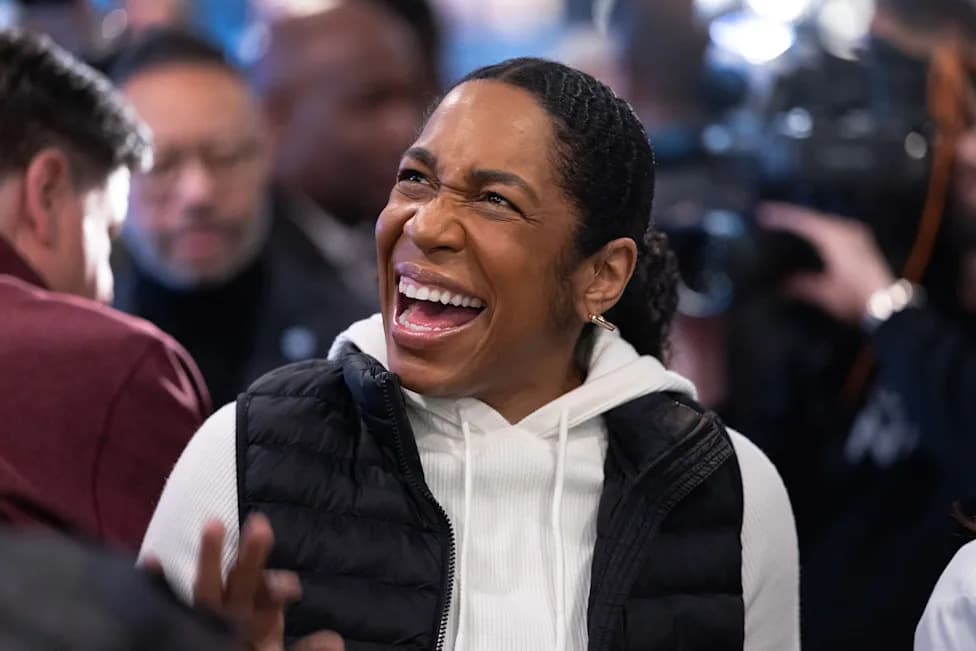
Lt. Gov. Juliana Stratton defeated Rep. Raja Krishnamoorthi in a primary that many expected Krishnamoorthi to win — he had led in fundraising and ran more television advertising. Stratton emphasized a progressive platform while repeatedly pointing to the Pritzker–Stratton record, and Pritzker’s endorsement and resources proved consequential.
Pritzker, a billionaire, directed at least $5 million to a super PAC supporting Stratton; Illinois Future PAC spent roughly $14.8 million on her behalf. Campaign advisers stressed that Stratton’s message — in particular, a willingness to take on former President Donald Trump — resonated with Democratic primary voters even as she was outspent.
“It was a big test for him last night. If he didn’t succeed it would have been a speed bump onto his probable entry into the race for president. Now people won’t question his staying power,” said Jim Durkin, the former Republican leader of the Illinois House.
Gabbard’s Senate Intelligence Committee Appearance
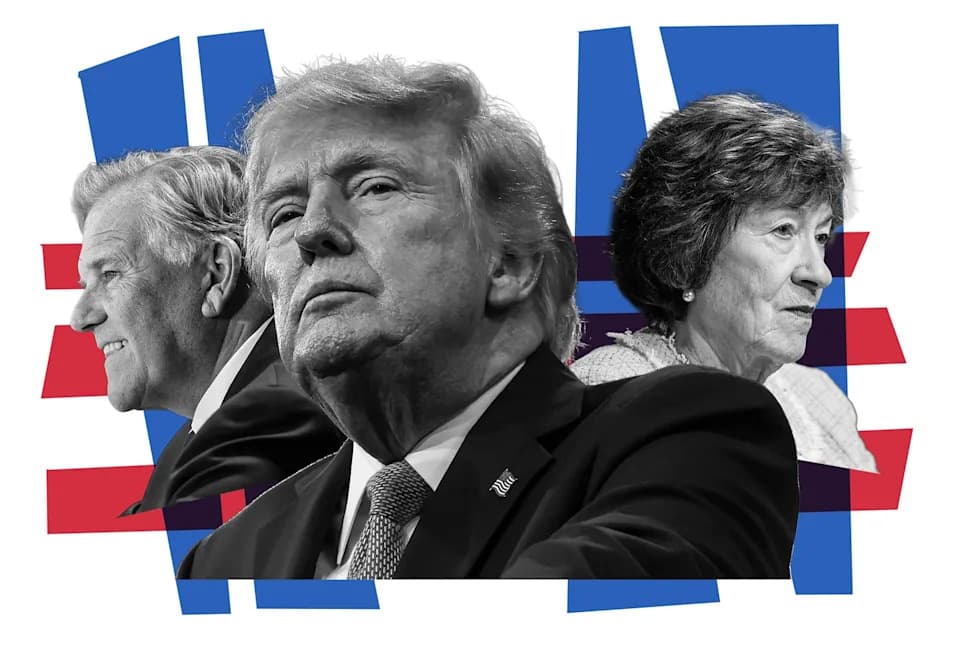
At the national level, Director of National Intelligence Tulsi Gabbard — who oversees the U.S. intelligence community — faced pointed questioning before the Senate Intelligence Committee over intelligence assessments tied to President Trump’s decision to launch military action against Iran. Senators pressed her on whether the intelligence community had concluded there was an 'imminent' nuclear threat from Iran; Gabbard repeatedly deferred to the president’s judgment on that designation.
Sen. Jon Ossoff pressed: ‘Was it the assessment of the intelligence community that there was an “imminent nuclear threat posed by the Iranian regime?”’ Gabbard replied that determining what constitutes an imminent threat is the president’s responsibility. Sen. Mark Warner also raised concerns that language in her written testimony — which described prior U.S. strikes as having 'obliterated' Iran’s enrichment program — was omitted when she read her prepared remarks.
CIA Director John Ratcliffe, who reports to the Office of the Director of National Intelligence, told the committee that Iran remains years away from missiles that could reach the U.S. He said Iran is developing intermediate-range capabilities, but neither he nor Gabbard included Iran among the small group of nations whose missiles can currently hit the United States. Gabbard suggested Iran 'could' develop long-range missile technology by 2035, rather than 'soon' as the president had warned.
Gabbard’s performance and her reluctance to answer directly about whether she had briefed the president on possible regional escalation prompted renewed questions about her leadership. The day before the hearing, National Counterterrorism Center Director Joe Kent resigned in protest over the administration’s decision to strike Iran — the most visible senior-level break so far over the war.
Other Notable Developments
• The Federal Reserve held interest rates steady amid economic disruption from the Iran conflict and rising oil prices; Fed Chair Jerome Powell said he intends to remain in office while a Justice Department inquiry is ongoing.
• In Texas, the Republican Senate runoff will proceed after the deadline to withdraw passed, with former President Trump weighing support between Sen. John Cornyn and Attorney General Ken Paxton; Dallas County GOP will revert to a countywide voting system for the runoff.
• Election-integrity programs favored by conservative activists are pitching new initiatives to state officials, keeping scrutiny of voter-fraud efforts in the headlines.
• In Washington, Sen. Markwayne Mullin faced a contentious confirmation hearing to lead the Department of Homeland Security, drawing resistance from some Republicans on the committee.
• Reporter Jonathan Allen spoke with voters in a Pennsylvania swing district about Trump, gas prices and the Iran war — a reminder of how national security events are reverberating with everyday voters.
This edition was compiled by Adam Wollner and Owen Auston-Babcock. Send feedback to [email protected]. This article originally appeared on NBCNews.com.
Help us improve.