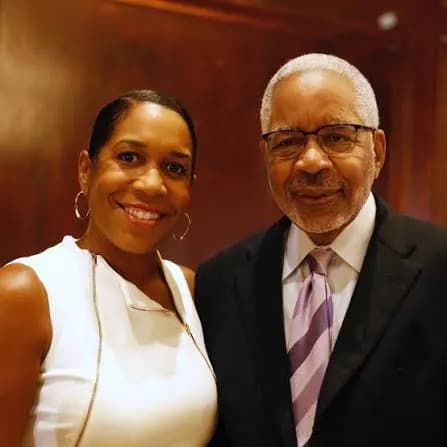
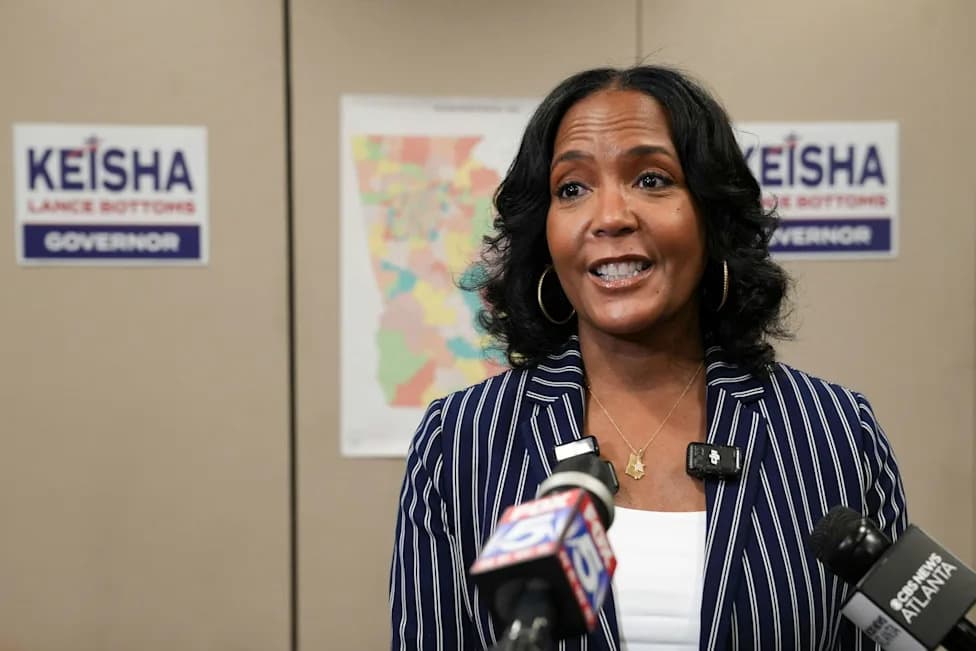
On the Sept. 18, 2026 episode of The Excerpt, USA TODAY senior reporter Jay Stahl profiles Illinois Lt. Gov. Juliana Stratton and how her bid for the U.S. Senate is shaped by family history and political strategy. Stahl highlights her father Henry W. Wiggins Jr.'s experience with segregation, Stratton's positioning relative to Sen. Dick Durbin and Chuck Schumer, and the campaign's policy focus on maternal health, education and healthcare. If elected, Stratton could be part of the first cohort of three Black women serving together in the Senate.
If Juliana Stratton Wins, She Could Make Senate History — A Campaign Shaped by Family and Policy
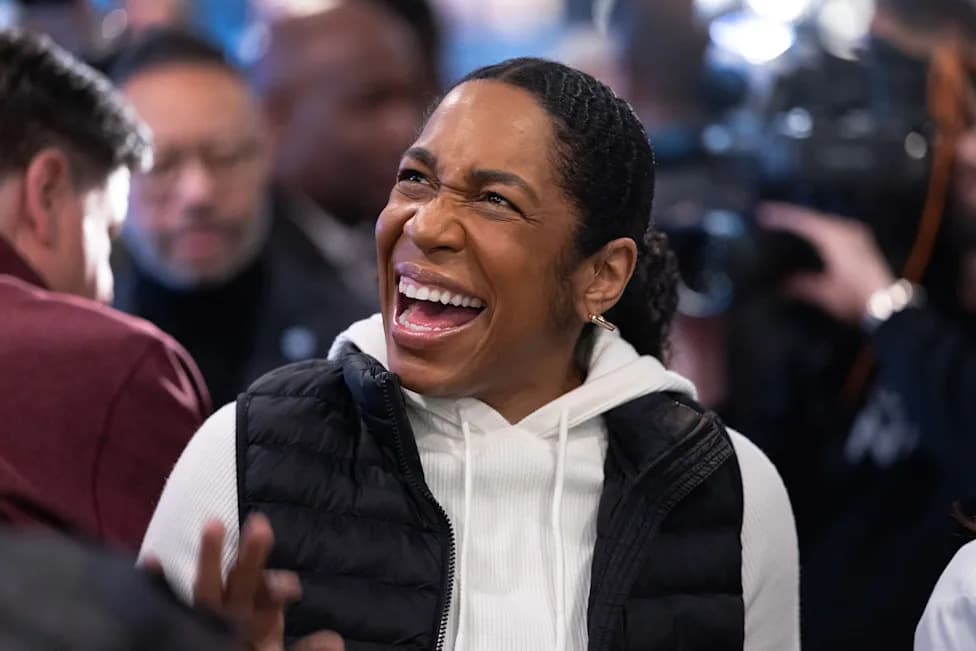
If Juliana Stratton wins, the Senate makes history | The Excerpt
On the Friday, Sept. 18, 2026, episode of USA TODAY's podcast The Excerpt, senior reporter Jay Stahl explores how Illinois Lieutenant Governor Juliana Stratton's U.S. Senate bid is driven by both history and a deeply personal family story. Stahl traces how her father's experiences with segregation and his recent death inform her candidacy as she vies to succeed Sen. Dick Durbin.
From Chicago's South Side to a Senate Campaign
Stahl says he began the piece as a profile, intrigued by the race dynamics in Illinois. Stratton, who grew up on Chicago's South Side, ran in a competitive Democratic primary that included two sitting members of the U.S. House: Rep. Robin Kelly and Rep. Raja Krishnamoorthi. Although Stratton positioned herself to the left and served as lieutenant governor, she struggled to break out in early polling before surging late in the race.
A Family Story at the Heart of the Campaign
A central through line in Stahl's reporting connects Stratton to her father, Henry W. Wiggins Jr. Stratton recounted that Wiggins grew up in Clearfield, Pennsylvania, and as a high school student was unable to participate in a school trip to Washington, D.C., because segregation would have prevented him from dining or lodging alongside his classmates. Stahl emphasizes that this is her father’s experience — not a distant ancestor — and that Wiggins died last year, so he would not see her potential election.
How Stratton Compares to Durbin and Senate Leadership
The episode discusses how Stratton positions herself relative to Senator Dick Durbin, a longtime Illinois senator and senior Democrat. On the campaign trail, Stratton pledged she would not back Sen. Chuck Schumer for Democratic leader if he sought that position again, signaling a willingness to distance herself from certain Senate leadership choices and define her own approach.
Historic Implications
Stahl and Taylor place Stratton’s campaign within Illinois’s political history, recalling figures such as Carol Moseley Braun — the first Black woman elected to the Senate — and Barack Obama, who represented Illinois before becoming president. If Stratton wins, Stahl notes, the Senate would see an unprecedented moment: three Black women serving concurrently, joining senators such as Angela Alsobrooks of Maryland and Lisa Blunt Rochester of Delaware.
Policy Priorities and Bipartisan Opportunity
Experts Stahl consulted expect that, together, these senators would emphasize healthcare, education and maternal health — an issue with particular urgency for Black women, who face higher maternal morbidity and mortality. Stahl cites a scholar from Washington University in St. Louis who observed that Black women lawmakers often address race and gender in an intersectional way, bringing distinct perspectives to policy debates. Maternal health also offers potential bipartisan common ground, with lawmakers from both parties showing interest.
Political Context and Endorsements
Stahl notes that observers read the race as an informal test of Illinois Gov. J.B. Pritzker’s influence, since Stratton benefited from his endorsement. Her stronger-than-expected finish late in the primary was interpreted as a positive sign for the governor’s political clout heading into future contests.
Personal Resonance
Beyond policy and politics, Stahl reflects on the human elements of the story: the loss of a parent and the guidance provided by family. Stratton credits both of her parents — her mother, Velma, a Chicago Public Schools teacher, among them — for shaping her values and public service ethos.
Listen: The full conversation appeared on USA TODAY's The Excerpt podcast. For feedback, listeners were invited to contact [email protected].
Help us improve.